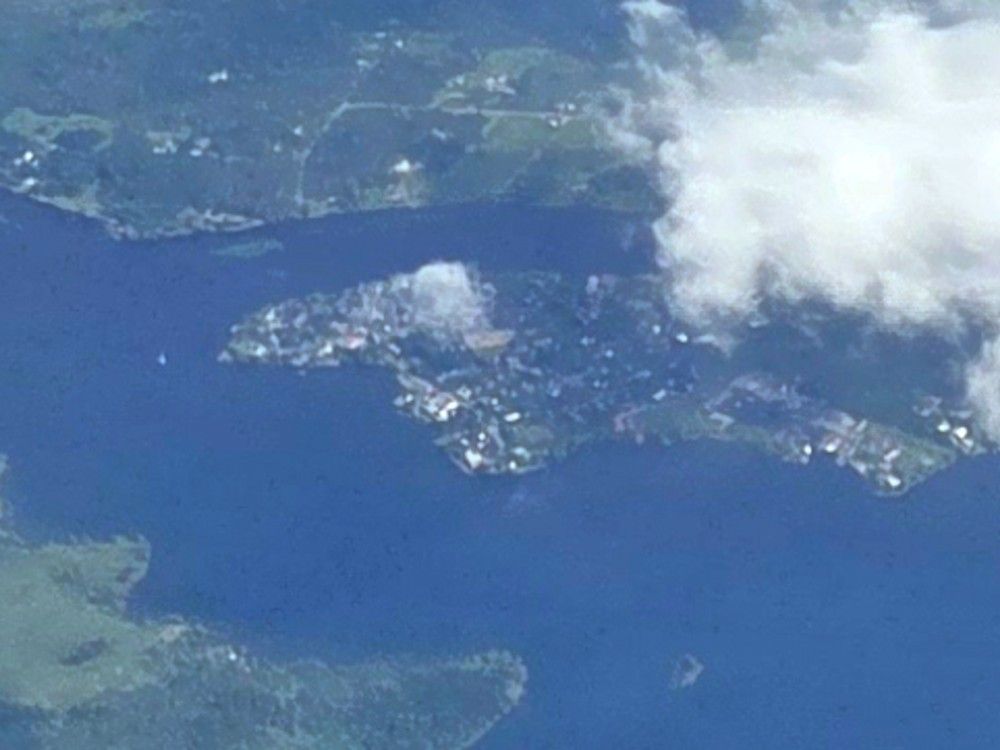
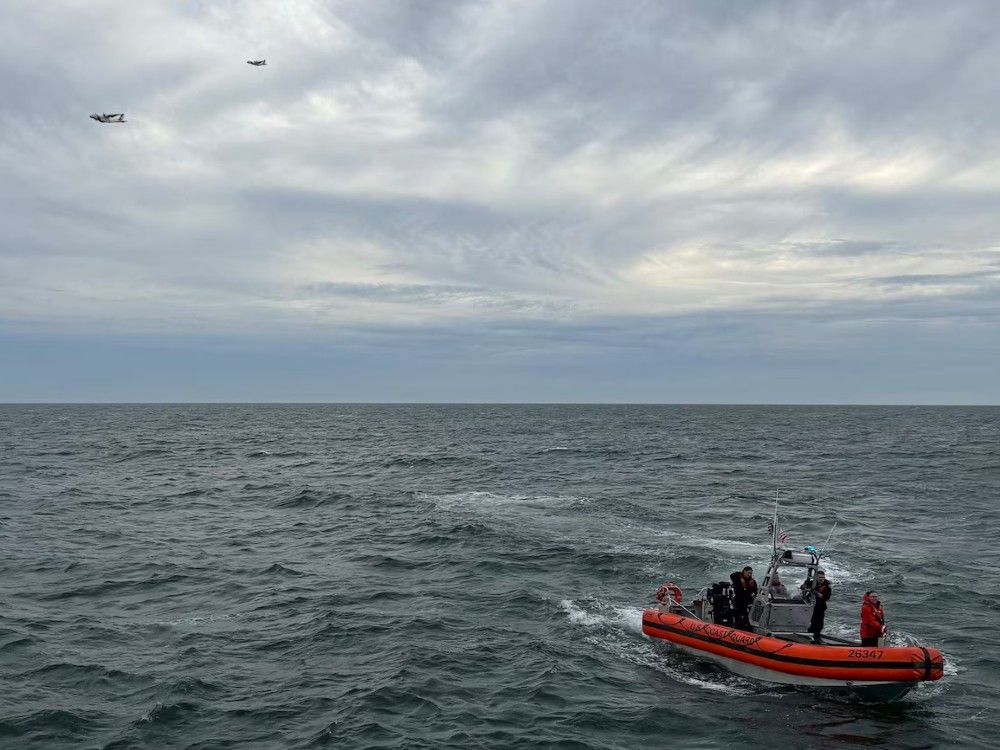
After U.S. Customs and Border Protection was granted a temporary exemption allowing armed officers to move through Canadian waters, the leader of the First Nation whose territory abuts the Canada-U.S. border in the St. Lawrence River has served notice that they are “taking back” the waters.
asserted
they → grant → waters
“We’re not going to be asking permission,” Mohawk Council of Akwesasne (MCA) Grand Chief Leonard Lazore told National Post in an interview, noting work was underway to establish an internal framework and invest in the technology for the local police to protect the waters in partnership with the other Canadian and U.S. authorities.
asserted
police → go → authorities
“We’re taking over our waters.
asserted
We → take → waters
If we need any help, we’ll contact you.
asserted
we → need → you
But until then, we have authority in here.”
asserted
we → have → authority
In an email to National Post, a Public Safety Canada spokesperson said the temporary ministerial Firearms Act Exemption Order issued on Sept. 16 “will support the safe and effective management of a geographically and jurisdictionally complex border area while maintaining Canada’s commitment to strong border security and public safety.”
asserted
Order → say → security
They stressed that it does not authorize the U.S. officers to act as law enforcement in Canadian waters.
asserted
it → stress → waters
It does allow CBP officers “carrying firearms, which are to remain secured and covered,” to traverse approximately 2.8 kilometres of the St. Lawrence on the Canadian side of the border west of Kana:takon (St. Regis Village, Que.) to “the mouth of the St. Regis River for the sole purpose of reaching the U.S. portion” of the waterway in upstate New York, according to the PSC spokesperson.
uncertain
which → allow → spokesperson
While the waterway extends well into the state, Lazore said only the first couple of kilometres are deep enough and wide enough to be navigable by boat.
asserted
couple → extend → boat
MCA consists of three northern districts — Kawehnò:ke (Cornwall Island, Ont.), Tsi Snaihne (The Snye) in southern Quebec, and Kana:takon, a Canadian exclave bisected by the border.
asserted
MCA → consist → border
It’s part of the St. Regis Mohawk Reservation on the U.S. side.
asserted
It → ’ → side
The order requires CBP to notify Canadian officials in writing two hours before the transit and stay within a “safe transit corridor defined by Canada, and at applicable speed limits.”
asserted
order → require → limits
The spokesperson said these conditions “go well beyond those associated with standard U.S. transit arrangements elsewhere along” the border, noting 70 existing exemption orders that allow U.S. officers to travel over Canadian land or through waterways to reach U.S. land and execute their duties.
asserted
officers → say → duties
PSC failed to provide a list of where those orders exist along the border, as requested.
asserted
orders → fail → border
Canadian law enforcement has “similar arrangements with the U.S.,” they explained.
asserted
they → have → U.S.
“This interim approach is tailored to the specific circumstances of Akwesasne and should not be viewed as a broader change to border-management practices elsewhere along the Canada-U.S. border,” the official wrote.
asserted
official → tailor → border
The exemption began Oct. 1 and is due to expire on Dec. 31, which the spokesperson said “provides additional time for continued discussions with Indigenous partners throughout the winter.”
asserted
spokesperson → begin → winter
A CBP spokesperson wouldn’t divulge any details about their operations this fall, but said the ministerial order “underscores the advances the United States and Canada are making to further safety and security.”
asserted
States → divulge → safety
Lazore alleged that community residents have reported that U.S. Coast Guard and border agents have long used the water to access the American side, but said both agencies deny the claim when challenged.
uncertain
agencies → allege → claim
“They transit through all hours of the night,” he insisted.
asserted
he → transit → night
“They’re not authorized to do it, but they do.”
asserted
they → authorize → it
According to the House of Commons, while Canada has no legal requirement to obtain First Nations permission for government transit through shared waterways, the Navigable Waters Act requires the minister “to consider any adverse effects that decisions made under the Act may have on the rights of Indigenous Peoples.”
uncertain
decisions → accord → Peoples
Lazore said the MCA and its members feel differently because they don’t consider themselves Canadian or U.S. citizens.
asserted
themselves → say → ?
“We are citizens of our own nation,” he said, noting they’ve never relinquished that belief, even as Canada and the U.S. have been “trying to strip that away” through legislation and policies.
asserted
Canada → say → legislation
Lazore said the MCA wants the federal government to treat it like an equitable partner, not a patsy in conversation about tackling illegal entry, the trafficking of drugs, guns and people, and other border issues that have come to the fore as Canada and the U.S. have stepped up enforcement and patrols.
asserted
Canada → say → enforcement
“The way we’ve seen it is Canada and the United States are not doing a good job,” he said.
asserted
he → see → job
He also accused Public Safety Minister Gary Anandasangaree of folding “like a cheap Wal-Mart lawn chair” to the U.S. request at a time when Canada and the U.S. are at odds over a variety of issues.
“Then (he) turns around, throws us under the bus, allows border patrol in here, and when you give them an inch, they’re going to take a mile.”
Lazore said their situation should be a warning to other Canadians that “Canada just allowed Trump and his goons in our waters, in our territory, and you could be next.”
PSC consulted with MCA leadership multiple times since the exemption request was first announced in 2025, but the Indigenous group feels it was not engaged in “meaningful consultations … about decisions affecting the territory and its waterways.”
uncertain
it → accuse → territory
MCA said it had put forth “Akwesasne-led alternatives that would strengthen local policing and requested additional time, until March 31, 2027, to undertake broader community engagement before any decision was made.”
asserted
decision → say → engagement
A boat-based protest against armed U.S. Customs and Border Protection officers travelling through Canadian waters within a First Nations territory took place the day the order went into effect.
asserted
order → base → effect
The “peaceful” protest was not “organized, sponsored, or sanctioned” by the MCA, it said in a statement this week, but AMPS officers were dispatched to monitor.
asserted
officers → organize → statement
Organizer Tom Thomas, one of four Kawehnò:ke chiefs on the MCA, said community members took to the water to show support for the Akwesasne Mohawk Police Service (AMPS), the local police force he alleges Ottawa “has no faith in” to protect the waterways.
asserted
Ottawa → say → waterways
“We’re trying to help our AMPS, to let the Canadian government know that they can patrol our waters,” Thomas told National Post in an interview before the demonstration.
asserted
Thomas → try → demonstration
“We don’t need border patrol here.”
asserted
We → need → patrol
He later told National Post that the CBP did not show up that day, but has been seen since.
asserted
CBP → tell → Post
Thomas and Lazore expressed the same concern about U.S. vessels moving through waters where kids swim and ride sea-doos, where people young and old fish.
asserted
people → express → doos
Both also stressed that this is about sovereignty as much as it is safety.
asserted
it → stress → sovereignty
“They can spin it any way they want, but to me, it’s an invasion,” Thomas said.
asserted
Thomas → spin → me
“They have no business here.”
asserted
They → have → business
For his part, Thomas wonders what will happen to CBP weapons during a chase that begins on the St. Regis River and spills into Canadian waters in the St. Lawrence.
asserted
that → wonder → Lawrence
The 67-year-old fisherman also wonders about the machine guns he’s often seen bolted to the decks of border patrol and U.S. Coast Guard vessels he encounters on the water.
asserted
he → wonder → water
…and 4 more, not listed.
 The Aporia