5 things civil rights data says about public schools
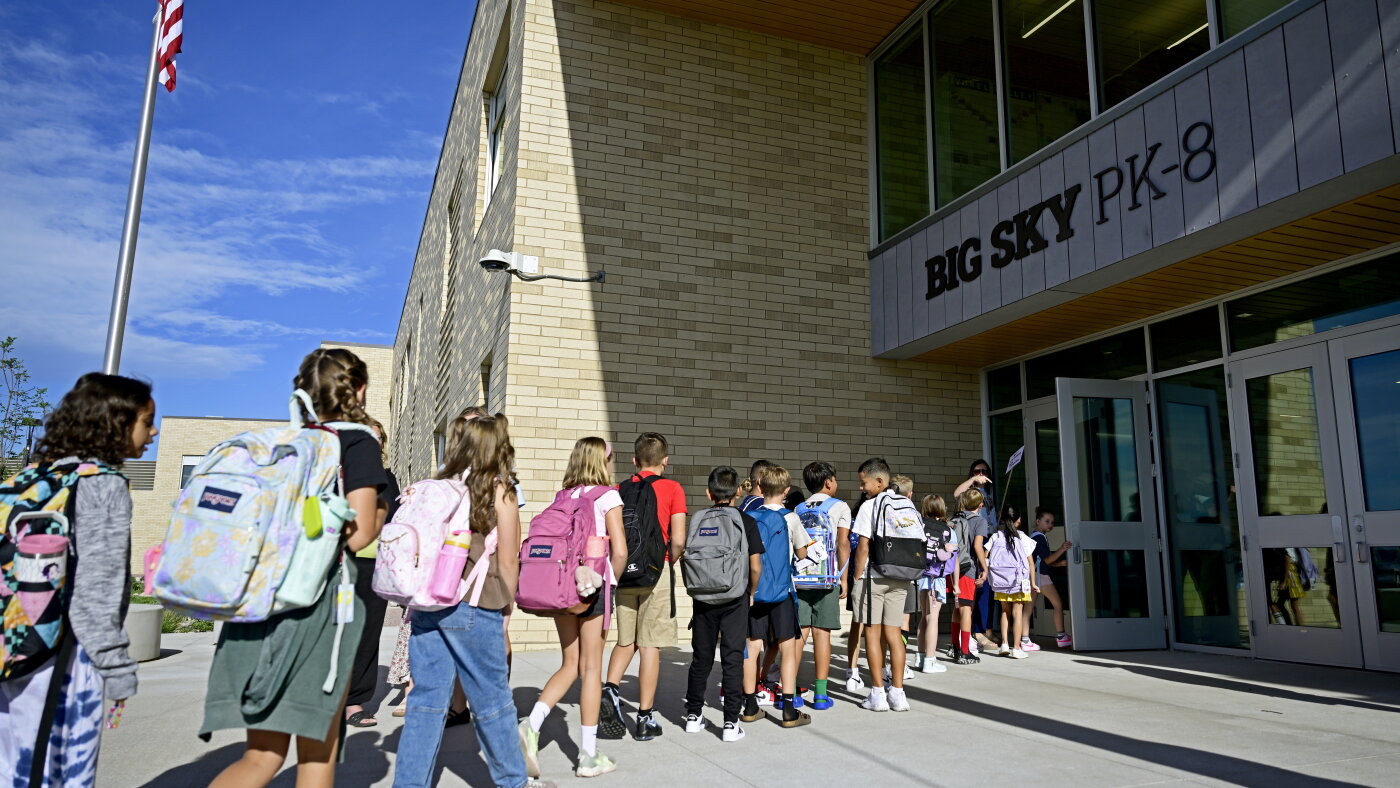
The number of kids in preschool rose in the 2023-24 school year, while those in K-12 public schools declined.
asserted
those → say → schools
The population of students with disabilities grew.
asserted
population → grow → disabilities
Black students were more likely to be suspended than students of other races.
asserted
students → suspend → races
All of this information comes from the latest Civil Rights Data Collection (CRDC): a federal survey that paints one of the most comprehensive pictures of how American students are being treated at school.
asserted
students → come → school
The federal government has been gathering this kind of information for over 50 years, partly to help the U.S. Education Department hold schools accountable for protecting student civil rights.
asserted
schools → gather → rights
The Trump administration published the latest CRDC from the 2023-24 school year six months later than promised.
asserted
administration → publish → year
When it finally did share the information on Aug. 31, collected from over 97,000 public schools, it was without a usual "First Look Report" that makes the information easier to understand for the public.
asserted
information → share → public
The findings are about 49.7 million public school students and include data on enrollment, harassment and the treatment of students with disabilities, among other things.
asserted
findings → include → things
But one group was left out: nonbinary students.
asserted
group → leave → ?
While data on nonbinary students was collected under the Biden administration, the Trump administration chose to withhold it from the public release.
asserted
administration → collect → release
Maithreyi Gopalan of the University of Oregon, who helps lead the research and policy group AdvancED Equity, and Dan Losen of the National Center for Youth Law, both independently analyzed the data and shared some of what they learned with NPR.
Here are five things they found striking:
1. Public school enrollment
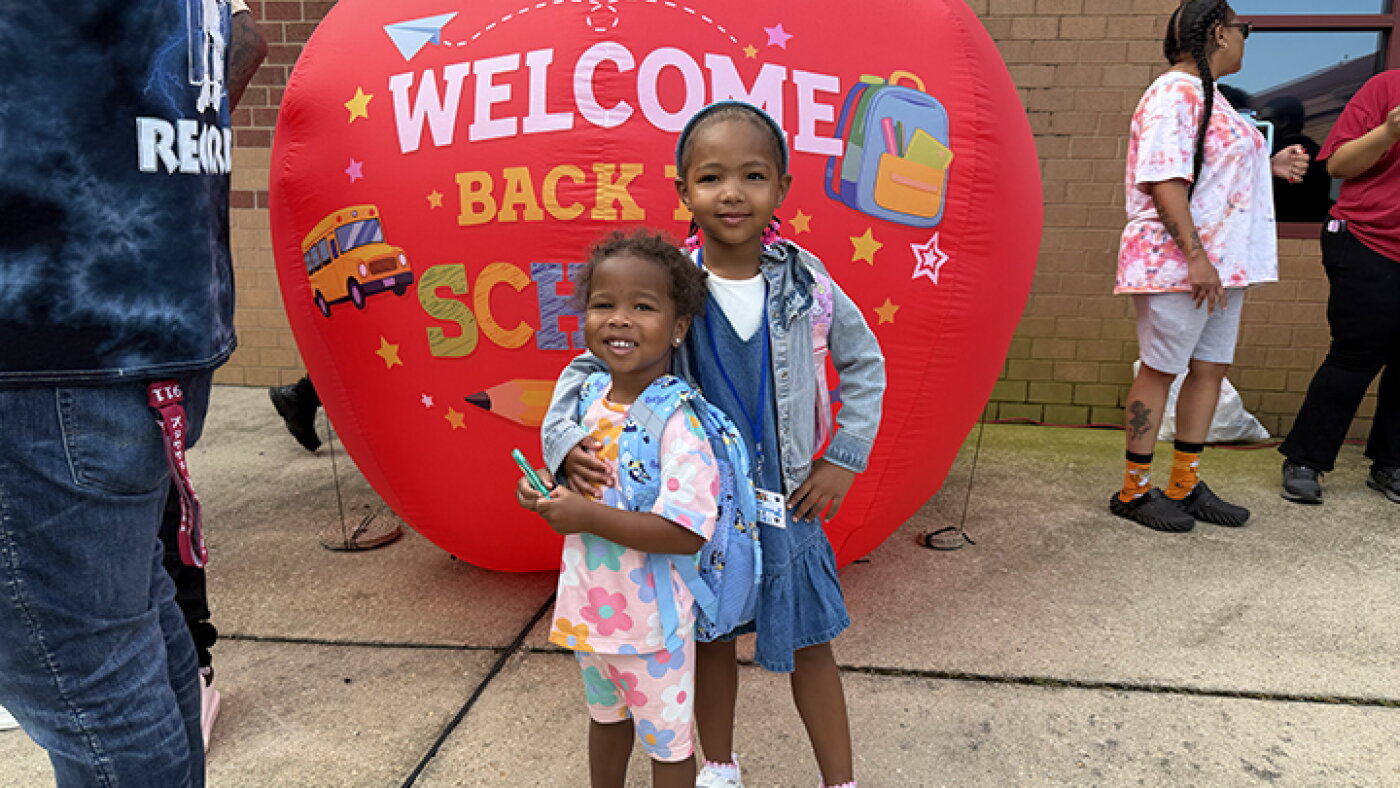
Some 1.5 million children were enrolled in public preschool programs — a 12% jump from the 2021-22 school year, but still slightly lower than 2019.
asserted
children → lead → 2019
"It's part recovery, part expansion," says Gopalan.
asserted
Gopalan → say → ?
By recovery, she means the number of preschoolers started rising again from a pandemic low.
asserted
number → mean → low
By expansion, Gopalan is referring to the fact that some states are investing more in early childhood education, which may account for some of the increases.
uncertain
which → refer → increases
According to the National Institute for Early Education Research, state-funded pre-K enrollment rose nearly 15% between 2021-22 and 2023-24.
uncertain
enrollment → accord → 2021
For example, in 2023-24, California was in its second year of expanding its universal transitional kindergarten (TK) program for 4-year-olds, and the state enrolled nearly 36,000 more children in preschool or TK than the year before.
asserted
state → expand → year
Colorado and New Mexico are among other states that are rapidly expanding preschool access.
asserted
that → expand → access
At the same time, K-12 enrollment fell almost 1% compared with the 2021-22 school year.
asserted
enrollment → fall → year
The decrease is consistent with other data and could have to do with declining birthrates and an increase in private school and homeschooled students in some states, Gopalan says.
uncertain
Gopalan → have → states
The number of students who were suspended increased across the board: 2.5 million students were punished with one or more out-of-school suspensions while 2.3 million students faced in-school suspensions in 2023-24.
asserted
students → suspend → 2023
That's up by about 100,000 students in each category compared with the last report from 2021-22.
asserted
That → compare → 2021
Notably, nearly 7 out of 10 public schools reported an increase in students seeking mental health services since the start of the COVID-19 pandemic, according to other federal data.
uncertain
schools → report → data
While the increase in suspensions may seem modest, Losen says it shows that the pattern of keeping children out of school as punishment is still widespread in America's public schools.
uncertain
pattern → seem → schools
His research shows that most districts suspend students for what he calls minor offenses rather than unsafe behavior.
asserted
he → show → behavior
"It could be truancy, it could be repeated tardiness, dress code violations."
uncertain
it → repeat → ?
Those missed days of school mean missed days of learning: Losen's research shows that about a decade ago, students were losing out on 11 million days of school because of suspensions.
asserted
students → miss → suspensions
According to the latest CRDC, he says they missed over 14 million days in the 2023-24 school year.
uncertain
they → accord → year
"That lost instruction time matters more than people realize," he says.
asserted
he → lose → ?
"Even one out-of-school suspension greatly increases the risk of dropping out of a school or winding up in the juvenile justice system."
asserted
suspension → increase → system
Loading...
He adds that suspensions are often an ineffective way to change behavior and that there are more constructive ways to help students, including with emotional support and better training for teachers.
asserted
suspensions → load → teachers
Another persistent pattern with school discipline is who faces it: Losen says the latest data show that Black students lost over four times as many days of school compared to white peers because of out-of-school suspension.
3.
asserted
students → face → suspension
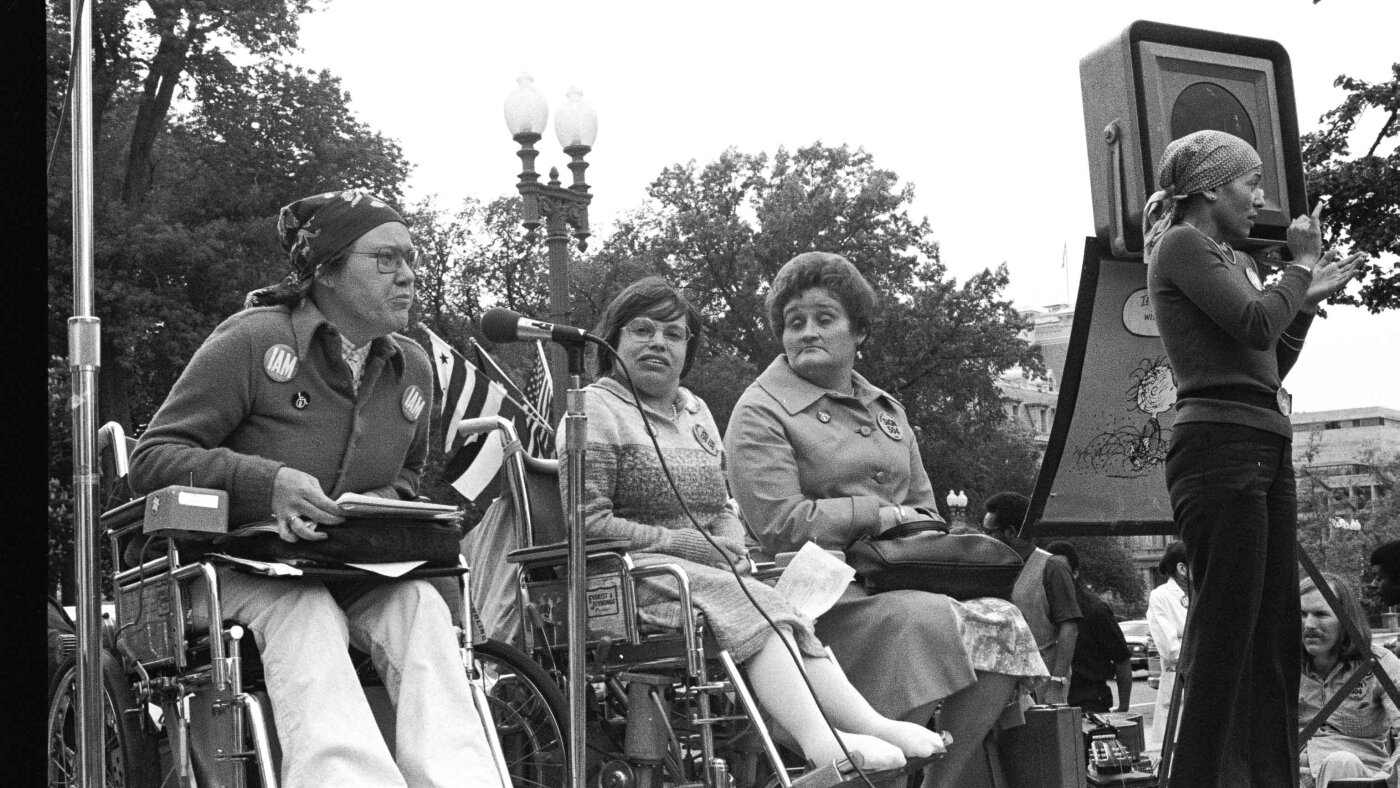
Students with disabilities
The CRDC reinforces what other national data shows: The population of students with disabilities is on the rise, and boys make up a much bigger share than girls — nearly two-thirds — of these students.
asserted
boys → reinforce → students
While the previous CRDC showed 17% of students had disabilities, the newest data show they made up 19% of all students enrolled in public schools.
asserted
they → show → schools
And they were suspended out of school at disproportionately high rates.
asserted
they → suspend → rates
Losen says the lost days of school for these students don't just mean they're missing learning, it also means they may be losing out on key services they get during school, such as mental health counseling or physical therapy.
uncertain
they → say → counseling
Disabled students are also among the least likely groups to be enrolled in Advanced Placement (AP) classes in high school.
asserted
students → enrol → school
Losen says that's a longstanding pattern, in part, because of assumptions that they can't achieve at high levels.
asserted
they → say → levels
AP classes might not be the right fit for some students with intellectual disabilities, he says, but many students have disabilities that have little to do with their academic potential.
uncertain
that → say → potential
And Gopalan says these classes don't just represent how much rigor students are exposed to.
asserted
students → say → rigor
And we see gaps in opportunity and access for students with disabilities."
asserted
we → see → disabilities
…and 18 more, not listed.
 The Aporia