That is 0 articles you have read today.
The Aporia is free and carries no advertising, so readers are the only
thing paying for it. If you are getting this much out of it, a small
donation is what keeps it independent.
Daily limit reached
You have read 0 articles today.
That is more than the 15 a day The Aporia gives away,
and well past what it can carry on nothing. Your allowance resets at
midnight.
There is no advertising here and nothing about you is sold, so readers
are the only thing paying for it. If the site is worth this much of
your day, it is worth a few dollars.
Everything else stays open: the
maps, the
directory and
search do
not count against this, and neither does re-opening something you have
already read today.
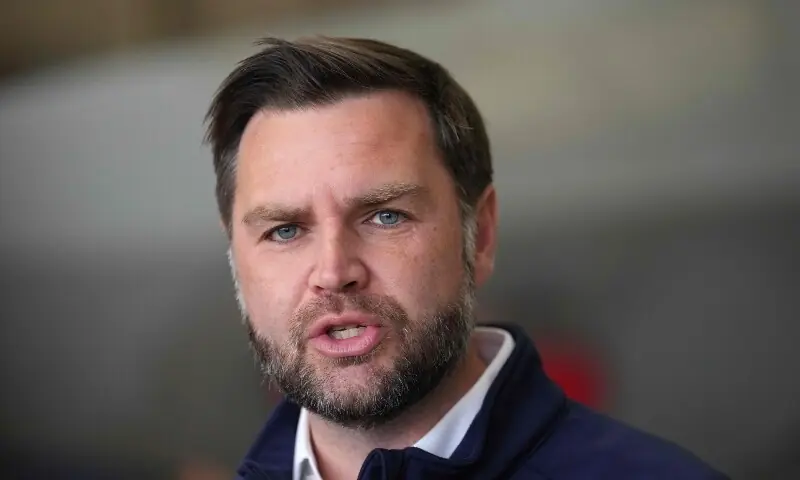
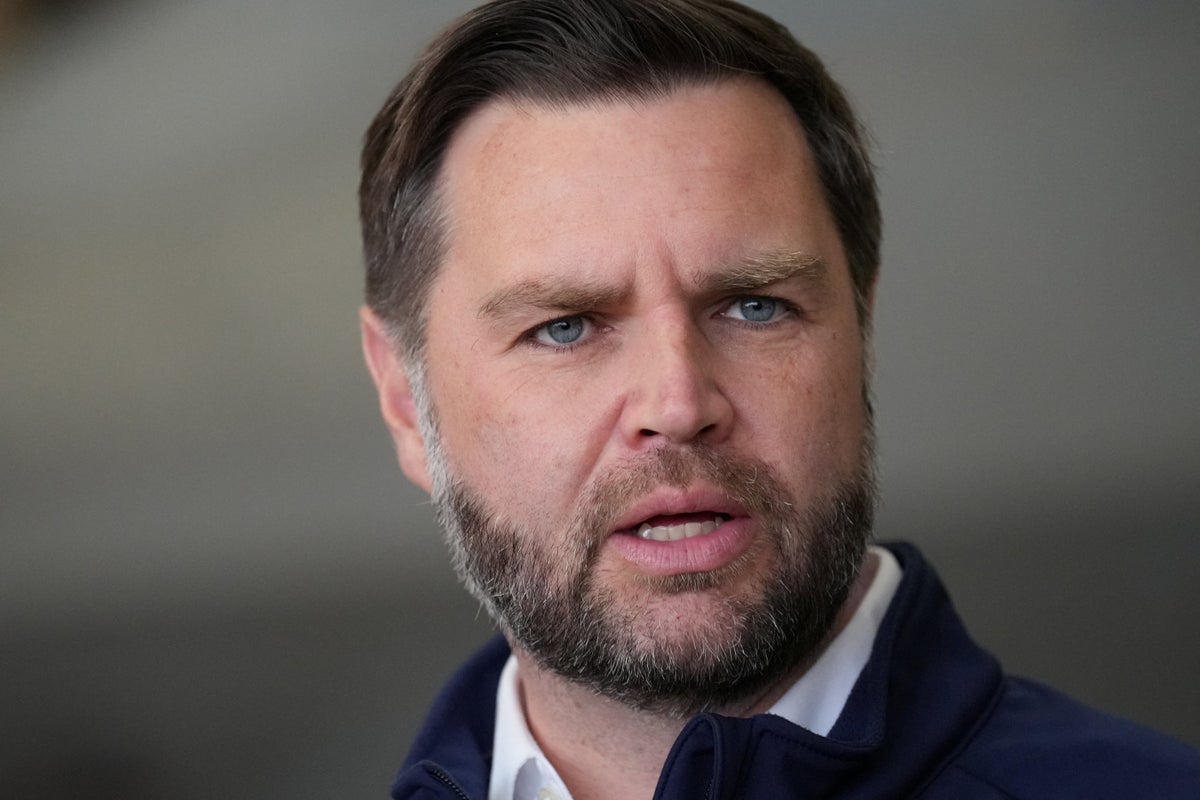
Vice President JD Vance is pressing Iran to reduce its nuclear enrichment capabilities as part of peace negotiations with the US during a seven-month war. Speaking to Reuters after a campaign stop in Alaska, Vance stated that Iran must take concrete steps rather than making promises about future actions regarding their nuclear program. He questioned Tehran’s leadership authority and stressed that talks are complicated by uncertainty following recent strikes led by the US-Israel alliance.
Written locally by qwen2.5:14b on 2026-10-07,
using this article's own text rather than the other coverage of the
same event (that is the story summary below).
Story summary
JD Vance, the US Vice President, stated in an interview with Reuters on October 6 while campaigning in Alaska, that Iran must make significant reductions in its nuclear enrichment capacity to end the seven-month-long conflict. This statement came after Washington rejected Tehran’s latest proposal and amid uncertainty about who is making decisions in Iran's government. The war has resulted in 18 American service members killed and over 800 wounded, costing taxpayers approximately $43.6 billion. Vance emphasized that if Iran does not want a nuclear weapon, it should stop producing highly enriched fuel. This stance highlights the growing political pressure on President Trump ahead of the November midterm elections due to the conflict's impact on global energy markets and American casualties.
Written for “Iran-US War Negotiations” on 2026-10-07,
grounded in this article and the 8 other(s) covering the same event.
Why this leaning score
The model judged this article politically coded and scored it +0.35, but all 3 of its quote(s) are attributed speech - words the article quotes from someone, not the article's own narration, so the score is not published.
Written under an earlier scoring contract, which gave a paragraph
rather than checkable quotes. Re-analysing this article replaces it.
Leaning score withheld for article 62096: attributed speech only · logged 2026-10-07
Vice President JD Vance says Iran must significantly reduce its nuclear enrichment capabilities to secure a peace deal with the US and end the seven-month war, while acknowledging Washington remains uncertain about who is calling the shots in Tehran.
asserted
who → say → Tehran
Vance, who has emerged as a key figure in efforts to end the conflict, told Reuters that any agreement must include concrete reductions in Iran’s enrichment capacity, not promises of future action.
asserted
agreement → emerge → action
“If you don’t want a nuclear weapon, then why do you need 60% enriched fuel?” Vance said following a campaign stop in Alaska on Monday.
asserted
Vance → want → Monday
“I think if they want to show a commitment to not building a nuclear weapon, they would do something meaningful on their enrichment capacity.”
asserted
they → think → capacity
The US and Iran have exchanged proposals in recent weeks aimed at ending the fighting and reopening the Strait of Hormuz, a crucial route for global energy shipments.
asserted
US → exchange → shipments
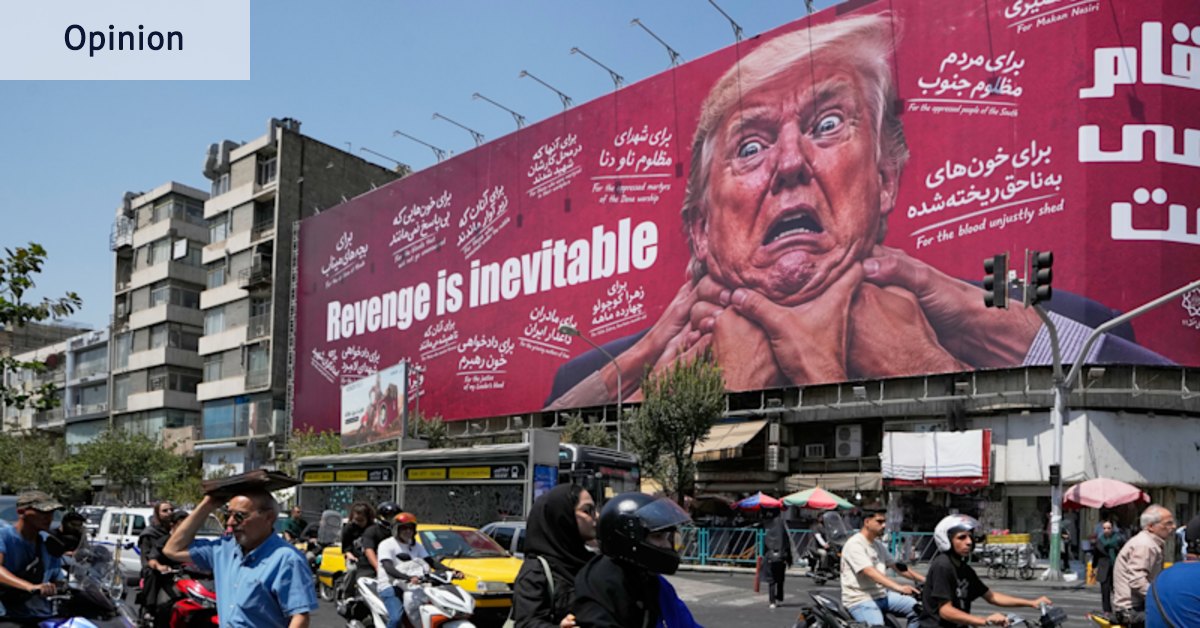
President Donald Trump rejected Tehran’s latest proposal and has warned that military operations could intensify after November’s midterm elections.
uncertain
operations → reject → elections
“We’re not going to trade words for actions,” Vance said.
asserted
Vance → go → actions
Vance said negotiations have been complicated by uncertainty over Iran’s leadership following the death of Supreme Leader Ayatollah Ali Khamenei in US-Israeli strikes at the start of the war.
asserted
negotiations → say → war
US officials have dealt with Iranian President Masoud Pezeshkian and Foreign Minister Abbas Araqchi, but Vance questioned how much authority they wield.
asserted
they → deal → authority
“One of the things we picked up on is it’s not totally clear how their country makes decisions,” he said.
asserted
he → pick → decisions
Trump made a similar claim Tuesday, saying it was unclear who was running Iran.
uncertain
who → make → Iran
Iran has rejected that characterization.
asserted
Iran → reject → characterization
Foreign Ministry spokesperson Esmaeil Baghaei said Sunday that US officials understand Iran’s system of government and blamed Washington for “contradictory positions and mixed messaging.”
asserted
officials → say → positions
Vance said he has also spoken directly with US military commanders and played down concerns about depleted ammunition stocks.
asserted
he → say → stocks
He said Iranian forces have occasionally succeeded in striking commercial vessels in the Strait of Hormuz but have failed to stop energy shipments through the waterway.
asserted
forces → say → waterway
Asked whether he was acting as the administration’s chief peace negotiator, Vance said: “We’re certainly involved.
asserted
We → ask → negotiator
Ultimately, the president of the United States is driving things.”
asserted
president → drive → things
The war, which is costing about $3 billion a month, has become an increasingly significant political issue ahead of the midterms as higher fuel prices put pressure on Trump and Republicans.
asserted
prices → cost → Trump
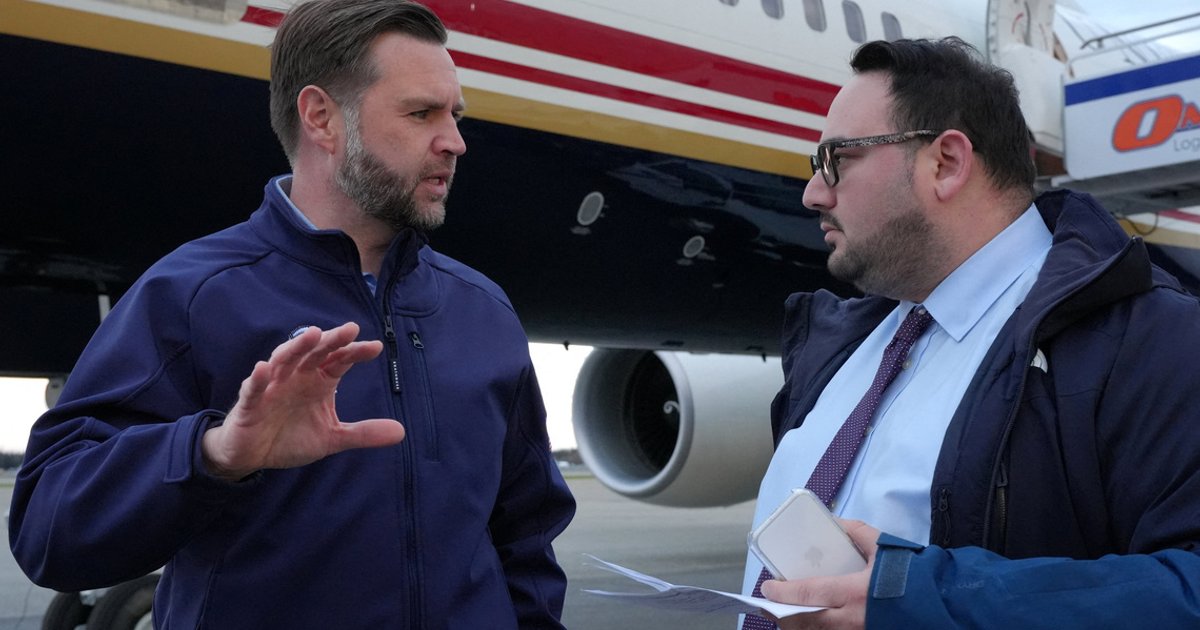
Vance was in Alaska campaigning with Republican Sen. Dan Sullivan, who faces Democrat Mary Peltola in November.
asserted
who → campaign → November
Asked separately whether he could run for president in 2028, Vance said he had not decided.
uncertain
he → ask → 2028
“I’m inherently a procrastinator,” he said.
asserted
he → ’m → ?
“I really haven’t thought about it much.”
asserted
I → think → it
US unsure who is calling the shots in Iran
asserted
who → call → Iran
 The Aporia