The Aporia
The Aporia
The Aporia
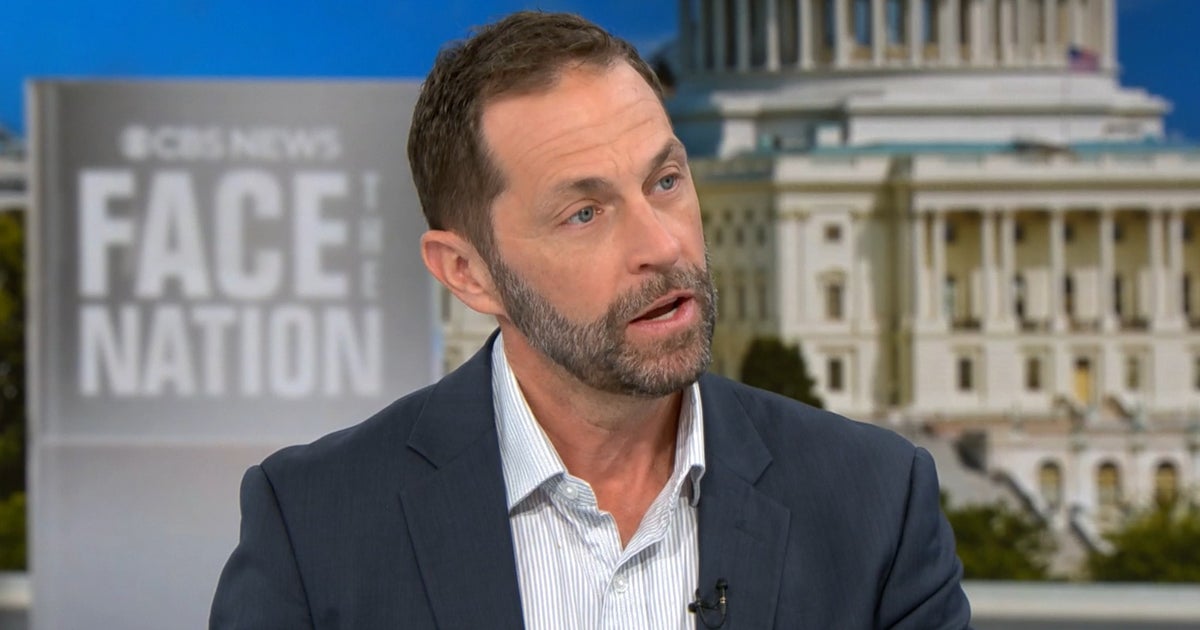
Rep. Jason Crow says Congress hasn't been briefed on Hegseth leak investigation. (2026, September 6). CBS News. https://www.cbsnews.com/video/rep-jason-crow-says-congress-hasnt-been-briefed-on-hegseth-leak-investigation/
“Rep. Jason Crow says Congress hasn't been briefed on Hegseth leak investigation.” CBS News, 6 Sept. 2026, https://www.cbsnews.com/video/rep-jason-crow-says-congress-hasnt-been-briefed-on-hegseth-leak-investigation/.
“Rep. Jason Crow says Congress hasn't been briefed on Hegseth leak investigation.” CBS News, September 6, 2026. https://www.cbsnews.com/video/rep-jason-crow-says-congress-hasnt-been-briefed-on-hegseth-leak-investigation/.
Dated when The Aporia collected the article, usually within hours of publication. Check the original for its exact date and byline.
*Max Miller*, a Republican congressman from Ohio, is facing allegations of abuse after his ex-wife, Emily Moreno, asked for a restraining order against him in court on July 30. Despite these allegations, the House GOP conference chair, Lisa McClain, said she would support Miller's reelection bid because "I will support anyone with an R behind their name." This decision has sparked controversy within the Republican party, as several prominent Republicans have declined to support Miller.
This situation is particularly notable given that *Max Miller* has been a strong supporter of President Trump and has benefited from Republican politics' emphasis on "toughness" and mocking liberals. The allegations against Miller raise questions about whether the Republican party will prioritize loyalty to their members over allegations of abuse.