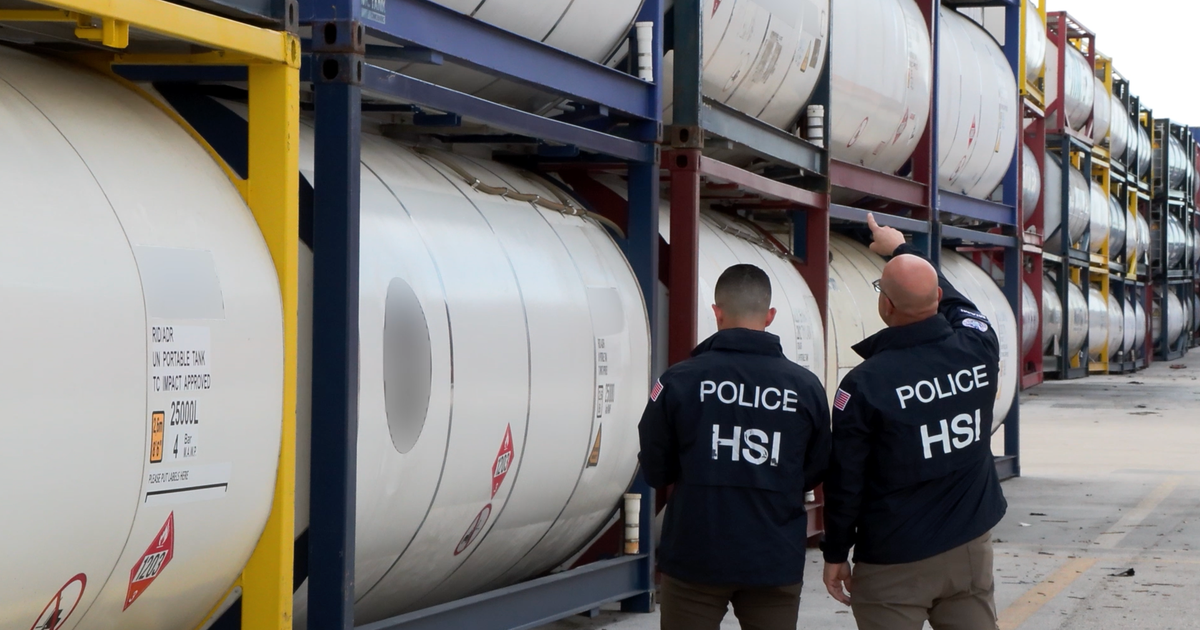
It has been nearly nine months since the U.S. President Donald Trump signed an executive order threatening tariffs on any country that supplies Cuba with oil, and the U.S. Coast Guard began intercepting tankers and ships bound for the island.
asserted
Guard → sign → island
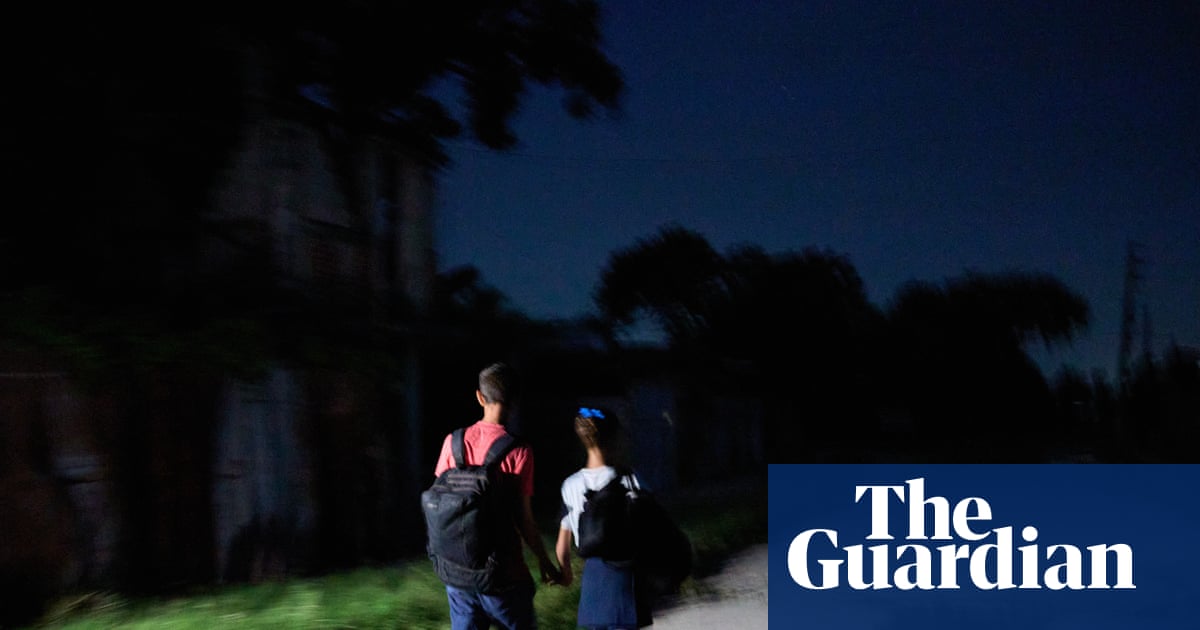
Power cuts in Cuba have since become very common, often lasting beyond 12 hours a day and even close to 20 hours in some provinces.
asserted
cuts → become → provinces
Independent UN human rights experts condemned these actions, calling them “energy starvation” and an “unlawful blockade” of the island country, as the Office of the High Commissioner for Human Rights reported.
asserted
Office → condemn → Rights
In July 2026, the UN General Assembly voted 136-9 (with 30 abstentions) to debate the blockade despite U.S. objections.
asserted
Assembly → vote → objections
Mr. Trump, meanwhile, has threatened a takeover of the island nation — a threat that is unlawful according to the UN Charter, which prohibits “the threat or use of force” against a country’s political independence.
uncertain
which → threaten → independence
The new blockade is over and above a 64-year-old embargo by the U.S.
Embargo or blockade?
Following the 1959 Cuban revolution, the Cuban government led by Fidel Castro nationalised U.S.-owned property in 1959-60.
asserted
government → follow → 1959
The U.S. responded, imposing a partial “embargo” on Cuban trade in October 1960 and making it full-fledged in 1962.
asserted
it → respond → 1962
Cuba terms the measures el bloqueo, or a blockade, as it goes beyond mere bilateral trade and is exemplified by further measures taken by the U.S. on Cuban foreign trade.
asserted
it → term → trade
The Cuban Democracy Act of 1992 barred foreign subsidiaries of U.S. firms from trading in Cuba, and the Helms-Burton Act of 1996 wrote the embargo into law, so that only the U.S. Congress can lift it.
asserted
Congress → bar → it
It also allowed lawsuits against foreign firms using property in Cuba that was confiscated from the Americans.
asserted
that → allow → Americans
After coming to power, Mr. Trump expanded further on these punitive measures by bringing Cuba back on the State Sponsors of Terrorism list (without any justification after it was briefly removed by the outgoing Biden administration in January 2025).
asserted
it → come → January
This has meant that banks find it difficult to deal with Cuban entities.
asserted
it → mean → entities
In May, the Trump administration imposed secondary sanctions on foreign firms dealing with the Cuban state and its military conglomerate, GAESA.
uncertain
administration → impose → state
It has also indicted former Cuban President Raul Castro on problematic charges, besides the January 29 order, which declared a national emergency and authorised extra duties on goods from any country that sells or provides oil to Cuba.
asserted
that → indict → Cuba
Year after year in the UN General Assembly, since 1992, there has been near-unanimous demand to end the “embargo”, but the resolutions are not binding, and this has allowed the U.S. to continue it.
asserted
U.S. → end → it
Havana claims that the cumulative damage of the embargo has been to the tune of $178.7 billion and $8.08 billion in the year up to February 2026 itself, which includes just one month of the fuel blockade.
uncertain
which → claim → blockade
These costs are not just lost U.S. trade, but also the impact on Cuba’s overall trade because of what the embargo imposes.
asserted
embargo → lose → what
For example, ships docking in Cuba are barred from U.S. ports for 180 days, which has led to increased freight costs.
asserted
which → dock → costs
With the U.S. imposing financial sanctions, banks refuse Cuban payments, and imports of medical equipment and machinery have also been affected.
Has this hostility against Cuba always been the case?
asserted
hostility → impose → Cuba
U.S. policy towards Cuba has been motivated largely by the lobbying efforts of Cuban exiles based in Miami, Florida, who fled the island following the Revolution.
asserted
who → motivate → Revolution
These hardliners include those born to Cuban-immigrant parents, such as current Secretary of State Marco Rubio, who have sought the collapse of the communist system in Cuba.
asserted
who → include → Cuba
They have also strongly backed the Trump administration’s actions, as making conditions that are “ripe for regime change”, according to the International Crisis Group.
uncertain
that → back → Group
The hostility against Cuba experienced a brief thaw during former President Barack Obama’s second tenure.
asserted
hostility → experience → tenure
In December 2014, he and Raul Castro announced a normalisation of ties, which led to embassies reopening, Cuba being taken off the terrorism list, and culminating in a visit to Havana by Mr Obama.
asserted
Cuba → announce → Obama
Travel and remittance rules were eased, but the embargo still stayed.
asserted
embargo → ease → ?
Mr. Trump reverted much of it during his first tenure before imposing stronger restrictions in his second tenure, which intensified after U.S. forces attacked Venezuela and abducted its president, Nicolas Maduro and took control over the Latin American country’s fuel and energy resources since then.
asserted
forces → revert → resources
Following the collapse of the Soviet Union, which affected the Cuban economy severely, leading to what was called a “special period”, Fidel Castro and Hugo Chavez signed an “oil-for-services” agreement in 2000.
asserted
Castro → follow → 2000
This led to the Barrio Adentro health missions (neighbourhood medical services) provided by Cuban doctors in Venezuela.
asserted
This → lead → Venezuela
Some 40,000 Cuban doctors, teachers and other professionals worked in Venezuela, while the country supplied about 1,00,000 barrels of oil a day on relatively easy terms.
asserted
country → work → terms
Cuba also resold some of the oil for hard currency, according to U.S. officials, to mitigate the impact of the U.S. financial sanctions.
uncertain
Cuba → resold → sanctions
Meanwhile, mismanagement of the state oil company PDVSA, the 2014 crash in oil prices and later U.S. sanctions cut Venezuela’s oil output to a third by the late 2010s, leading to lowered shipments to Cuba.
asserted
mismanagement → cut → Cuba
The imports met, by late 2025, only about a quarter of Cuban demand for oil and about a third of its oil imports.
asserted
imports → meet → imports
In January 2026, that came to naught too after the U.S. took control of Venezuela’s oil sector.
asserted
U.S. → come → sector
Mexico, which had supplied about 44% of Cuba’s oil imports, then suspended deliveries.
asserted
which → supply → deliveries
Russia has not been able to step up and fill in the gap either, with just sporadic ships managing to deliver supplies to Cuba since the naval blockade.
asserted
ships → step → blockade
The International Crisis Group lists “severe disruption to transportation, food distribution, health care, water systems and communications” in the country.
asserted
Group → list → country
On May 7, three UN Special Rapporteurs said fuel scarcity was keeping people from hospitals and children from school.
uncertain
scarcity → say → school
They cited a backlog of more than 96,000 surgeries, 11,000 of them for children, and delays in infant immunisation.
asserted
They → cite → immunisation
The scale of the impact is shown in satellite imagery data.
asserted
scale → show → data
An index of night-time light intensity built from NASA satellite data, a proxy for electricity use, fell from about 10–12 in 2021–25 to around six by mid-2026.
asserted
index → build → mid-2026
…and 17 more, not listed.
 The Aporia