Ukraine's top sanctions official, Vladyslav Vlasiuk, claims that Russia received over 176,000 tonnes of petroleum products from South Korea in July and August, which comprised 31% of Russian fuel imports in August. According to Vlasiuk, these shipments helped mitigate a fuel crisis caused by Ukrainian drone strikes on Russian oil refineries. This revelation has heightened tensions between Ukraine and South Korea, with the latter facing criticism for continuing to supply Russia despite sanctions.
Written locally by qwen2.5:14b on 2026-10-06,
using this article's own text rather than the other coverage of the
same event (that is the story summary below).
Story summary
In July and August, over 176,000 tonnes of fuel were shipped from South Korean ports to Russia via seven tankers, with three under EU and UK sanctions. This shipment accounted for about 31% of Russian fuel imports in August according to Ukraine's top sanctions official Vladyslav Vlasiuk. The shipments began as Ukrainian drone strikes on Russian oil refineries caused a fuel shortage within Russia. South Korea has been supporting Ukraine with humanitarian aid and non-lethal military supplies, but these recent actions risk straining relations between Seoul and Kyiv due to the secret transfer of two North Korean prisoners of war from Ukraine to South Korea.
Written for “Russian Oil Imports South KoreaExports” on 2026-10-07,
grounded in this article and the 1 other(s) covering the same event.
Why this leaning score
The model judged this article politically coded and scored it -0.65, but 1 quote(s) could not be found in the article and the other 2 are attributed speech rather than the article's own narration, so the score is not published.
Written under an earlier scoring contract, which gave a paragraph
rather than checkable quotes. Re-analysing this article replaces it.
Leaning score withheld for article 61352: no verified evidence · logged 2026-10-06
In short:
More than 176,000 tonnes of petroleum products were shipped from South Korea to Russia in July and August.
asserted
tonnes → ship → July
The supplies from South Korea made up 31 per cent of Russian fuel imports in August.
What's next?
asserted
What → make → August
Relations between South Korea and Ukraine are strained.
asserted
Relations → strain → Korea
Russia has imported fuel from South Korean ports, easing the impact of a fuel crisis caused by Ukrainian drone strikes on Russian oil refineries, Ukraine's top sanctions official says.
asserted
official → import → refineries
More than 176,000 tonnes of petroleum products from South Korean ports in July and August were imported by Russia, Ukraine's top sanctions official Vladyslav Vlasiuk said on Tuesday.
asserted
official → import → Tuesday
The supplies from South Korea made up 31 per cent of Russian fuel imports in August, according to Mr Vlasiuk, citing what he said were reports that tankers, including ones under Western sanctions, were used for the deliveries.
uncertain
tankers → make → deliveries
"These shipments began precisely when Ukrainian strikes on Russian oil refineries were reducing processing volumes and creating a fuel shortage within Russia," Mr Vlasiuk, presidential commissioner for Ukrainian sanctions policy, wrote on Facebook.
asserted
Vlasiuk → begin → Facebook
His comments come amid a diplomatic row between Seoul and Kyiv that erupted last month when President Volodymyr Zelenskyy announced the transfer of two North Korean prisoners of war to South Korea, a step that Seoul says was meant to stay secret.
asserted
Seoul → come → step
Ukraine has used long-range drones to attack Russian oil refineries and depots this year in what Kyiv has described as an effort to impose greater costs on its enemy, with no end in sight more than four years since Russia's full-scale invasion.
asserted
Kyiv → use → invasion
The strikes prompted Russia to impose a ban on diesel and gasoline exports, while restricting fuel purchases in some regions hit hard by the fuel crunch.
asserted
strikes → prompt → crunch
"In effect, imports from South Korea helped Russia offset the impact of losing its own refining capacity," Mr Vlasiuk said, citing "available data" and "reports" as sources in his post.
asserted
Vlasiuk → help → post
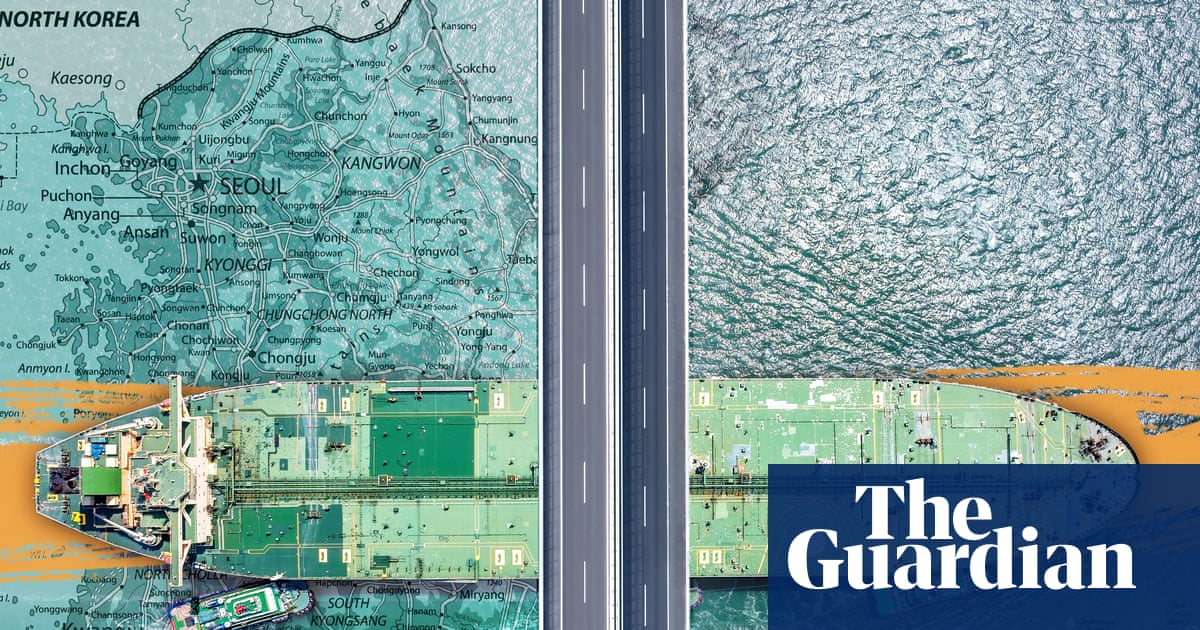
Earlier on Tuesday, the Guardian news agency reported that it had analysed port records and ship-tracking data, determining that the volumes were loaded at South Korean ports onto seven tankers, some of which are under UK and EU sanctions.
asserted
some → report → sanctions
Mr Vlasiuk provided the same figures as those in the Guardian.
asserted
Vlasiuk → provide → Guardian
"This stands in stark contrast to the sanctions policy South Korea adopted following the start of the full-scale invasion,"Mr Vlasiuk said.
asserted
Vlasiuk → stand → invasion,"Mr
In response to the Guardian article, South Korea's Foreign Ministry said "the Korean government supports and actively participates in global efforts to end the war in Ukraine and achieve peaceful recovery".
asserted
government → say → recovery
It said that its government was strictly enforcing export controls against Russia by expanding the scope beyond strategic items to include "non-strategic items … that carry a high risk of diversion for military use."
asserted
that → say → use
South Korean President Lee Jae Myung threatened unspecified measures against Ukraine on Friday unless Kyiv acknowledged a confidentiality agreement that Seoul says covered the transfer of two captured North Korean soldiers.
asserted
Seoul → threaten → soldiers
Seoul has said it wants an apology.
asserted
it → say → apology
Ukraine denies there was a confidentiality agreement, but its foreign minister has said that Kyiv wants to mend ties with South Korea.
Reuters
asserted
Kyiv → deny → Korea
 The Aporia