The article discusses recent high-level meetings between U.S. and Chinese leaders over the past six months, including summits in Beijing, Washington, Shenzhen, and Miami. Despite appearances of rapprochement, the core strategic competition between the two nations remains unchanged, with both sides continuing to vie for dominance in various spheres such as military, economy, technology, and ideology. The article suggests that while there is an effort towards managing this competition through regularized diplomatic channels like the Bessent-He mechanism, fundamental tensions persist.
Written locally by qwen2.5:14b on 2026-10-06,
using this article's own text rather than the other coverage of the
same event (that is the story summary below).
The world, understandably, has been watching carefully the unfolding summitry between the United States and Chinese Presidents over the last several months.
asserted
world → watch → months
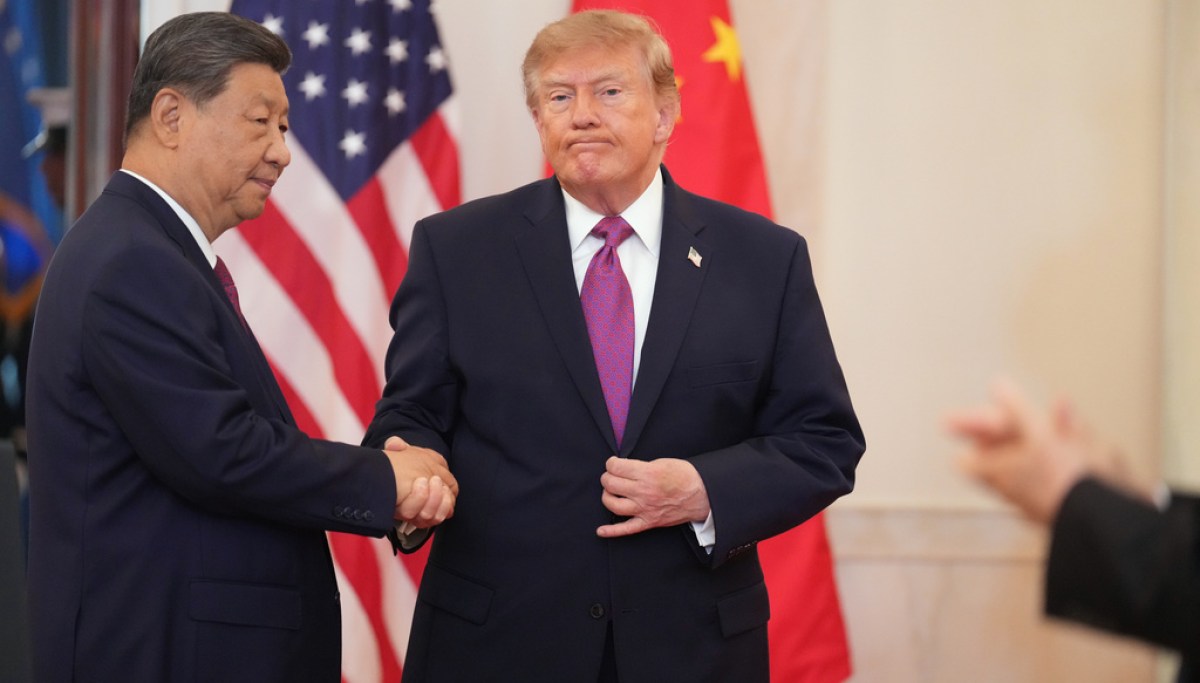
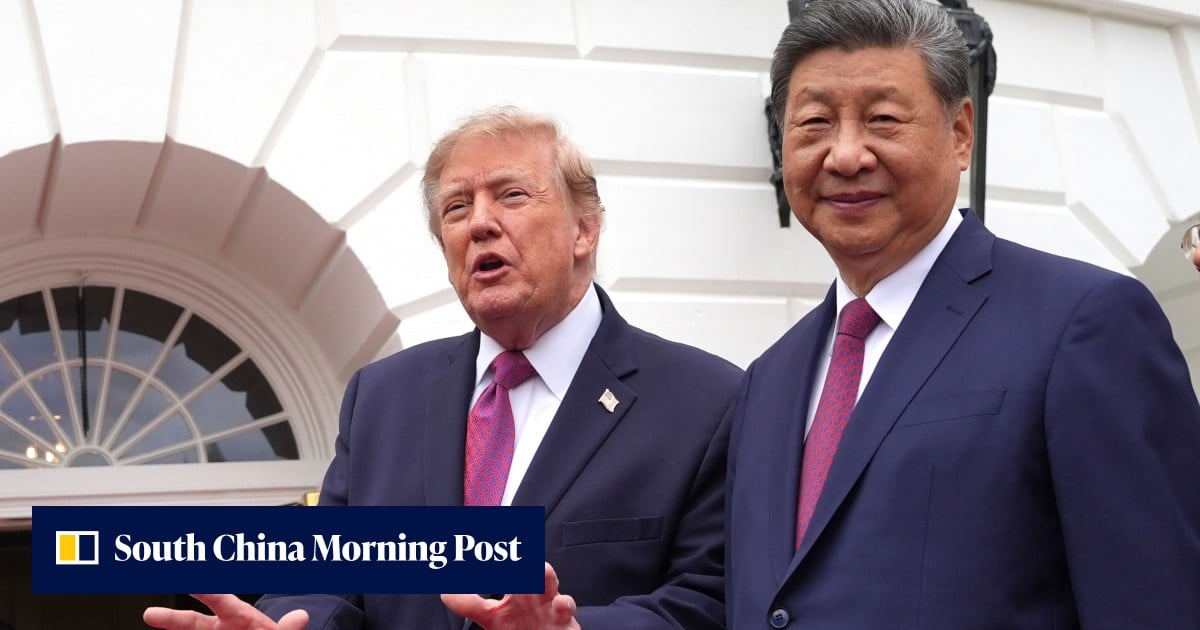
It had been a long time between drinks: just under a decade in the case of President Donald Trump’s last visit to Beijing in late 2017; and just over a decade since President Xi Jinping stood on the White House lawns in 2015 with President Barack Obama.
asserted
Jinping → stand → Obama
Now it is everything, everywhere, all at once, with some speculating that we are seeing the birth of a new G-2.
asserted
we → speculate → G-2
It is natural for the world to wonder what, if anything, has fundamentally changed in the strategic architecture of the U.S.-China relationship.
asserted
what → wonder → relationship
It is always hard to parse the difference between the language and theatre of politics and diplomacy, and what is actually happening on the ground.
asserted
what → parse → ground
Despite the pomp and circumstance in both the Beijing and Washington summits, the reality is that nothing much has changed in the fundamentals of the relationship.
asserted
nothing → change → relationship
Whatever public language might be used, the U.S. and China remain fully engaged in an all-pervasive strategic competition on which of them will emerge as the dominant Indo-Pacific and then global power for the 21st century — militarily, in the economy, technology, foreign policy as well as the underlying ideological contest between democratic capitalism and China’s alternative authoritarian model.
uncertain
U.S. → use → capitalism
Whatever the diplomatic surround sound might be, core decision-makers in both Washington and Beijing continue to have a deeply realist view of this ongoing strategic contest — or what the Chinese Communist Party (CCP)has long called the “struggle for the future of the international order”.
uncertain
Party → continue → order
Strategic competition is not going away.
asserted
competition → go → ?
The real question is whether that competition can be managed within the framework of some mutually acceptable rules of the road.
asserted
competition → manage → road
Or whether it is left unmanaged with a rolling risk of crisis, conflict or even war.
asserted
it → leave → crisis
What the U.S. and China appear to be doing is moving towards an imperfect form of bilateral management mechanism.
asserted
appear → appear → mechanism
This process began in May last year with the regularisation of the political channel between U.S. Treasury Secretary Scott Bessent and Chinese Vice Premier He Lifeng.
uncertain
process → begin → Bessent
This followed the imposition of trade-destroying tariffs of 125% in April 2025 by Mr. Trump, which were then promptly matched by 125% from Mr. Xi.
asserted
which → follow → Xi
To preserve their respective national economic interests, both sides then walked back from the brink of a full trade war.
asserted
sides → preserve → war
Since then, Mr. Bessent, Mr. He and their teams have now met eight times — on average every two months.
asserted
Bessent → meet → ?
And after a tumultuous decade across every dimension of the relationship, the Bessent-He channel has indeed had a stabilising effect.
asserted
channel → have → effect
Beijing’s push for stability
China in particular has sought stability as it moves into 2027.
asserted
it → seek → 2027
Later next year, the CCP convenes the 21st Party Congress when Mr. Xi will be appointed to a record fourth term as General Secretary and where he hopes to appoint a fresh phalanx of personal loyalists to the party’s most senior positions.
asserted
he → convene → positions
While Mr. Xi’s authority remains unchallenged, he will want as benign a domestic economic environment as possible.
asserted
he → remain → environment
China’s dilemma is that the domestic drivers of economic growth are performing poorly.
asserted
drivers → perform → growth
Private fixed capital investment is also flat-lining.
asserted
investment → fix → ?
That leaves public investment (i.e., China’s gargantuan techno-industrial strategy) and net exports as the two primary pistons driving the Chinese growth engine.
asserted
That → leave → engine
The last thing Beijing wants is for the U.S. to resume a full-scale trade war which Mr. Trump is perfectly capable of doing.
asserted
Trump → want → war
Just look at what he did in 2018 and in 2025.
asserted
he → look → 2025
China therefore has been doubling down on its “stability narrative” with the U.S.
asserted
China → double → U.S.
Its new concept of “constructive strategic stability” is about maximising “cooperation”, managing “competition within defined bounds”, while also managing “strategic differences”, which is code language for Taiwan.
asserted
which → maximise → Taiwan
In China’s conceptual universe, if these three pillars are properly attended to, then the cardinal objective is achieved: stability.
asserted
objective → attend → universe
It is China’s effort at “managed strategic competition” with the U.S.
asserted
It → manage → U.S.
Moreover, the U.S. has formally accepted this framework in official readouts from the Beijing Washington Summits.
asserted
U.S. → accept → Summits
But the U.S. has added the explicit caveat that any such bilateral framework be both “fair and reciprocal”.
asserted
framework → add → caveat
For Washington realists, that is enough to drive a bus through any “constructive strategic stability” narrative on any day of the week.
asserted
that → drive → week
Furthermore, Beijing would be wildly optimistic if it concluded that Donald Trump is likely to be constrained in his future freedom of manoeuvre because of some grand, overarching foreign policy narrative.
asserted
Trump → conclude → narrative
The President just does not operate that way.
asserted
President → operate → ?
A fragile truce
What concerns China most is if what is called the “Busan Tariff Truce” agreed to last October falls apart.
asserted
called → concern → China
That original 12-month truce has only been extended two months.
asserted
truce → extend → ?
If the U.S. concludes that China has not been helpful on U.S. agricultural exports, or in the normalisation of the critical minerals and rare earths trade with the U.S., there is a real risk that the Busan Truce collapses.
asserted
Truce → conclude → U.S.
And if the European Union were to move in the same direction on tariffs given the crisis in European manufacturing, the consequences for an export-dependent Chinese economy would be large.
asserted
consequences → move → economy
For all these reasons, both tactical and strategic, the U.S.-China relationship remains deeply fragile.
asserted
relationship → remain → reasons
Even if the Busan Truce extends beyond December, the effective general U.S. tariff rate against China will remain much, much higher than, for example, India’s.
asserted
rate → extend → India
…and 7 more, not listed.
 The Aporia