- Published
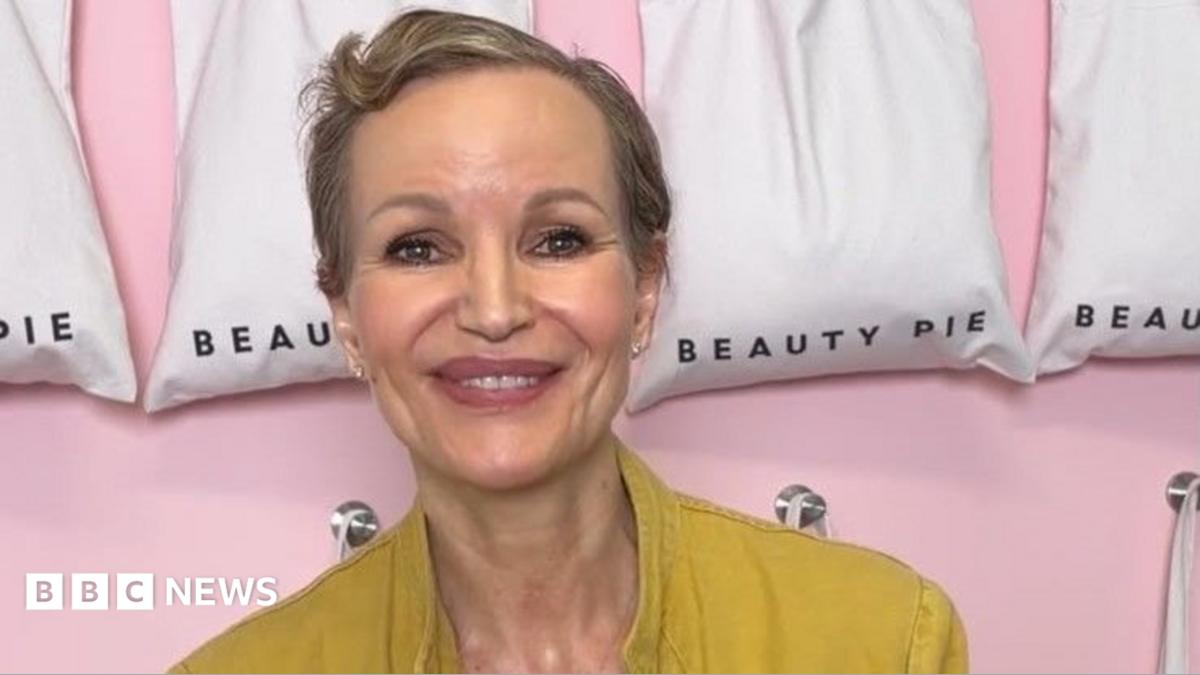
The name Marcia Kilgore might not be instantly recognisable but her Beauty Pie brand is known the world over for being an industry game-changer with its online-only subscription model.
uncertain
brand → publish → model
Before founding Beauty Pie in 2016, Kilgore had built other brands including luxury day spa Bliss, make-up and skincare range Soap & Glory and footwear brand FitFlop.
asserted
Kilgore → found → Bliss
Here the 57-year-old serial entrepreneur shares her story and the five secrets to success she learned along the way.
asserted
she → share → way
1. You don't need a perfect plan
Kilgore didn't always know she wanted to be an entrepreneur but growing up she saw first-hand the stress that financial insecurity could cause.
"
uncertain
insecurity → need → that
I remember deciding at eight-years-old that when I was my parents' age, I would never want to be stressed about my electric bill," she says.
asserted
she → remember → bill
That desire shaped her approach to work and risk.
asserted
desire → shape → work
"I knew that working for other people wouldn't necessarily give me the freedom I wanted and at least when you are an entrepreneur, the risk is your own."
asserted
risk → know → freedom
She didn't begin with a grand business plan - she moved from Canada to New York to study at Columbia University and her tuition plan fell through so she had to get a job to support herself.
asserted
she → begin → herself
"You can't sit around thinking: 'What am I going to do?
asserted
I → sit → What
You have to survive.
asserted
You → have → ?
I knew I had to use the skills I had to support myself and then I would figure it out."
asserted
I → know → it
She started working as a personal trainer and taking beauty classes in the evening.
asserted
She → start → evening
"What ended up transpiring was that I was quite good at the beauty industry job," she says and eventually she dropped out of university to pursue a career in it.
asserted
she → end → it
2. Know the job inside out
Working in her salon, Kilgore says she was involved in every aspect of the business from the laundry, to performing treatments and training staff.
asserted
she → know → staff
She says that practical experience was invaluable when she later opened Bliss Spa in London in the 1990s.
asserted
she → say → 1990s
"I had trained loads of people ahead of the store opening but when we first opened it was so busy and a lot of them got afraid and quit.
asserted
lot → train → them
"The good thing is I know how to wax and do facials so I could do all of the appointments myself."
uncertain
I → know → appointments
Her advice is to start a business in an area where you have genuine knowledge.
asserted
you → start → knowledge
"You want to have deep expertise, so you're not left swinging in the wind if people disappoint you or things come in from the side and surprise you," she says.
asserted
she → want → you
3. Challenge your own ideas
Kilgore recommends asking yourself why someone should care about your idea and be able to explain the value of an idea in one clear sentence.
asserted
someone → challenge → sentence
"If you can't answer 'so what?' in one sentence, your idea isn't good enough yet.
asserted
idea → answer → sentence
"
That doesn't necessarily mean abandoning it but it needs to be refined more so its purpose is immediately understandable, she says.
asserted
she → mean → it
Kilgore also warns against developing "ownership bias", believing an idea is brilliant simply because it belongs to them.
asserted
it → warn → them
"You might think something is really great, but you're living in your own bubble," she says.
uncertain
she → think → bubble
Her advice is to "test your idea with your target market before you go too far down the road of investing in something nobody cares about but you".
asserted
nobody → test → you
She adds that AI now offers significant opportunities to people starting their own business as "you don't need a huge budget for consultants".
asserted
you → add → consultants
"AI can spit your idea back and forth, challenge it and advise you on what you need to consider that you might not obviously see."
4. Expect sacrifice and be kind
When she was starting out in her career Kilgore realised she needed to be "someone that people look forward to being around".
uncertain
people → spit → that
It's important to be polite, punctual and nice as those qualities help you build loyalty, she says.
asserted
she → help → loyalty
"I made sure I was the sunniest, hardest working and most diligent person to do that service."
"If you do a really great job, people will recommend you," she says and she soon opened a tiny beauty salon that became booked up months in advance.
asserted
that → make → advance
She also explains you also need to be "willing to make some big sacrifices" to make your business successful.
asserted
business → explain → sacrifices
"You're not going to have a lot of free time," she says as running a business requires you to be aware of changing customer behaviour, new competitors and wider market trends.
asserted
running → go → behaviour
That often means reading, researching and connecting ideas outside of working hours.
asserted
That → mean → hours
Kilgore says the workload can feel easier if you have a curiosity around you as "that's what drives you".
asserted
what → say → you
She does have some non-negotiables and has made an effort not to miss important events while raising her children, including school plays and family holidays.
asserted
She → have → plays
5. Do the deathbed test
A test that Kilgore has used throughout her career is the deathbed test where she asks whether a project will still feel worthwhile at the end of her life.
asserted
project → do → life
"Imagine you're on your deathbed, think about what you would have done differently and do that," she says.
"
asserted
she → imagine → that
If it doesn't mean something, or you haven't done something good for people, are you going to feel that your life was really well spent?"
asserted
life → mean → people
She adds that success for her isn't just about building another company but deciding which ideas are worth the time it will take to build them.
asserted
it → add → them
 The Aporia