Al Jazeera – Breaking News, World News and Video from Al Jazeera
· collected 2026-09-06 · by Hoda Sherif
Abdul El-Sayed, a Democratic Senate candidate from Michigan, used a speech at the Annual Islamic Society Conference to discuss Muslim American identity and criticize US foreign policy. He argued that being Muslim does not make someone less of an American, but rather can enhance their values as Americans. The speech comes ahead of a potential general election battle against Republican Mike Rogers, who is backed by President Donald Trump. El-Sayed criticized the US government's spending priorities under Trump, questioning how it can afford military escalations when basic needs like infrastructure and education are unaddressed.
Written by the local model on 2026-09-07,
using this article's own text rather than the other coverage of the
same event (that is the story summary below).
Story summary
Abdul El-Sayed, the Democratic nominee for U.S. Senate in Michigan, is facing scrutiny over his past comments on the September 11 attacks. According to CBS News, El-Sayed had made two deleted social media posts calling for the American public to be as outraged about the COVID-19 death toll as they were after 9/11. The controversy surrounds Hasan Piker, a leftist Twitch streamer who has appeared at El-Sayed's campaign events and previously made comments that "America deserved 9/11" before retracting them.
CBS News wrote an article framing El-Sayed's comments as an invitation for scrutiny, but the story was widely criticized by The Intercept and others for being a manufactured anti-Muslim scandal. Lorraine Ali, writing in World & Nation, argued that this bigoted rhetoric against Muslim American politicians is backfiring and may need to be reevaluated.
In response to the criticism, El-Sayed gave a speech at the Annual Islamic Society Conference in Detroit, where he discussed Muslim American identity and blasted the US and Israel's war on Iran. He emphasized the importance of Muslim Americans feeling like they belong in America, despite being told otherwise by some politicians.
Written for “US Politician's 9/11 Comments” on 2026-09-07,
grounded in this article and the 4 other(s) covering the same event.
Why this leaning score
The article's own words the score was based on. Each is quoted
verbatim and was checked against the article text before being
stored, so you can find it in the original.
-
at their best, being Muslim makes us better Americans … and being American enables us to be better Muslims
left affirming a positive relationship between Islam and American identity
-
It’s time for us to focus on addressing the problems that people in our country need solved
left criticizing government spending priorities
-
They care what you pray for and what you hope for
left emphasizing the importance of shared values over religious differences
Leaning score -0.55 for article 6045 (high confidence, 3 verified quotes) · logged 2026-09-07
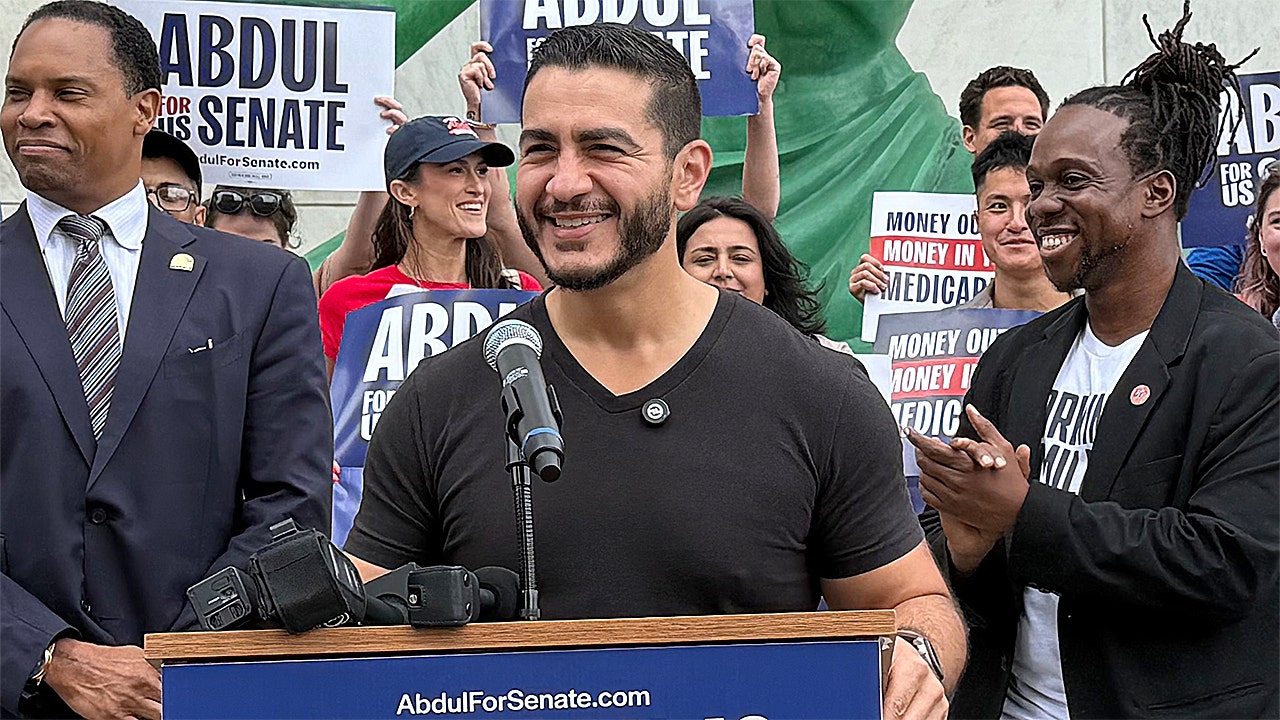
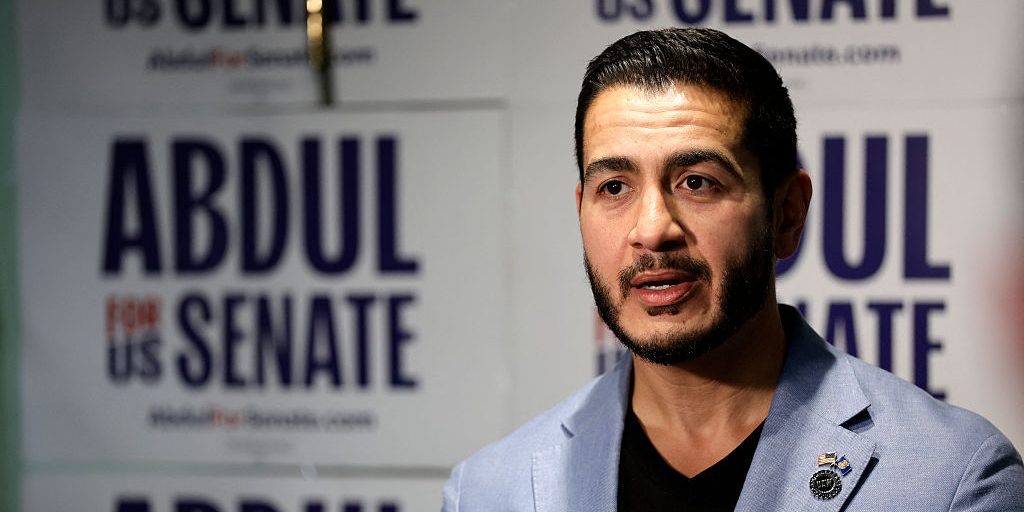
The Democratic Senate candidate for the US state of Michigan, Abdul El-Sayed, has used a speech in Detroit to discuss Muslim American identity, while also blasting the US and Israel’s war on Iran.
asserted
candidate → use → Iran
At the Annual Islamic Society Conference on Saturday, the 41-year-old Democrat and public health advocate, who has been on the receiving end of Islamophobic remarks during this election cycle, addressed Islamophobia in the US.
asserted
who → receive → US
Recommended Stories
list of 3 items- list 1 of 3Is AIPAC’s political standing declining in the US?
- list 2 of 3US Democrats finalise major shakeup to 2028 presidential primary calendar
- list 3 of 3Most
asserted
Democrats → decline → calendar
US Democrats in early 2028 primary states oppose aid to Israel:
asserted
Democrats → oppose → Israel
“We find ourselves in a moment now, where as people point to us, Muslim Americans, they want to tell us that we don’t belong,” he told the crowd.
asserted
he → find → crowd
“They want to tell us that this country is not ours.
asserted
country → want → us
They want to tell us that because of our names and how we pray, somehow we are less than.
asserted
we → want → names
But as I look in front of me, I see people who contribute to that big America every single day.
asserted
who → look → America
El-Sayed, who is seeking the Democratic nomination for the US Senate seat in November’s midterms, will face a high-stakes general election battle against Republican Mike Rogers.
asserted
who → seek → Rogers
The former US Representative is backed by President Donald Trump.
asserted
Representative → back → Trump
After weeks of trading barbs online, the two candidates have finally agreed to hold two televised debates, the first on October 8 at Wood TV8 in Grand Rapids, the second on October 21 at WXYZ-TV in Detroit.
asserted
candidates → trade → Detroit
Addressing the state of Muslim American belonging, El-Sayed said that “at their best, being Muslim makes us better Americans … and being American enables us to be better Muslims,” he said.
asserted
he → address → best
He added that the two sets of ideals are “not mutually exclusive.”
asserted
sets → add → ideals
During his speech, El-Sayed also questioned the US government’s spending priorities under Trump against the backdrop of continuing military escalations and overseas quagmires.
asserted
Sayed → question → escalations
“How are you gonna pay for that [war in Iran] while we know our infrastructure is crumbling and our literacy rates are tumbling?” he asked the crowd.
asserted
he → go → crowd
“It’s time for us to focus on addressing the problems that people in our country need solved.”
asserted
people → ’ → country
Travelling across the Midwestern state in recent weeks, El-Sayed said that he found residents’ concerns transcended religious, racial and geographic divides.
asserted
concerns → travel → divides
He said they were “basic needs” like paying for groceries and gas “instead of dropping bombs or doing apartheid or genocide against somebody else and their kids”, referring to Israel’s genocidal war in Gaza.
asserted
they → say → Gaza
“Michiganders don’t care how you pray,” he said.
asserted
he → care → ?
“They care what you pray for and what you hope for.”
asserted
you → care → what