That is 0 articles you have read today.
The Aporia is free and carries no advertising, so readers are the only
thing paying for it. If you are getting this much out of it, a small
donation is what keeps it independent.
Daily limit reached
You have read 0 articles today.
That is more than the 15 a day The Aporia gives away,
and well past what it can carry on nothing. Your allowance resets at
midnight.
There is no advertising here and nothing about you is sold, so readers
are the only thing paying for it. If the site is worth this much of
your day, it is worth a few dollars.
Everything else stays open: the
maps, the
directory and
search do
not count against this, and neither does re-opening something you have
already read today.
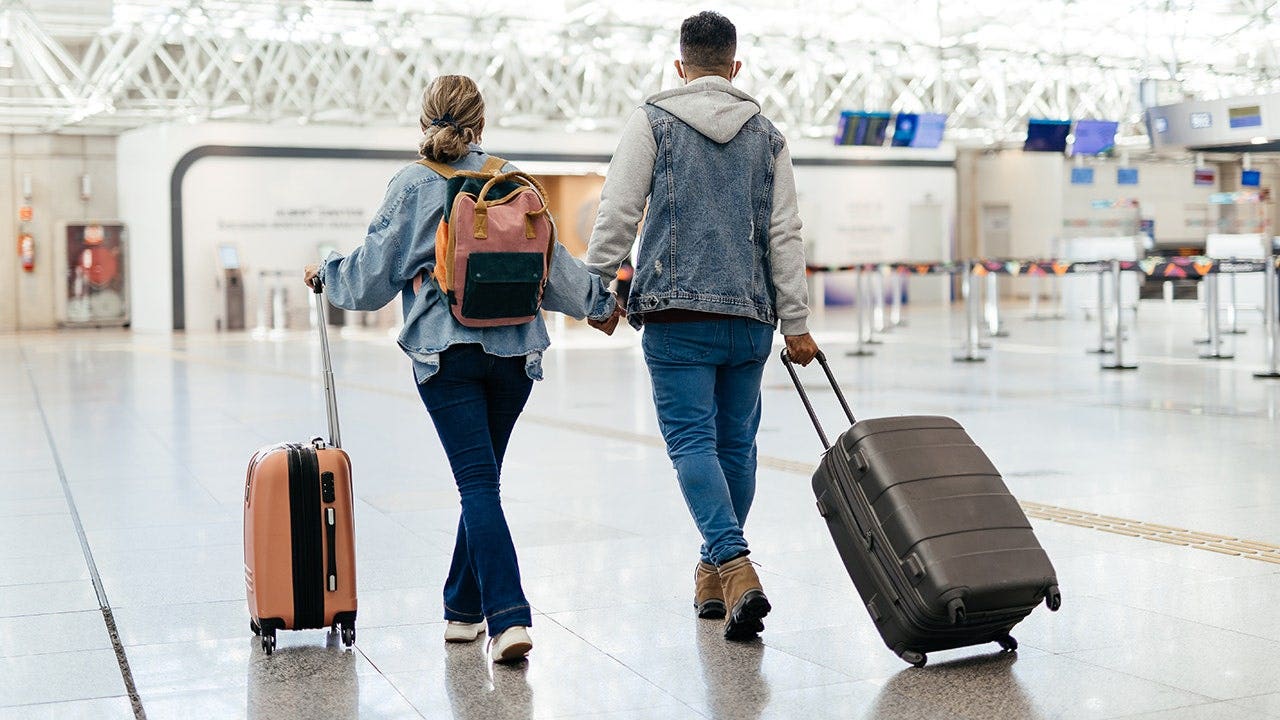
A TikTok video sparked a debate about airplane etiquette and relationship expectations when a woman described her ex-boyfriend’s decision to take an unexpected first-class upgrade while she remained in coach, leading to the end of their relationship. A psychotherapist noted that such incidents often highlight underlying issues related to selflessness rather than being decisive factors in breaking up relationships. The therapist emphasized that travel can act as a "stress test" for couples, revealing how they handle pressure and unexpected situations.
Written locally by qwen2.5:14b on 2026-10-06,
using this article's own text rather than the other coverage of the
same event (that is the story summary below).
Story summary
A TikTok video sparked debate about airplane etiquette when a woman detailed her experience of being left behind in coach while her then-boyfriend took an unexpected first-class upgrade on their trip to visit his family. The woman claimed she did not have airline status but expected him, who frequently traveled for work and received upgrades regularly, to offer the better seat to her or decline it so they could sit together. She stated that her boyfriend's decision to take the upgrade himself was what led to the end of their relationship, emphasizing that "it's not the seat, it's the principle." Psychotherapist Jonathan Alpert noted offering the upgraded seat would have been considerate but suggested the incident revealed deeper issues in their relationship.
Written for “Relationship Crisis Over Travel Upgrades” on 2026-10-06,
grounded in this article and the 0 other(s) covering the same event.
Why this leaning score
The model judged this article politically coded and scored it -0.45, but 2 quote(s) could not be found in the article and the other 1 are attributed speech rather than the article's own narration, so the score is not published.
Written under an earlier scoring contract, which gave a paragraph
rather than checkable quotes. Re-analysing this article replaces it.
Leaning score withheld for article 59991: no verified evidence · logged 2026-10-06
A woman's uncomfortable travel experience with a now-ex-boyfriend is fueling a heated debate about airplane etiquette and expectations between couples as a psychotherapist pointed out the larger issues involved.
asserted
psychotherapist → fuel → issues
In a recent TikTok video, the woman said she and her then-boyfriend were flying to visit his family when he received a seat upgrade — leaving her stuck back in the economy section.
asserted
he → say → section
The woman said she did not have airline status, while her boyfriend frequently traveled for work and regularly received upgrades and points, according to the video.
uncertain
boyfriend → say → video
The woman said she expected him to suggest switching seats — but that he took the upgrade himself.
asserted
he → say → upgrade
She said sitting in economy was not the problem; it was his actions that crushed her.
asserted
that → say → her
"It's not the seat, it's the principle," she said — describing the experience as "the beginning of the end" of their relationship.
asserted
she → say → relationship
Jonathan Alpert, a New York-based psychotherapist and author of "Therapy Nation," told Fox News Digital that offering the woman the upgraded seat would have been a considerate gesture on the man's part.
asserted
offering → base → part
But the disagreement appeared to represent a larger issue in the relationship, he said.
asserted
he → appear → relationship
"I think this situation probably isn't really about him giving up his seat, but it's probably about him or his lack of selflessness," Alpert said, adding the issue is less about gender and more about "kindness and thoughtfulness."
Still, Alpert said he would not consider the seat decision alone a reason to end a relationship.
asserted
decision → think → relationship
He suggested there were likely other issues between the couple and that the incident may have been "the straw that broke the camel's back.
uncertain
that → suggest → back
"
Travel can bring those underlying differences to the surface, Alpert said.
asserted
Alpert → bring → surface
He described it as a "stress test" that can reveal how partners handle pressure, adapt to unexpected situations and compromise with each other.
asserted
partners → describe → other
For couples faced with a similar upgrade, Alpert said "selflessness is the name of the game," suggesting a traveler should offer the better seat to a partner or turn down the upgrade completely in order to sit together.
"Any real man would let his wife have first class."
"At the end of the day, I would think that a couple wants to sit together and not apart," he said.
asserted
he → face → day
Many social media users sided with the woman, saying they, too, would have expected a partner to offer the better seat or decline the upgrade altogether.
asserted
partner → side → upgrade
"Personally I'd rather just reject the upgrade altogether so we could sit together," one person wrote.
uncertain
person → reject → upgrade
One commenter who identified herself as a flight attendant agreed, writing, "I'm a flight attendant and if a man ever says his wife is in the back, I always call him out."
Another person said, "Any real man would let his wife have first class."
asserted
wife → identify → class
Others pushed back on the expectation that the boyfriend should have surrendered his seat.
asserted
boyfriend → push → seat
"Why does the man always have to suffer?" one person asked.
asserted
person → have → ?
"It's called chivalry," another responded.
asserted
another → call → ?
 The Aporia