That is 0 articles you have read today.
The Aporia is free and carries no advertising, so readers are the only
thing paying for it. If you are getting this much out of it, a small
donation is what keeps it independent.
Daily limit reached
You have read 0 articles today.
That is more than the 15 a day The Aporia gives away,
and well past what it can carry on nothing. Your allowance resets at
midnight.
There is no advertising here and nothing about you is sold, so readers
are the only thing paying for it. If the site is worth this much of
your day, it is worth a few dollars.
Everything else stays open: the
maps, the
directory and
search do
not count against this, and neither does re-opening something you have
already read today.
Norway's government is considering a temporary ban on AI-enabled smart glasses in public spaces like beaches and museums due to privacy concerns. Officials are worried these devices can record people without their knowledge. Torgeir Micaelssen, Norway’s minister of Digitalization and Public Administration, stated the goal is to prevent hidden surveillance that might make individuals uneasy about being monitored in public areas. The proposal aims to protect against unauthorized recording but would not completely ban smart glasses use in private or consensual settings. Similar debates are ongoing in the United States regarding the regulation of wearable technology for privacy reasons.
Written locally by qwen2.5:14b on 2026-10-06,
using this article's own text rather than the other coverage of the
same event (that is the story summary below).
Story summary
Norway's government announced on October 5 that it plans to propose a temporary ban on AI glasses in public places due to privacy concerns. The proposed ban could apply to areas where people regularly gather, such as parks, beaches, museums, shopping centers, and public events, as well as schools, playgrounds, youth clubs, doctors' offices, swimming pools, and gyms with changing rooms. Digitalization and Public Governance Minister Torgeir Micaelsen expressed worry that the technology could be used to photograph or film people without their consent. The government is still determining exactly which devices and locations would be affected but emphasized that private use where others are not at risk of being recorded without consent will remain allowed. This move reflects a broader global concern over smart glasses equipped with cameras, amid increasing ethical and privacy worries around these new technologies marketed by tech giants like Meta.
Written for “Norway Smart Glasses Ban Proposal” on 2026-10-06,
grounded in this article and the 3 other(s) covering the same event.
Why this leaning score
The model judged this article politically coded and scored it -0.35, but 1 quote(s) could not be found in the article and the other 1 are attributed speech rather than the article's own narration, so the score is not published.
Written under an earlier scoring contract, which gave a paragraph
rather than checkable quotes. Re-analysing this article replaces it.
Leaning score withheld for article 58862: no verified evidence · logged 2026-10-06
Travelers could face new restrictions on smart glasses in one popular European destination.
uncertain
Travelers → face → destination
The government of Norway plans to propose a temporary ban on AI-enabled glasses in certain public places, according to a press release from the Norwegian Ministry of Digitalization and Public Governance.
uncertain
government → plan → Digitalization
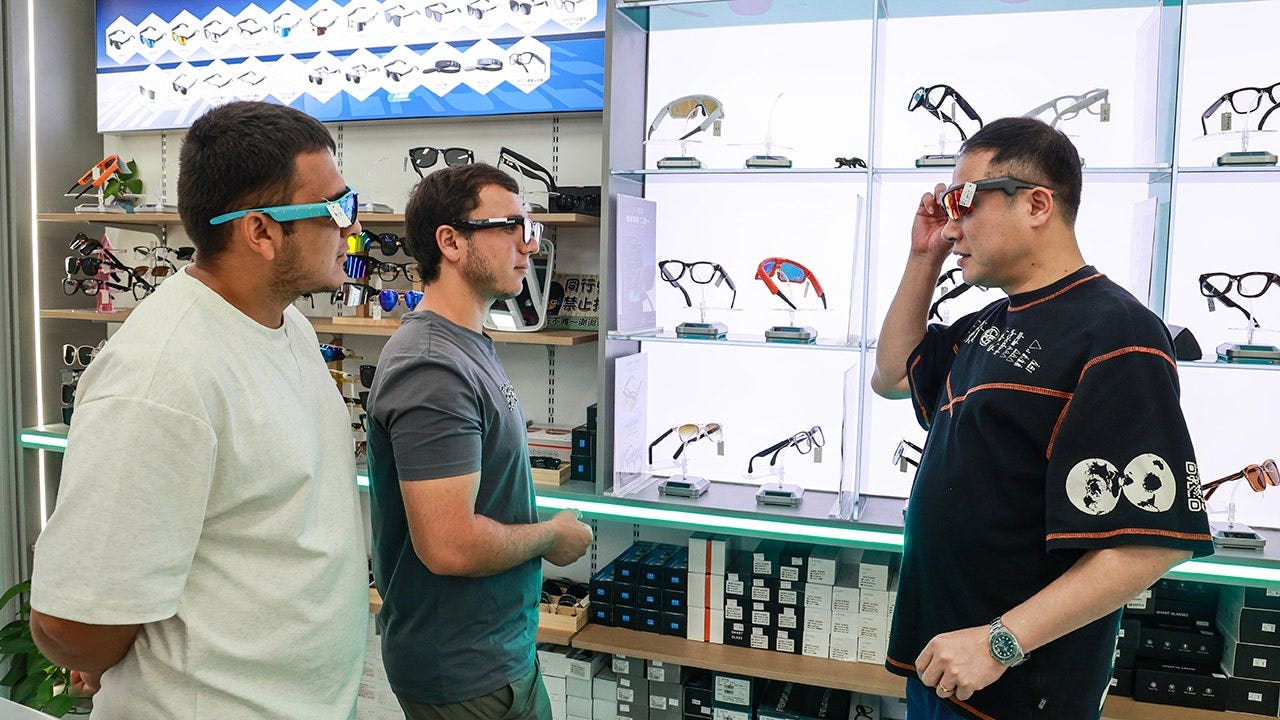
The restrictions could apply to places that travelers regularly visit — including beaches, parks, museums, shopping centers and public events, the press release said.
uncertain
release → apply → beaches
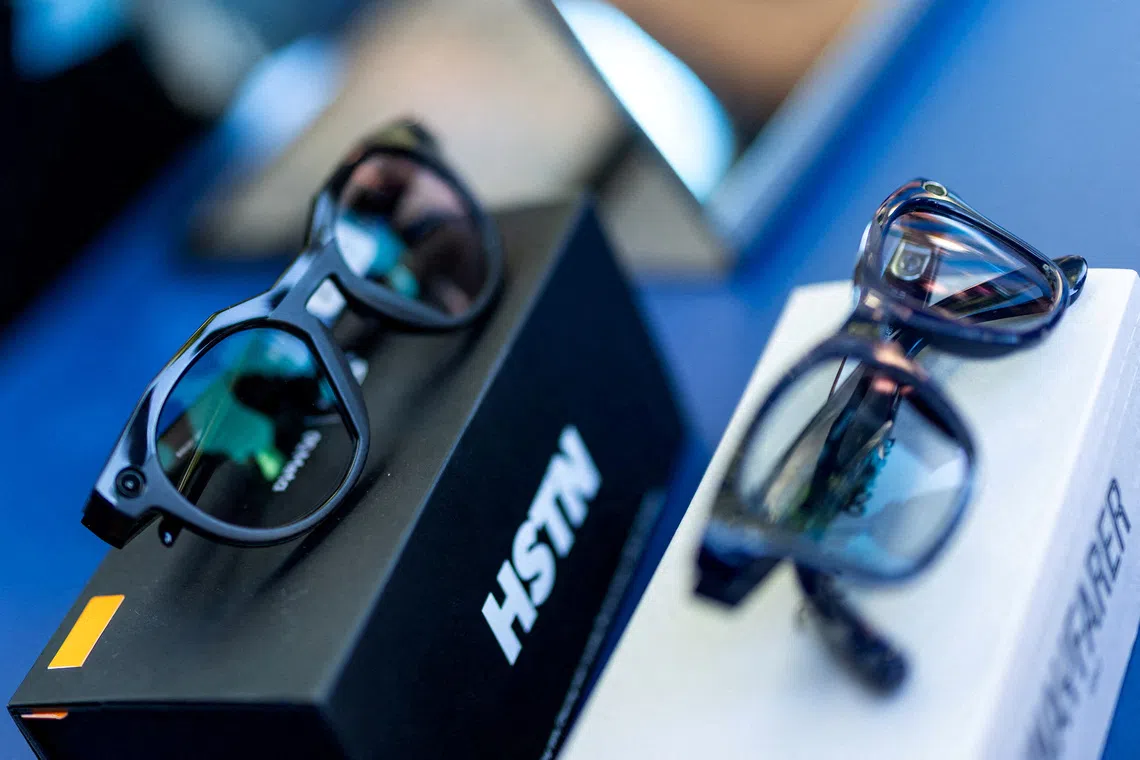
Smart glasses can be equipped with cameras and microphones capable of taking photos and recording video or audio.
asserted
glasses → equip → video
Norwegian officials said they are concerned the technology could allow people to be recorded without realizing it.
uncertain
people → say → it
"We do not want a society where people are concerned about hidden sound recordings, photography and filming in places and in situations where they are used to being without being monitored," said Torgeir Micaelssen, minister of Digitalization and Public Administration.
asserted
Micaelssen → want → Digitalization
The proposed restrictions are not yet in effect.
asserted
restrictions → propose → effect
The government plans to bring legislation before Norway's parliament, known as the Storting, as soon as possible.
asserted
government → plan → Storting
Officials are still determining exactly which devices and locations would be covered, including whether the rules would apply only to AI-enabled glasses or to other wearable technology capable of recording, the press release noted.
asserted
release → determine → recording
There are concerns that the technology could allow people to be recorded without realizing it.
uncertain
people → be → it
The government said it is not seeking a complete ban on smart glasses.
asserted
it → say → glasses
The devices could still be used privately and in certain settings where other people are not at risk of being recorded without their consent.
uncertain
people → use → consent
The proposal comes as privacy concerns surrounding smart glasses are also being debated in the United States.
asserted
concerns → come → States
California Gov. Gavin Newsom recently vetoed legislation that would have penalized people for using smart glasses to record others without permission in places such as changing rooms and doctors' offices, according to The Associated Press (AP).
uncertain
that → veto → Press
The measure also would have required smart glasses and other wearable recording devices beginning in 2028 to include a light or another feature signaling when audio or video was being captured, the AP reported.
asserted
AP → require → light
Newsom said the bill's definition of a wearable recording device was too general.
asserted
definition → say → device
He also noted that California already has laws prohibiting people from recording others without permission in places where privacy is generally expected, according to the AP.
uncertain
privacy → note → AP
Under the proposed legislation, people who secretly recorded someone in covered circumstances could have faced fines of up to $1,500 or possible prison time.
uncertain
who → propose → 1,500
Companies selling devices that failed to comply with the proposed requirements could have faced fines of up to $2,500.
uncertain
that → sell → 2,500
The Associated Press contributed reporting.
asserted
Press → contribute → reporting
 The Aporia