A look back at the esteemed personalities who left us this year, who touched us with their innovation, creativity and humanity.
asserted
who → leave → innovation
The Associated Press contributed to this gallery.
asserted
Press → contribute → gallery
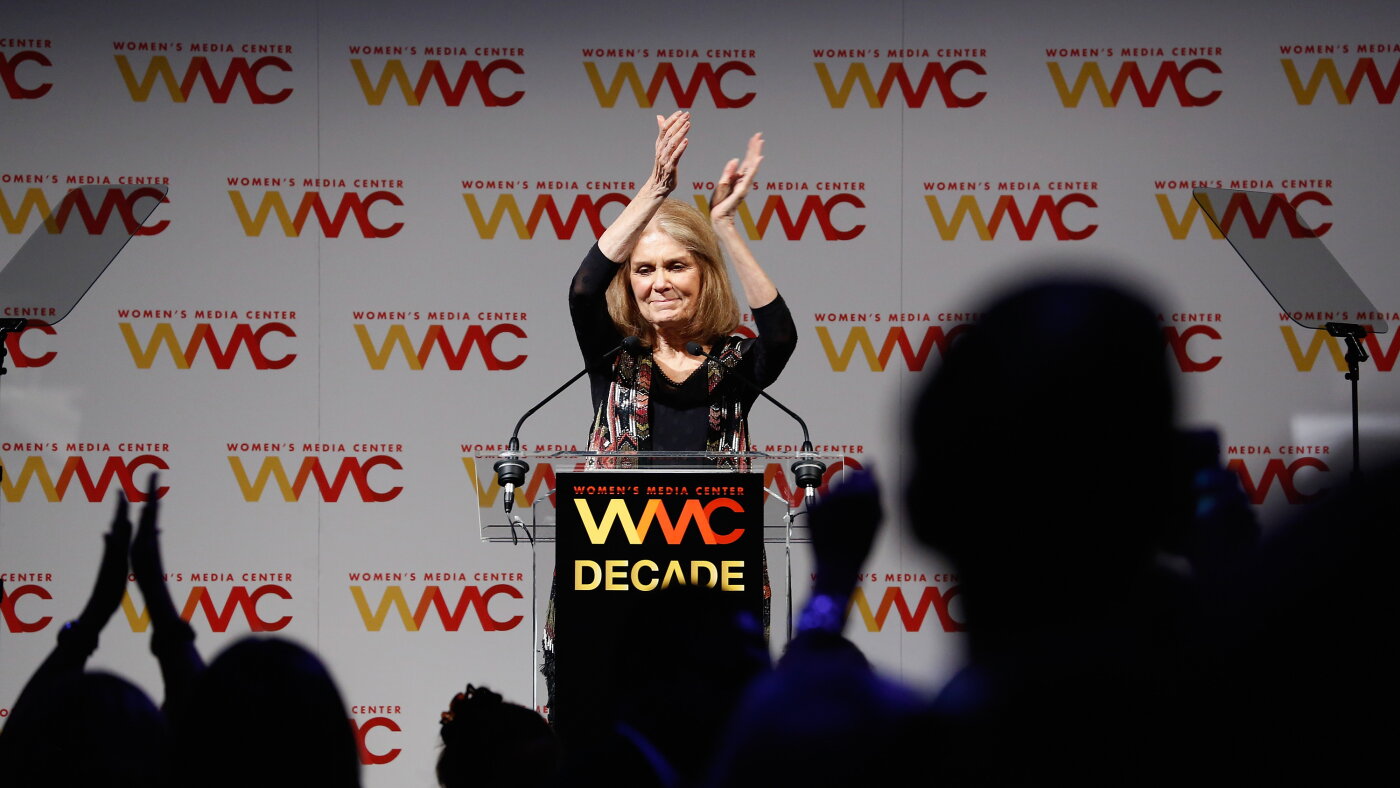
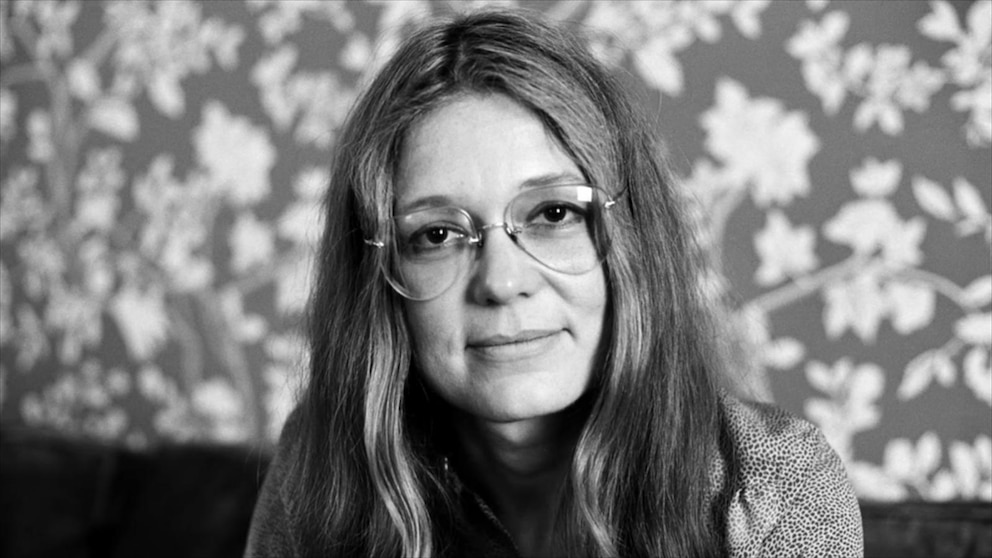
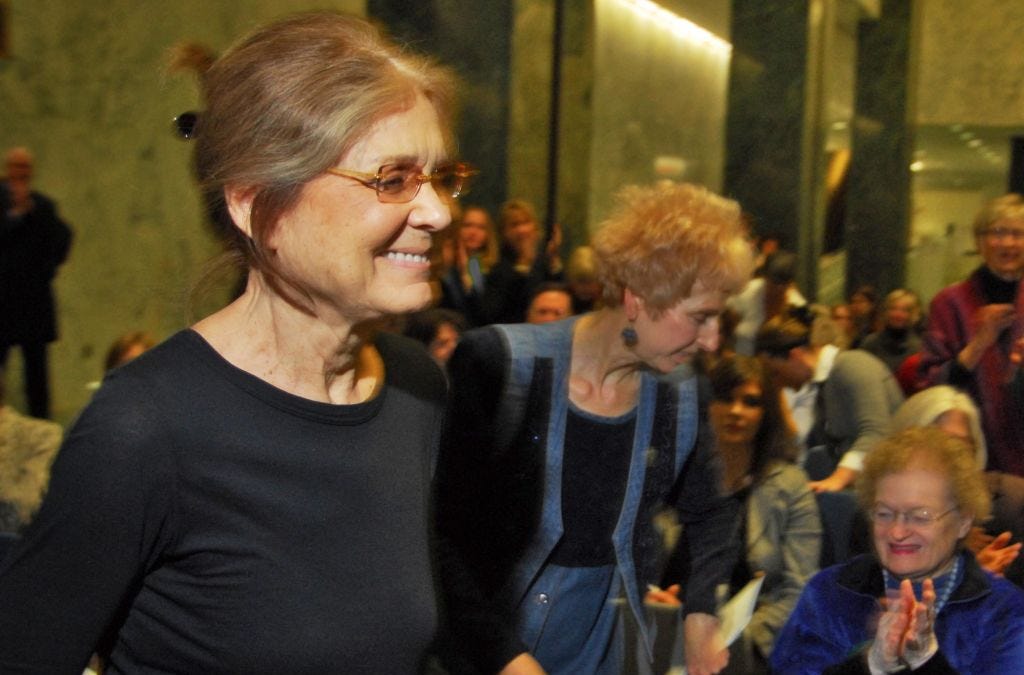
Journalist, activist, and author Gloria Steinem (March 25, 1934-Sept. 2, 2026) was a trailblazing figure of the women's liberation movement, and a co-founder of Ms. Magazine, the first major publication to be owned, run, and written by women.
asserted
Steinem → trailblaze → women
Ms. was a spearhead for the promotion of equal rights, helping to raise awareness about issues of inclusion, media representation and social justice affecting women and girls.
asserted
Ms. → help → women
As a journalist, Steinem exploded the notions that "women's issues" were confined to women.
asserted
issues → explode → women
She was also a tireless advocate for women's voices in politics – at the ballot box, and in the halls of power – by fighting for voting rights, and promoting female candidates for office.
asserted
She → fight → office
Steinem told "Sunday Morning" in 2023 that, as the women's liberation movement picked up steam, the very word "feminism" seemed to threaten people for two reasons: "One, because they didn't understand it, and two, because they did understand it!"
Born in Toledo, Ohio, to a traveling salesman, Steinem lived an itinerant life as her family moved about, until her parents' separation and divorce when she was a teenager.
asserted
she → tell → separation
Steinem ended up caring for her mom, who suffered from mental illness.
asserted
who → end → illness
Steinem's career as a journalist began in New York City, where she contributed to several publications, including The New York Times and Esquire.
asserted
she → begin → Times
She made a splash with her two-part 1963 exposé in Show magazine, for which she went undercover as a Playboy Bunny at Hugh Hefner's Playboy Club.
asserted
she → make → Club
The article, which exposed sexual harassment on the club's floor and the toll on female employees behind the scenes (including mandatory blood tests and gynecological exams), was a sensation.
asserted
which → expose → tests
After helping found New York Magazine (a news, pop culture and style publication), publisher Clay Felker volunteered to publish a sample issue of Ms. within the pages of New York magazine in 1971.
asserted
Felker → help → 1971
The issue promptly sold out.
asserted
issue → sell → ?
The publication's first full issue appeared on newsstands on July 1, 1972.
asserted
issue → appear → July
In addition to having Wonder Woman on its cover, the issue featured a petition signed by women of various backgrounds announcing that they had had an abortion and were demanding that it become safe and legal.
asserted
it → have → abortion
]
The magazine courted controversy (a cover photo advertising a story about sexual harassment on the job, depicting a man fondling a doll, got the magazine pulled off newsstands), while some advertisers shied away (the head of a major cosmetics company told Steinem that women who read Ms. don't buy makeup).
asserted
who → court → makeup
Still, the magazine persisted, while Steinem also helped nurture groups and publications dedicated to advancing civil rights, from the Ms. Foundation for Women (which created the Take Our Daughters to Work Day initiative, later expanded to include sons), to the Women's Action Alliance, and the National Women's Political Caucus.
asserted
which → persist → Alliance
She was president and co-founder of Voters for Choice (which later merged with the Planned Parenthood Action Fund), and was co-founder of the reproductive rights organization Choice USA (now URGE).
asserted
which → merge → organization
In 1999, Steinem was asked by the "CBS Evening News" whether technological advances were responsible for women's advancement.
asserted
advances → ask → advancement
Steinem discounted that: "There's nothing automatic about political change, about liberation," she said.
asserted
she → discount → liberation
Liberation does not come from outside.
asserted
Liberation → come → ?
Power can't be given to you.
asserted
Power → give → you
The process of taking it is part of the empowerment.
asserted
process → take → empowerment
In 2000, Steinem (who once thought marriage was demeaning) did the unexpected: she married David Bale, a human rights activist and father of actor Christian Bale.
asserted
she → think → Bale
But their life together ended three years later, when Bale died of lymphoma of the brain.
asserted
Bale → end → brain
In 2006, she told "Sunday Morning" that losing her husband made her understand the difference between sadness and depression.
asserted
her → tell → sadness
"Yes, because people would say to me, 'Aren't you depressed?'
asserted
you → say → me
And I realized that in depression, nothing matters.
asserted
nothing → realize → depression
And in sadness, everything matters.
asserted
everything → matter → sadness
It makes everything poignant."
asserted
everything → make → ?
Steinem continued writing and lecturing into her 90s, as some of the topics introduced long ago by Ms. Magazine, such as sexual harassment in the workplace and domestic violence, took on new force with the rise of the #MeToo movement.
asserted
some → continue → movement
Steinem told "Sunday Morning" that the revolution for women's equality is still being fought today.
asserted
revolution → tell → equality
"There's a barrier that has moved, but there's still a barrier," she said.
asserted
she → be → ?
"So, what used to be you couldn't get a job, now you hit a ceiling after a few years.
asserted
you → use → years
What used to be an unequal marriage is now unequal after children are born.
asserted
children → use → ?
The barrier has moved, thank goodness.
asserted
barrier → move → ?
So, there's more room back here that's liberated.
asserted
that → be → ?
But the barrier is still there to be pushed.
asserted
barrier → push → ?
Cassandra Wilson
Two-time Grammy Award-winning jazz singer, songwriter and producer Cassandra Wilson (Dec. 4, 1955-Sept 1, 2026) was once called America's best singer by Time magazine.
asserted
singer → win → magazine
The daughter of musician Herman Fowlkes (who stopped going on the road when Cassandra was born) and teacher Mary Fowlkes, Cassandra studied piano from age 6 until 13, at which point her father encouraged her on the guitar.
asserted
father → stop → guitar
…and 1151 more, not listed.
 The Aporia