The Sydney Morning Herald
· collected 2026-10-06 · by Clinton Fernandes
Anthropic, the company behind the Claude series of AI programs, has been wining and dining religious scholars behind a veil of non-disclosure agreements.
asserted
Anthropic → win → agreements
It is trying to convince them that its AI programs possess a form of consciousness.
asserted
programs → try → consciousness
Building such a consensus would help Anthropic evade criminal or civil charges resulting from harm caused by its software.
asserted
Anthropic → build → software
Australia’s regulators shouldn’t allow themselves to be conned.
asserted
themselves → allow → ?
Christopher Olah, a 34-year-old co-founder of Anthropic, has been holding private seminars for months with dozens of religious thinkers to explore the possibility of AI consciousness.
asserted
Olah → hold → consciousness
Attendees have included various Catholic professors, evangelical writers, a scholar of African Indigenous knowledge, a Sikh human rights advocate, a senior cleric of the Church of Jesus Christ of Latter-day Saints, and an Orthodox rabbi from Israel.
asserted
Attendees → include → Israel
The meetings have concluded with dinner at a high-end restaurant and gifts of a handwritten thank-you card, a coffee mug, and a specially bound copy of the AI model’s “constitution”.
asserted
meetings → conclude → constitution
Anthropic tried to directly lobby the Pope’s advisers in the Vatican but failed when Pope Leo rejected their overtures.
asserted
Leo → try → overtures
Anthropic is merely trying to do what other powerful industry groups have done before: frame a problem and propose a solution that suits its interests.
asserted
that → try → interests
Then its people in Congress and the White House can enact laws that ratify that narrative.
asserted
that → enact → narrative
It is a familiar tactic known as regulatory capture.
asserted
It → know → capture
Other industry groups have tried previously to influence regulation by reframing the problem to deflect blame from themselves.
asserted
groups → try → themselves
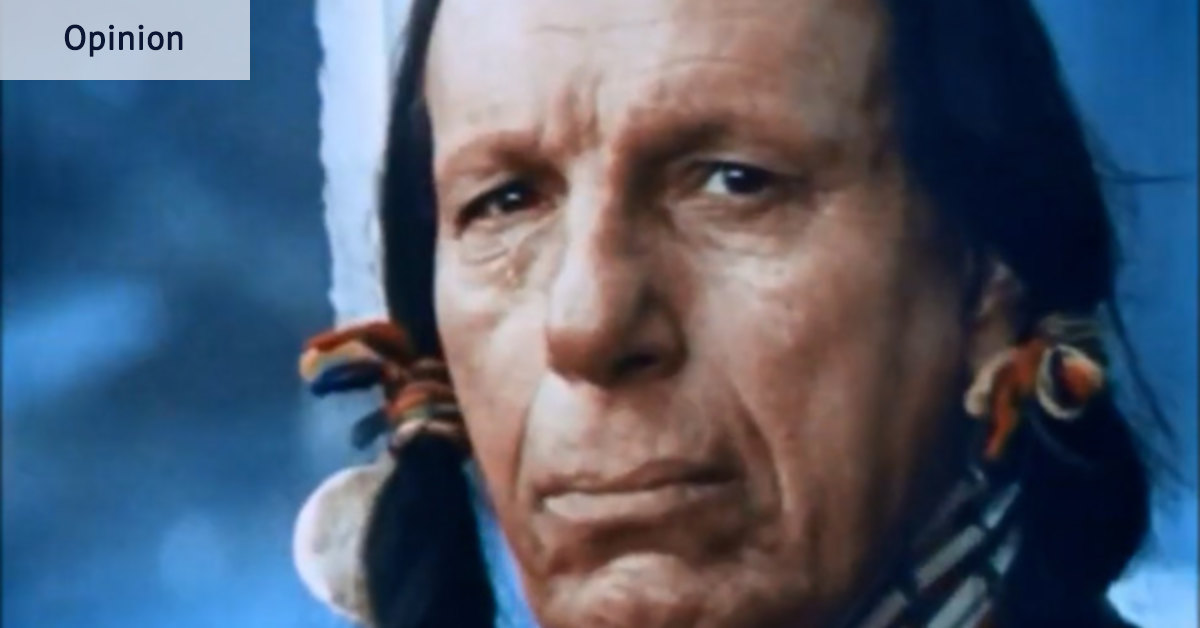
In the 1970s, the non-profit group Keep America Beautiful ran advertisements against littering, saying: “People start pollution; people can stop it.”
asserted
people → run → it
Known as the “Crying Indian” ad, it showed a Native American in a canoe who later sheds tears because people throw rubbish into rivers.
asserted
people → know → rivers
Keep America Beautiful encouraged people to recycle and not throw empty drink bottles away.
asserted
Beautiful → encourage → bottles
The commercial won industry awards and is still remembered for its powerful message.
asserted
commercial → win → message
But in reality, the Crying Indian was played by an Italian-American actor and Keep America Beautiful was an industry group created by Coca-Cola, PepsiCo, American Can, Owens-Illinois Glass and other beverage and packaging firms.
asserted
Beautiful → play → Cola
Their shift from reusable glass bottles to single-use, disposable packaging resulted in billions of plastic containers being discarded.
asserted
billions → result → containers
They wanted to shift the responsibility for pollution onto the individual consumer and away from themselves.
asserted
They → want → themselves
Anthropic’s outreach to religious scholars should be understood with this background in mind.
asserted
outreach → understand → mind
Public hostility to risk-laden AI products is growing, and so it wants to grab the microphone and lead the protest.
asserted
it → lade → protest
In effect, Anthropic wanted to build a consensus that it ought not be liable for criminal or civil charges.
asserted
it → want → charges
Since it can’t blame consumers, it claims the software itself may be liable.
uncertain
software → blame → consumers
Australia’s regulators shouldn’t be fooled.
asserted
regulators → fool → ?
US President Donald Trump supports the market-driven model, which largely leaves decisions in the hands of the tech companies.
asserted
which → support → companies
Last week, he publicly rejected calls for government regulation, instead calling for “morally binding” commitments.
asserted
he → reject → commitments
Legally binding ones were unnecessary because the AI companies had “the smartest people in the world watching over each other”.
asserted
companies → have → other
The market-driven approach protects the companies from real-world harms caused by their models.
asserted
approach → drive → models
It transfers the risks to society.
asserted
It → transfer → society
The Chinese government backs a state control model, which enables government censorship and mass surveillance,
asserted
which → back → censorship
It also preserves stability by ensuring that the ruling Communist Party can take coercive action when it needs to.
asserted
it → preserve → action
Some countries find the Chinese model appealing, but a multi-party parliamentary democracy such as Australia would regard intrusive government laws as unacceptable.
asserted
democracy → find → laws
Australia’s regulators may therefore consider the third option, which is a rights-driven model from the European Union.
uncertain
which → consider → Union
It seeks to protect fundamental human rights, preserve democratic structures, and distribute some of the power and profits from giant digital platforms to smaller tech companies, users and the public at large.
asserted
It → seek → companies
The EU has a valuable consumer market of more than 400 million people.
asserted
EU → have → people
It therefore possesses “regulatory power”; technology corporations must comply with EU laws that protect citizens’ privacy, human rights and consumer rights, or lose access to a $20 trillion market.
asserted
that → possess → market
The US hates the EU model and is trying to undermine it because other countries may copy it, thus undermining the profitability of US tech companies abroad.
uncertain
countries → hat → companies
Australia’s regulators may wish to align their thinking with the EU now, while discussions are still fluid, rather than wait until they’re already baked in.
uncertain
they → wish → EU
Australia can bring our successful domestic experience to these discussions.
asserted
Australia → bring → discussions
In the sensitive field of medicines and medical devices, the Therapeutic Goods Administration assesses new drugs before they are sold, tracks their safety once the public starts using them, manages compliance, conducts testing, and takes action against serious, deliberate and repeated non-compliance.
asserted
public → assess → compliance
…and 6 more, not listed.
 The Aporia