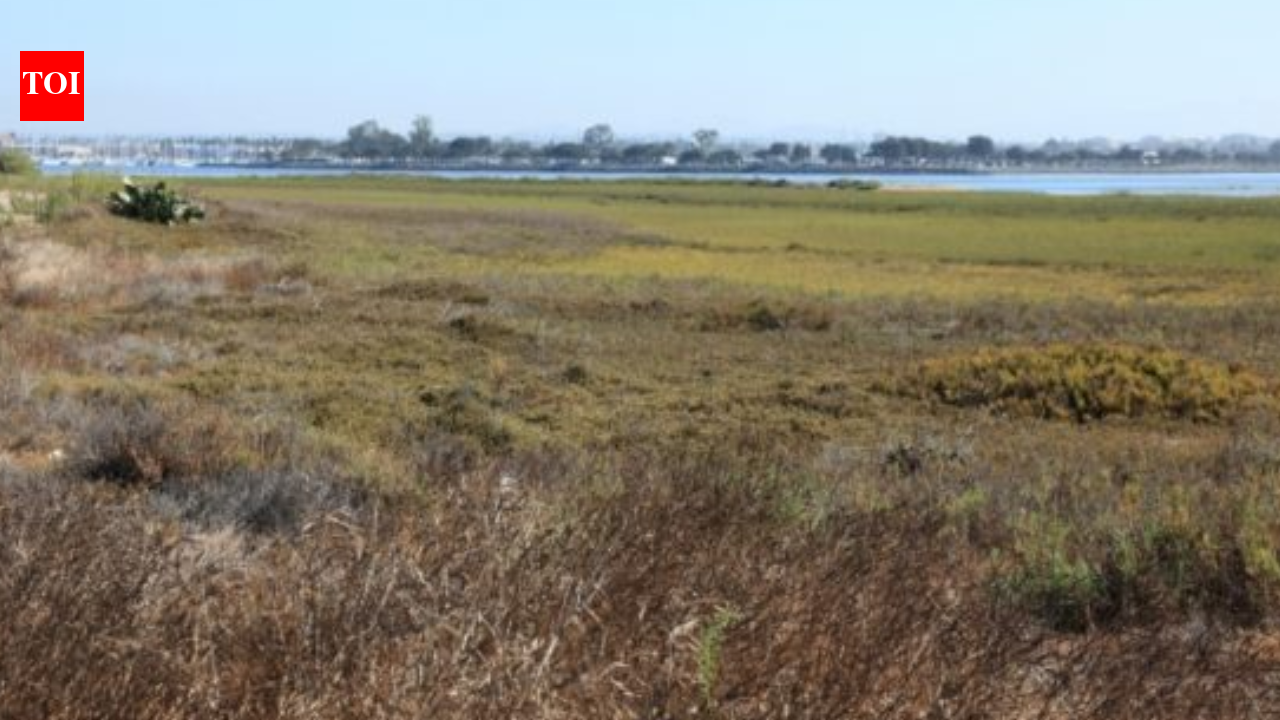
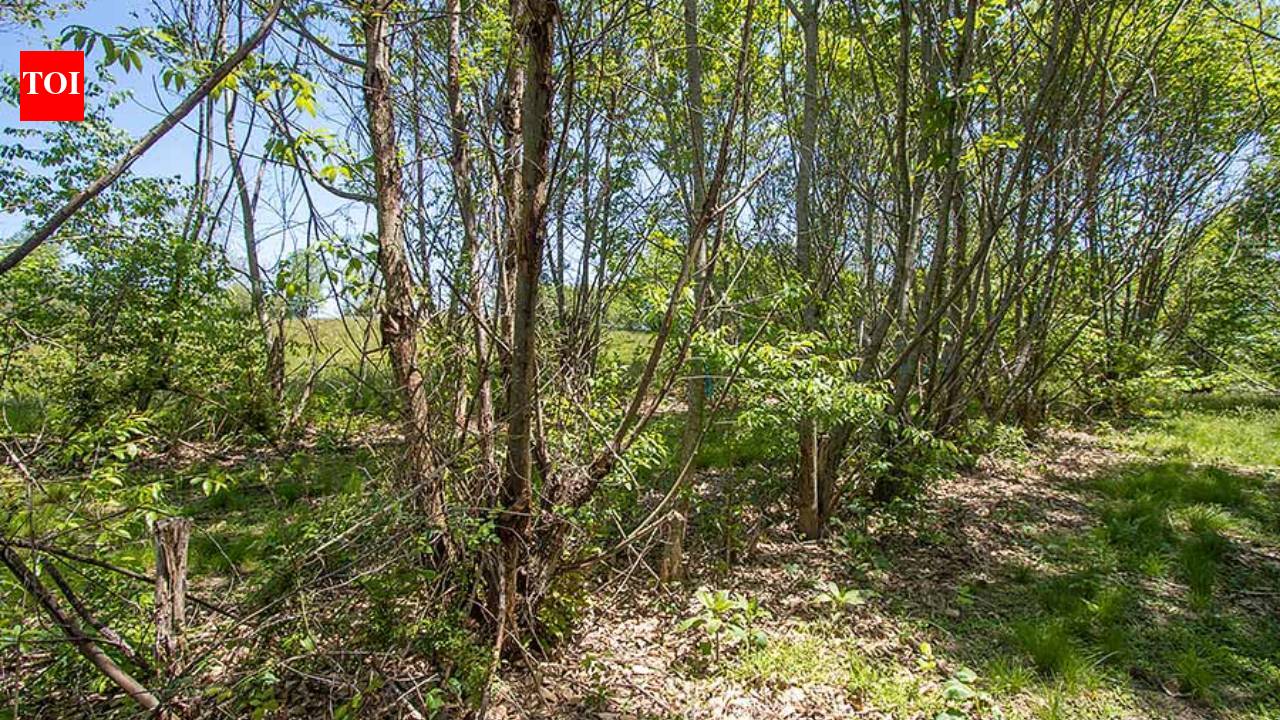
South San Diego Bay's former salt ponds have been restored to tidal wetlands since the late 2000s through a partnership involving federal, state and local agencies. By 2011, approximately 300 acres were transformed into open water, intertidal habitat, and upland marsh by reshaping areas, creating tidal channels, and reintroducing native plants. The project documented the return of 80 bird species, 22 fish species, and 10 invertebrate species within five years post-restoration. Native vegetation began appearing within a year, including eelgrass crucial for sea turtles.
Written locally by qwen2.5:14b on 2026-10-06,
using this article's own text rather than the other coverage of the
same event (that is the story summary below).
Story summary
In South San Diego Bay, California, parts of the landscape that were once tidal wetlands had been converted into salt ponds, isolating them from natural tides since around 1960. This transformation drastically reduced habitat for wildlife. In the late 2000s, a partnership involving federal, state, and local agencies, along with conservation groups, initiated restoration efforts to revive these areas. By 2011, approximately 300 acres of former salt ponds in the western region, including Chula Vista Wildlife Reserve and Emory Cove, were restored by reshaping degraded land, creating tidal channels, and breaching levees to reintroduce tidal influence. The restoration resulted in the return of 80 bird species, 22 fish species, and 10 invertebrate species, significantly enhancing the ecological value of the bay area.
Written for “Salt Pond Restoration” on 2026-10-06,
grounded in this article and the 0 other(s) covering the same event.
For decades, parts of South San Diego Bay looked very different from the tidal wetlands that once occupied them.
asserted
that → look → them
Former salt ponds had been separated from the bay, limiting natural tidal flows and reducing habitat for wildlife.
asserted
ponds → separate → wildlife
According to the U.S. Fish and Wildlife Service and the Southern California Wetlands Recovery Project, a partnership involving federal, state and local agencies and conservation groups began restoring the landscape in the late 2000s.
uncertain
partnership → accord → 2000s
By 2011, roughly 300 acres across the western salt ponds, the Chula Vista Wildlife Reserve and Emory Cove had been restored.
asserted
acres → restore → ponds
The work included reshaping degraded areas, creating tidal channels, breaching levees to restore tidal influence and establishing native plant communities.
asserted
work → include → communities
Bringing the tides back
Some of the western salt ponds had been cut off from tidal influence since around 1960 or earlier.
asserted
Some → bring → 1960
During restoration, sediment was moved to create a network of channels and the existing levees were breached, allowing water from the bay and the Otay River channel to flow into the restored areas.
asserted
water → move → areas
The U.S. Fish and Wildlife Service says the project ultimately transformed the former salt ponds into a combination of open water, intertidal habitat and upland marsh.
asserted
project → say → water
The restoration was completed in 2011, with planting, maintenance and ecological monitoring continuing for five years afterward.
asserted
planting → complete → years
It became habitat.
asserted
It → become → ?
Wildlife began returning
asserted
Wildlife → begin → ?
The most striking evidence came from the post-construction monitoring programme.
asserted
evidence → come → programme
Over five years, researchers documented 80 species of birds, 22 species of fish and 10 species of invertebrates using the restored site.
asserted
researchers → document → site
The restored wetlands provided feeding and foraging areas for migratory and resident species, while newly established marsh vegetation created habitat for species of conservation concern.
asserted
vegetation → restore → concern
The Southern California Wetlands Recovery Project says more than 90 species of migratory and residential birds are currently benefiting from the broader restoration area.
asserted
species → say → area
Reconnected tidal channels created shallow-water areas that could serve as feeding and spawning habitat, strengthening the ecological value of the bay.
uncertain
that → reconnecte → bay
A wetland begins to rebuild itself
One of the clearest signs of recovery came surprisingly quickly.
asserted
One → begin → recovery
Native plants began appearing within less than a year of the restoration, according to the Fish and Wildlife Service.
uncertain
plants → appear → Service
Researchers also found that the restored site was developing into nursery habitat for fish and invertebrates.
asserted
site → find → fish
Monitoring conducted after construction found natural recruitment of native vegetation, including eelgrass, which is an important food source for eastern Pacific green sea turtles.
asserted
which → conduct → turtles
The project also helped create habitat for the endangered light-footed Ridgway’s rail, one of the restoration effort’s key targets.
asserted
project → create → targets
By 2016, the Fish and Wildlife Service reported successful breeding at the restored site.
asserted
Service → report → site
From salt ponds to living wetlands
The restoration was part of a wider effort to recover coastal habitats that had been heavily altered by development, dredging and filling around San Diego Bay.
asserted
that → live → Bay
Historical losses had left only a fraction of the bay’s original intertidal and salt-marsh habitat intact.
asserted
losses → leave → habitat
Today, the restored landscape also offers people a chance to see the ecological changes firsthand through the Bayside Birding and Walking Trail, where visitors can observe birds using the marsh.
asserted
visitors → restore → marsh
What was once a landscape dominated by former industrial salt ponds has consequently become a functioning piece of the coastal ecosystem again.
asserted
was → dominate → ecosystem
And the five-year monitoring results provide a measurable record of that change: 80 bird species, 22 fish species and 10 invertebrate species using habitat that had once been largely cut off from the tides.
asserted
that → provide → tides
 The Aporia