That is 0 articles you have read today.
The Aporia is free and carries no advertising, so readers are the only
thing paying for it. If you are getting this much out of it, a small
donation is what keeps it independent.
Daily limit reached
You have read 0 articles today.
That is more than the 15 a day The Aporia gives away,
and well past what it can carry on nothing. Your allowance resets at
midnight.
There is no advertising here and nothing about you is sold, so readers
are the only thing paying for it. If the site is worth this much of
your day, it is worth a few dollars.
Everything else stays open: the
maps, the
directory and
search do
not count against this, and neither does re-opening something you have
already read today.
Supreme Court Justice Samuel Alito, aged 76, revealed in a CBS News interview that he considered retiring from the bench earlier this year but ultimately decided to continue serving because he believes he can still contribute positively. During the interview, Alito also addressed concerns about his political influence and clarified that his rulings have been independent of the current administration's interests.
Written locally by qwen2.5:14b on 2026-10-05,
using this article's own text rather than the other coverage of the
same event (that is the story summary below).
Story summary
Supreme Court Justice Samuel Alito, age 76, told CBS News chief legal correspondent Jan Crawford in an interview set to air Monday that he considered retiring at the end of this year's term but decided to stay because he still believes he can make a valuable contribution. He stated it is something he has to think about every year due to his age. Alito also mentioned that criticism from political leaders, including former President Joe Biden and current President Donald Trump, can be "quite damaging" to the institution of the Supreme Court. With Republicans controlling the Senate, if Alito were to retire now, Trump could potentially appoint another conservative justice, adding a fourth Trump-nominated justice to the court's 6-3 conservative majority.
Written for “Alito Considering Retirement” on 2026-10-05,
grounded in this article and the 12 other(s) covering the same event.
Why this leaning score
This article does not take a side on a contested political
question, so it has no leaning score. That is an
answer rather than a gap: a match report or a rescue can be warmly
or critically written without being left or right, and scoring it
anyway is how approval of a subject gets recorded as a political
position.
No political leaning scored for article 57793 · logged 2026-10-05
- Sign up HERE for our weekly DC Insider newsletter - your guide to what's rocking Washington, rattling the White House and setting tongues wagging on Capitol Hill
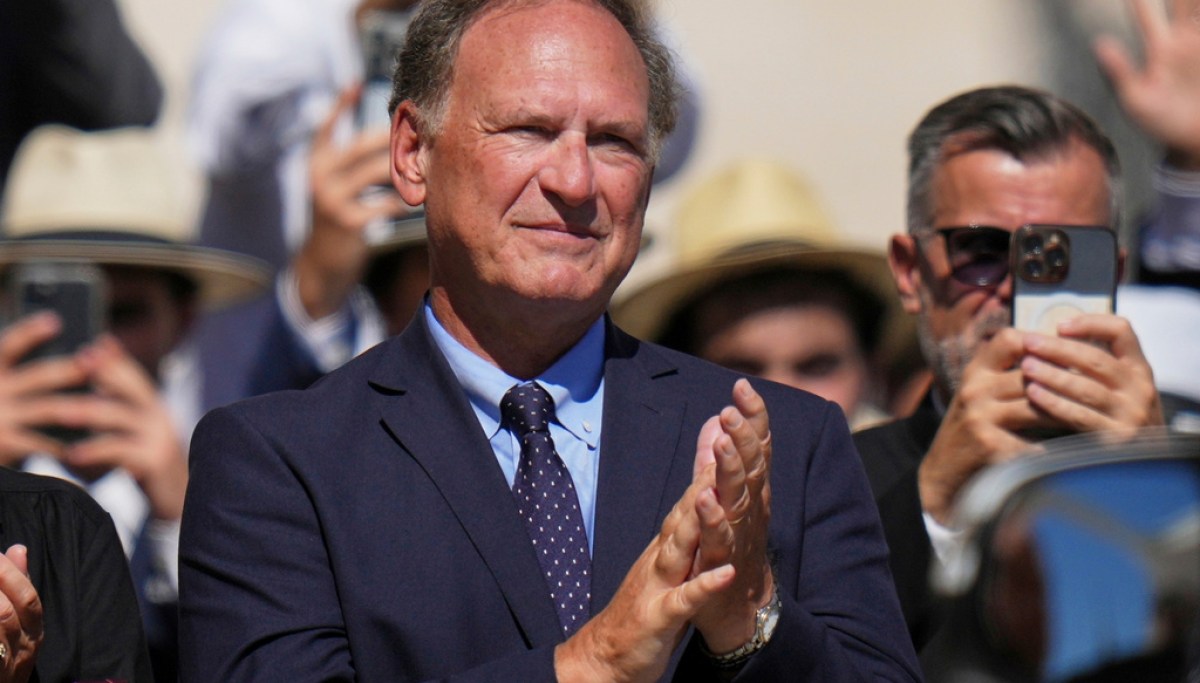
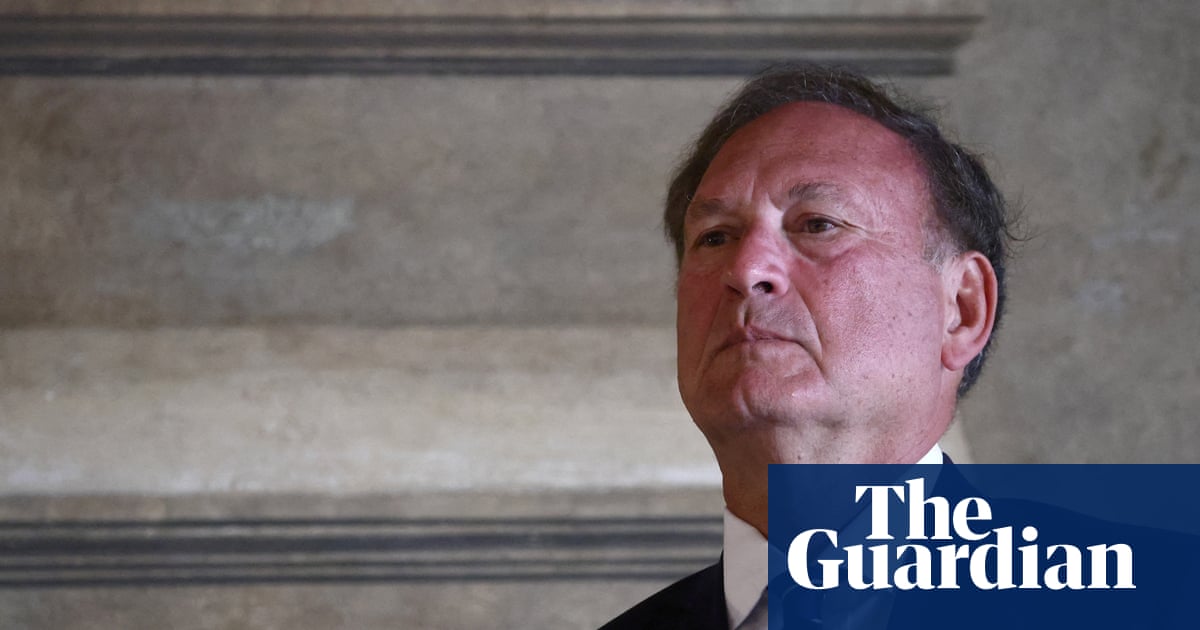
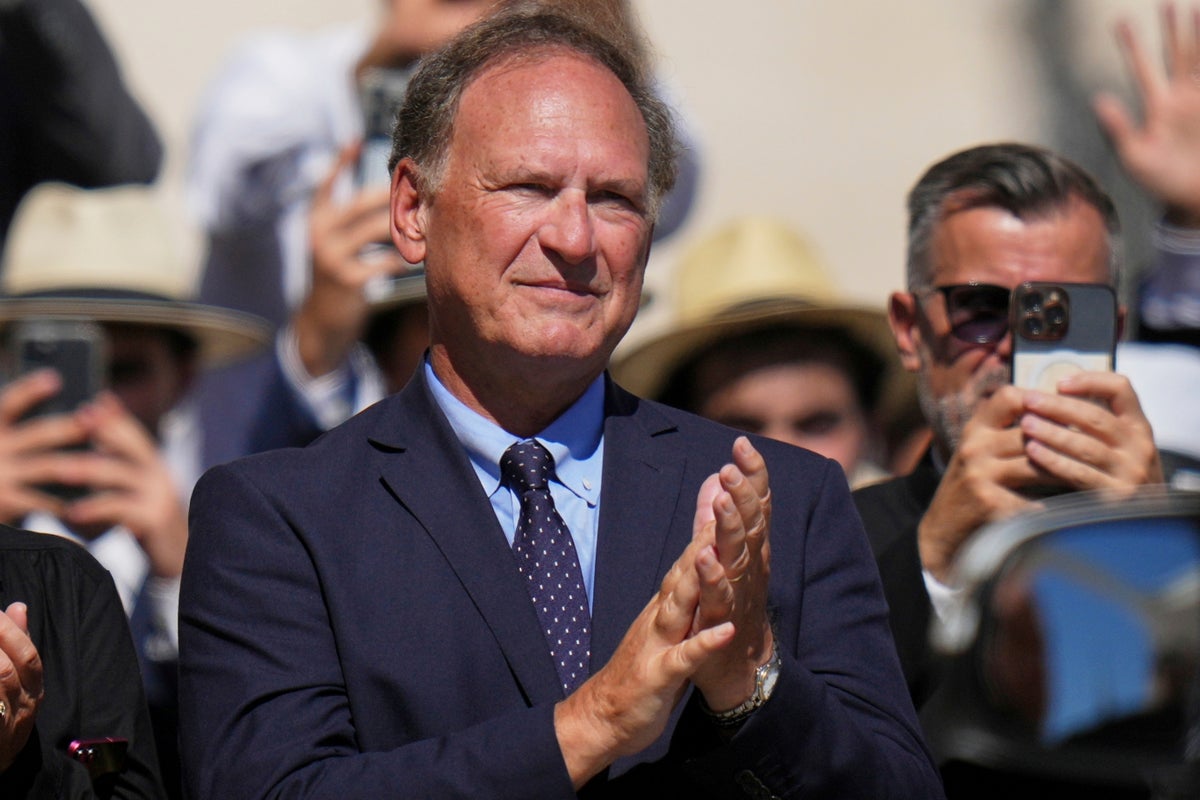
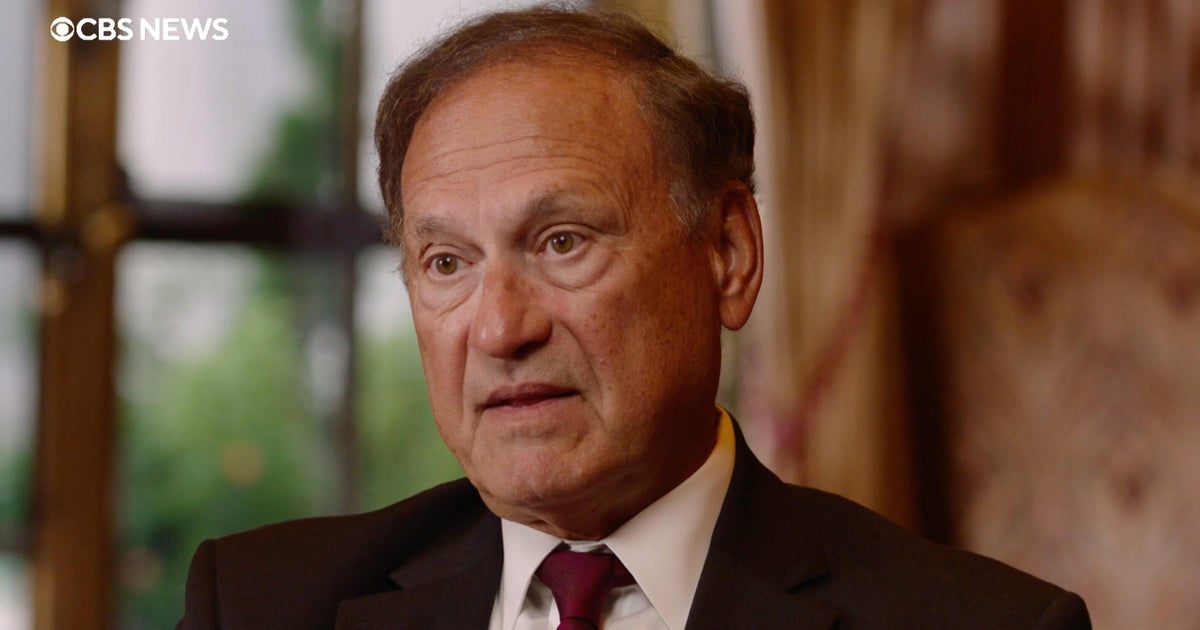
Supreme Court Justice Samuel Alito says he considered retiring from the high court earlier this year, but declined to do so because he believes he can still make a contribution.
asserted
he → sign → contribution
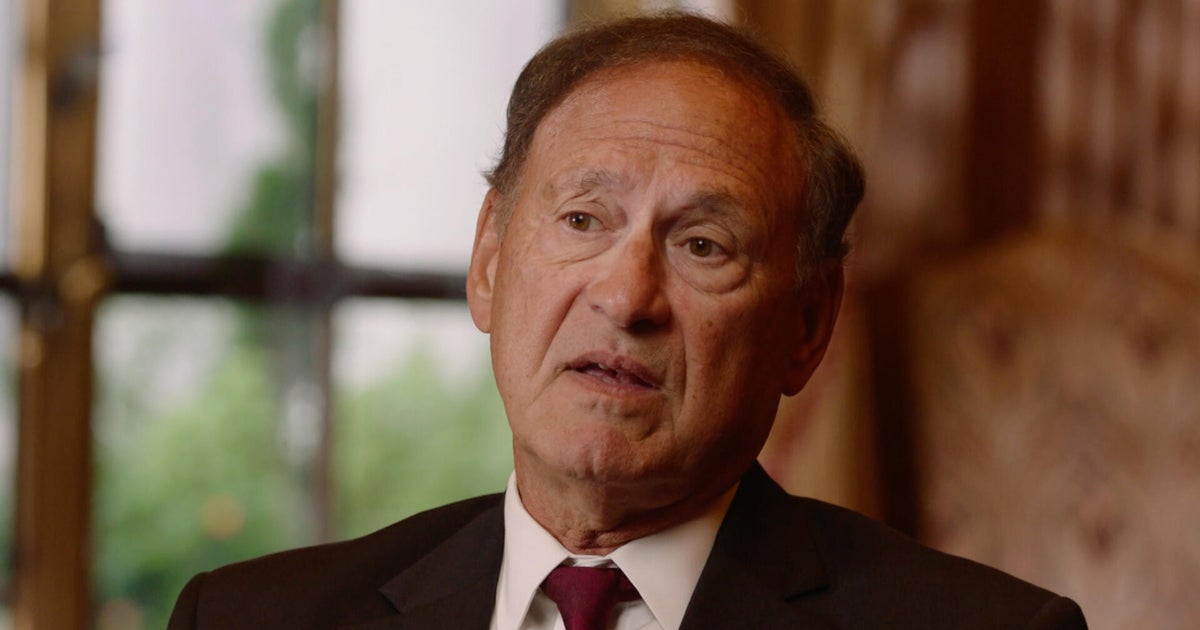
Alito acknowledged as much in a wide-ranging interview with CBS News -where he fielded questions ranging to his 'legacy' (Alito refuses to consider it while on the bench), the flurry of emergency docket rulings, and the number of cases in which he has ruled in favor of President Donald Trump.
asserted
he → acknowledge → Trump
On the issue of retirement, the 76-year-old Alito said he briefly weighed stepping down - citing the two decades he's spent the high court, and his age.
asserted
he → say → court
Retirement is 'something I think that somebody at my age has to think about every term,' he told CBS News' Jan Crawford.
asserted
he → think → Crawford
The thought among some had been that Alito's retirement would give Trump room to nominate another justice to the Supreme Court - though the justice rejected that notion outright.
asserted
justice → give → notion
Politics, he told CBS, was not a factor in his thinking.
asserted
he → tell → thinking
Rather, Alito said, 'I think I can still make a contribution.'
asserted
I → say → contribution
'And it's hard to give up the opportunity to do something that I think will be good for the Constitution and good for the country as long as I'm able to do it.'
Alito also brushed aside questions as to whether he'd factored in his own role and influence on the court in deciding to stay.
asserted
he → give → court
Alito spoke to CBS News in a rare, wide-ranging interview about his time on the bench
Chief
asserted
Alito → speak → bench
Supreme Court Justice John Roberts and his colleagues attend Trump's address to a joint session of Congress in 2025
Supreme Court justices are seen posing for their group portrait
'It's too hard to predict what the political situation will be,' he said, 'and what any president might do with respect to a replacement.'
uncertain
president → attend → replacement
Alito also addressed a recent Wall Street Journal report that showed he has sided with Trump more than any other justice on the high court.
asserted
he → address → court
Asked by CBS News whether he would have ruled in the same way whether Trump was not in office, Alito insisted that he would.
asserted
he → ask → office
'I absolutely sincerely believe that I would,' Alito said in the interview.
asserted
Alito → believe → interview
'I'm not trying to decide cases to help President Trump,' he added.
asserted
he → try → Trump
'And I have not decided cases in the past to help or hurt any other president or presidential administration.'
Alito was nominated by President George W Bush and confirmed by the Senate 58-42 in January 2006, replacing Sandra Day O'Connor.
He is best known as the author of the 2022 Dobbs decision that overturned Roe v. Wade and ended the constitutional right to abortion, in which he wrote that Roe was 'egregiously wrong from the start.'
asserted
Roe → decide → start
He also made headlines in 2010 when cameras caught him mouthing 'not true' as President Obama criticized the court's Citizens United ruling during the State of the Union.
asserted
Obama → make → Union
 The Aporia