Former NFL star Chris Johnson, who recently revealed that he is living with ALS at just 39, is helping revive the viral phenomenon that once filled social-media feeds with celebrities, athletes, and millions of ordinary fans dumping buckets of freezing water over their heads.
asserted
celebrities → reveal → heads
Johnson’s efforts come as football is confronting a range of unsettling neurodegenerative findings.
asserted
football → come → findings
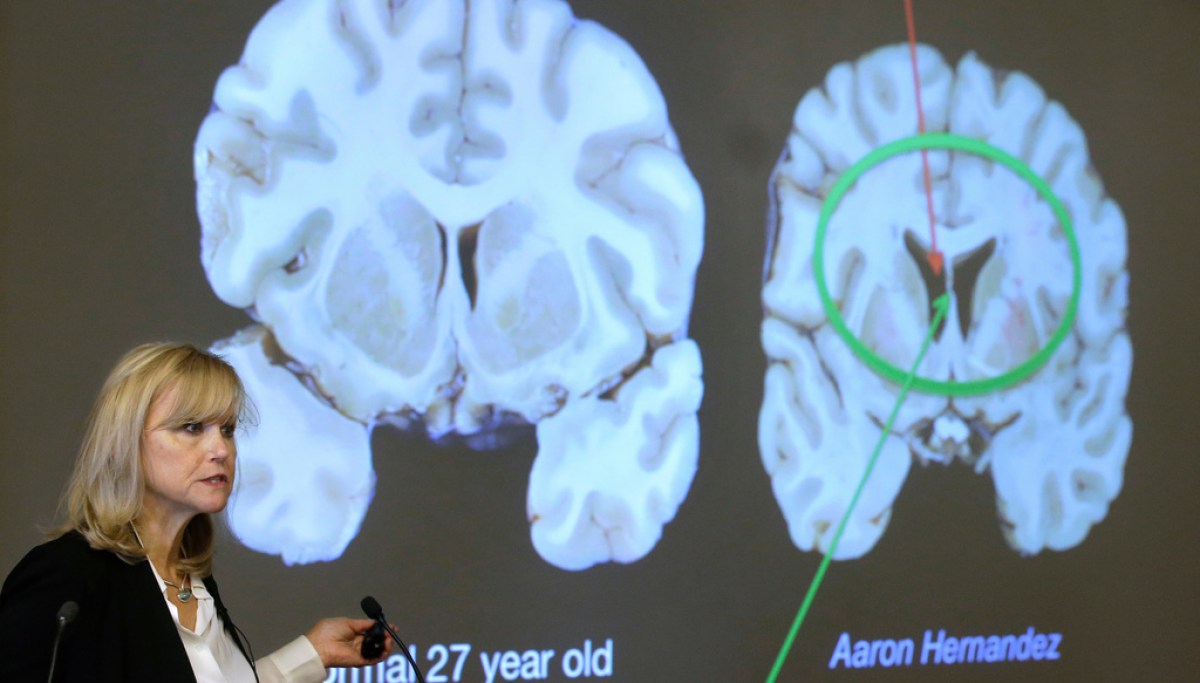
An August 2026 BMJ study found that at least one in four former NFL players who died between 2016 and 2021 had chronic traumatic encephalopathy, or CTE.
asserted
who → find → encephalopathy
Researchers believe the true prevalence could vary substantially because only a small, self-selected fraction of former players underwent postmortem examination.
uncertain
fraction → believe → examination
This alarming finding follows a July 2026 Lancet study of nearly 20,000 former NFL players, which found that those who died of ALS before age 50 did so at rates dramatically higher than their peers in the general population.
asserted
who → follow → population
These studies do not mean football causes every case of CTE or ALS, nor do they solve complex mysteries surrounding neurodegenerative disease.
asserted
they → mean → disease
What they demonstrate is something more fundamental: Like a football coach scanning post-game statistics, we cannot understand patterns without the data to reveal them.
asserted
we → demonstrate → them
Scientists are still trying to understand why people develop diseases like ALS, Parkinson’s, and frontotemporal degeneration, or FTD.
asserted
people → try → ALS
Genetics explains some cases, but not all.
asserted
Genetics → explain → cases
Researchers are also investigating environmental and occupational factors.
asserted
Researchers → investigate → factors
(Parkinson’s, for example, has been linked to exposure to certain pesticides, including paraquat, which the EPA is vowing to investigate).
asserted
EPA → link → which
But finding these types of connections requires more than individual medical records.
asserted
finding → find → records
It requires understanding where diseases are occurring, and whether diagnoses cluster around particular occupations, communities, or exposures.
asserted
diagnoses → require → occupations
Yet our systems for detecting those signals remain underdeveloped.
asserted
systems → detect → signals
CTE illustrates the problem dramatically: Because it can currently be definitively diagnosed only after death, researchers have had to painstakingly build datasets, brain by donated brain.
asserted
researchers → illustrate → brain
Other neurodegenerative diseases present different challenges, but the underlying need is similar.
asserted
need → present → challenges
We need better population-level information.
asserted
We → need → information
And this is where celebrity spotlights, like the Ice Bucket Challenge, can change the game.
asserted
spotlights → change → game
Bruce Willis’s diagnosis with FTD, for example, transformed a disease most Americans had never heard of into a national conversation.
asserted
Americans → transform → conversation
His wife, Emma Heming Willis, has since become an outspoken advocate for families affected by FTD — and for efforts to collect better information about it.
asserted
wife → become → it
Heming Willis, for example, played a key role in promoting California Senate Bill 1047, a bipartisan proposal that would add FTD to the state’s Neurodegenerative Disease Registry, which already tracks Alzheimer’s, Parkinson’s, ALS, multiple sclerosis, Huntington’s disease, and others.
asserted
which → play → Alzheimer
The bill passed the state Legislature last week and is headed to Gov. Gavin Newsom’s desk.
asserted
bill → pass → desk
But the significance extends beyond one disease or one bill.
asserted
significance → extend → disease
Registries and data empower researchers to identify patterns that physicians, hospitals, and families would not otherwise see.
asserted
physicians → empower → that
And that’s crucial because, individually, a diagnosis is a tragedy.
asserted
diagnosis → ’ → ?
Collectively — from farmers to football players — diagnoses become a signal.
asserted
diagnoses → become → players
The original Ice Bucket Challenge put ALS on the pop-culture map.
asserted
Challenge → put → map
Willis’s diagnosis has brought unprecedented attention to FTD.
asserted
diagnosis → bring → FTD
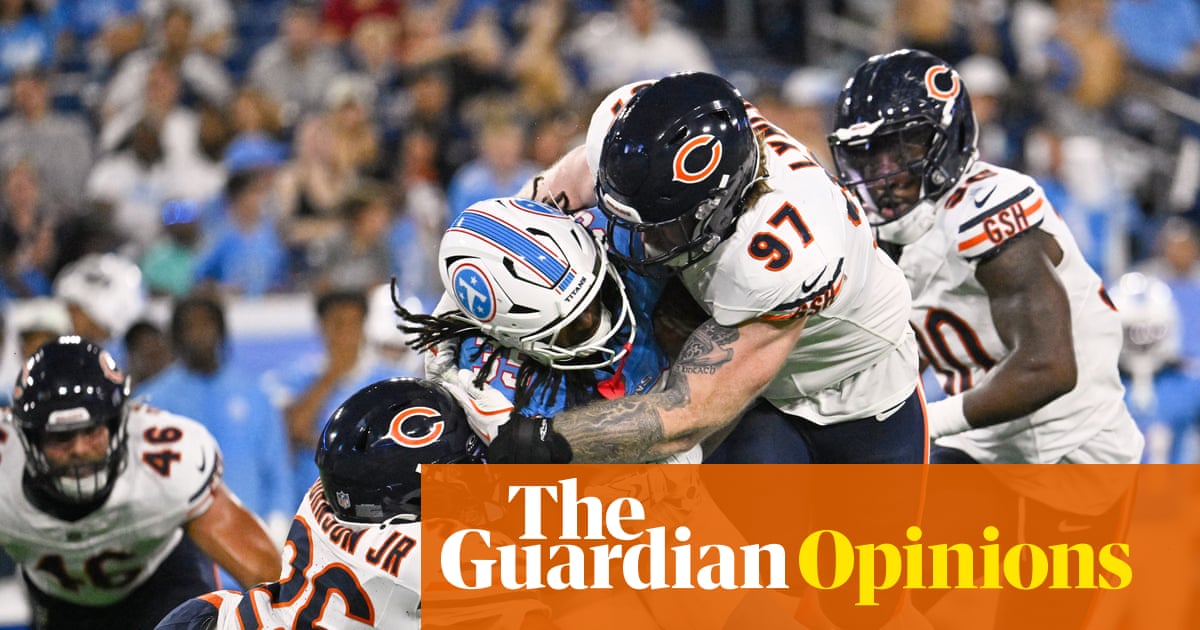
And football’s reckoning with CTE is forcing Americans to confront brain-health questions that were once largely confined to laboratories.
asserted
that → force → laboratories
We should not have to wait for a beloved actor to receive a devastating diagnosis, an NFL star to disclose an illness, or researchers to reconstruct decades of disease after death to discover patterns that may have been hiding in plain sight during life.
uncertain
that → have → life
Better data can help.
asserted
data → help → ?
 The Aporia