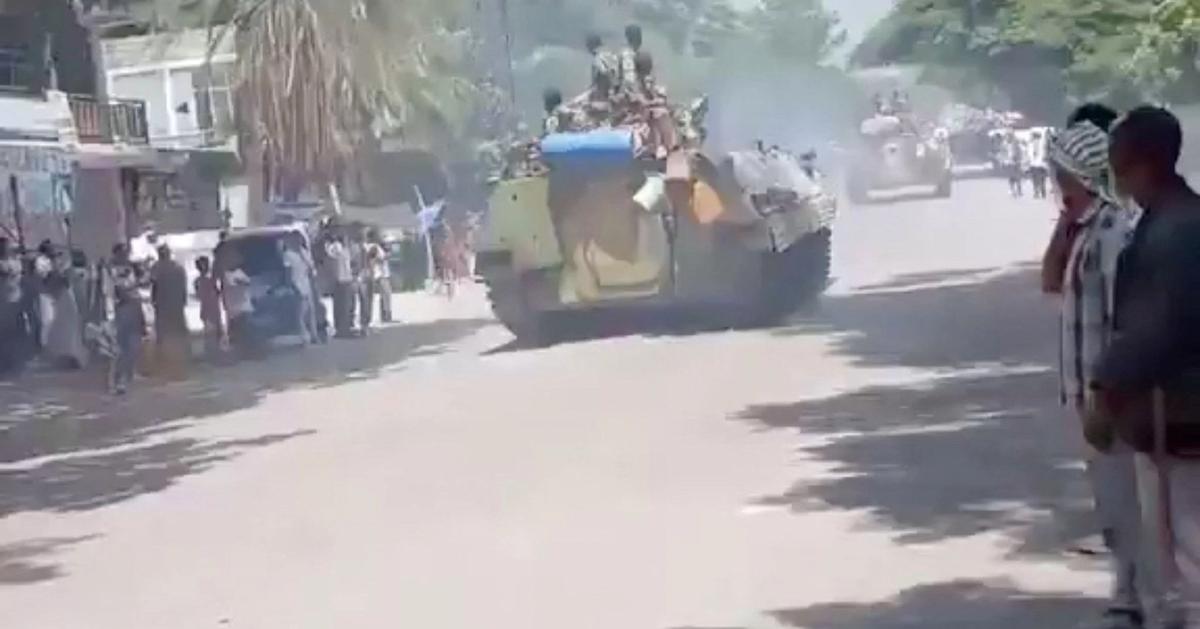
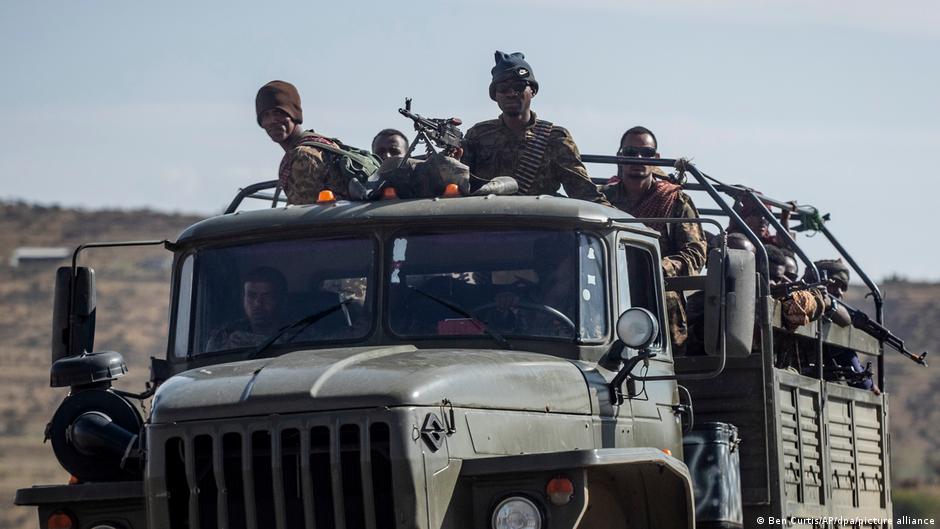
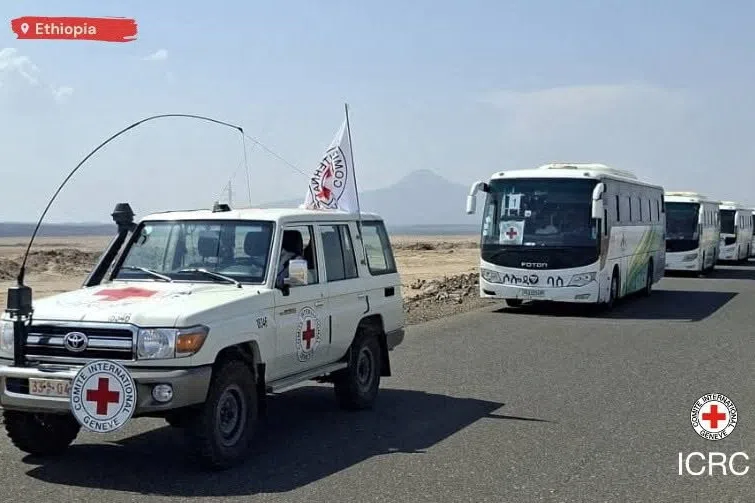
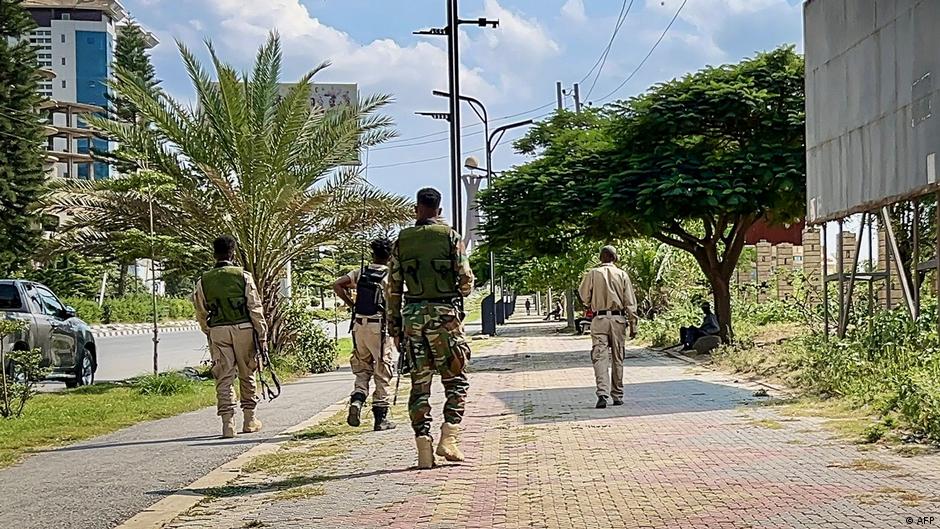
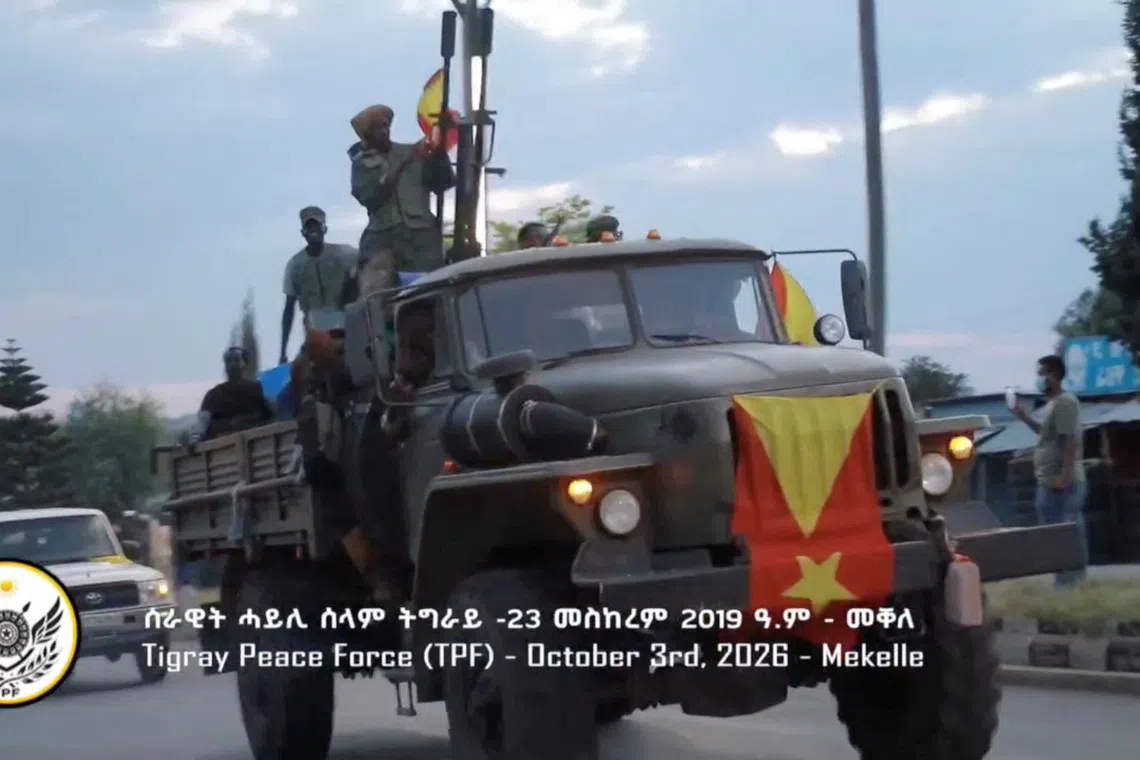
Ethiopia is experiencing renewed conflict as opposition groups launch attacks across multiple regions against Prime Minister Abiy Ahmed’s government. The fighting includes battles along key economic routes and drone strikes near Addis Ababa, with the military now pushing back the TPLF in Tigray. Neighboring countries like Egypt are reportedly supporting Ethiopia's armed opponents due to concerns over Abiy’s expansionist policies, raising fears of regional instability affecting US interests such as counterterrorism and Red Sea security. The U.S., however, has not taken a neutral stance, instead issuing sanctions against Tigrayan officials in June and blaming them for recent offensives, suggesting an imbalance in its diplomatic approach.
Written locally by qwen2.5:14b on 2026-10-05,
using this article's own text rather than the other coverage of the
same event (that is the story summary below).
Story summary
On October 5, airstrikes and artillery fire hit northern Ethiopia's Tigray region overnight into Monday morning, according to aid sources. This came almost two weeks after clashes began between federal government forces and the Tigray People’s Liberation Front (TPLF), raising fears of a wider conflict. Government-allied fighters entered Mekelle, the capital of Tigray, on October 3 as the TPLF announced its withdrawal from the city to avoid civilian casualties. The TPLF had previously seized control of Mekelle and the airport but retreated as federal forces pushed back into the region. This development is seen as a significant setback for the rebels and raises concerns about potential looting and lawlessness in Mekelle due to the absence of security forces. Analysts warn that the fighting could escalate, drawing in neighboring countries such as Eritrea, Sudan, and Egypt, all of whom deny supporting either side. The African Union and international actors like the US are calling for restraint and dialogue to prevent further destabilization in the Horn of Africa.
Written for “Ethiopia Tigray Conflict” on 2026-10-05,
grounded in this article and the 20 other(s) covering the same event.
A week after a coalition of seven opposition groups announced an alliance to overthrow the government of Ethiopian Prime Minister Abiy Ahmed, fighting has broken out across several regions of the country of 130 million people.
asserted
fighting → announce → people
Led by the Tigrayan People’s Liberation Front, the militias of Ethiopia’s largest regions of Amhara and Oromia have also pledged their support.
asserted
militias → lead → support
Early battles have taken place along a critical commercial route leading east to the port of Djibouti, while drone strikes were carried out around the army’s main airbase near the capital, Addis Ababa.
asserted
strikes → take → capital
The choice of economic and political targets reflects the reality that even though the Tigrayans are weaker militarily than in their previous war that ended in 2022, they can still create asymmetric pressure on the government.
asserted
they → reflect → government
Ethiopia’s army is now quickly regrouping and is pushing the TPLF back into Tigray, where government forces have retaken the regional airport and now occupy the capital, Mekelle.
asserted
forces → regroup → capital
As the conflict moves into urban areas, the risk of displacement and civilian casualties grows.
asserted
risk → move → displacement
And in a region already suffering from aid shortages, and anticipating even greater food insecurity from this year’s El Nino, humanitarians are rightly nervous about a potential catastrophic fallout.
asserted
humanitarians → suffer → fallout
But the Tigrayans and their “Alliance for Survival” allies believe they have an ace up their sleeves.
asserted
they → believe → sleeves
A coalition of neighboring states, led by Egypt and including Eritrea, Sudan, and Somalia have reportedly been working in the background to support the Prime Minister’s armed opponents.
uncertain
coalition → lead → opponents
Abiy’s announcement of building three new hydroelectric dams on the Nile, along with his threatening claims on the Eritrean port of Assab, and his army’s support for the Rapid Support Forces militia next door in Sudan have made him no friends across the region.
uncertain
him → build → region
All would like to see his ambitions contained.
asserted
ambitions → like → ?
With a fully internationalized conflict already raging in neighboring Sudan and long-time foe Eritrea poised to enter the fight on the side of the Tigrayans, the risk that Ethiopia’s conflict converges with existing regional instability and animosities is high.
asserted
conflict → internationalize → instability
The fallout from a regional war on US priorities from counterterrorism to Red Sea security would be disastrous, which raises the question why isn’t the Trump Administration doing more to stop it?
asserted
Administration → raise → it
On Oct. 4, the State Department urged Ethiopia and Eritrea to “exercise maximum restraint,” though curiously did not address the current fighting by Ethiopia’s internal armed groups.
asserted
Department → urge → groups
But back in June, the State Department sanctioned a group of Tigrayan officials for “undermining resolution to the crisis in Tigray” and last week the US ambassador in Addis blamed Tigrayans for their “poor decision to launch a large-scale offensive.”
asserted
ambassador → sanction → offensive
None of this suggests an even-handed approach this time around that would enable Washington to mediate an end to the violence as it did in 2022 to end the last Tigray war.
uncertain
it → suggest → war
This time, Washington has picked a side.
asserted
Washington → pick → side
Rubio’s newfound prioritization of commercial diplomacy, reflected in the announcement last week of the sale of $5 billion in Boeing aircraft to Ethiopia’s national airline, speaks to Washington’s focus on economic returns over peacemaking.
asserted
prioritization → reflect → peacemaking
The African Union has called for calm, but only Washington has the political leverage to manage a regional crisis.
asserted
Washington → call → crisis
With Red Sea instability occupying more of Washington’s strategic focus, it would do well to prioritize peacemaking and ensure that Ethiopia’s economic potential is not undone by a descent into a region-wide conflict.
asserted
potential → occupy → conflict
Cameron Hudson is an independent analyst focused on African peace, security and governance.
asserted
Hudson → focus → peace
He previously worked on Africa at the CIA, State Department and the US National Security Council.
asserted
He → work → CIA
 The Aporia