- The price of Brent crude oil, the international standard, hovered Monday around $100 a barrel as Yemen's Saudi-backed government and Iran's Houthi allies battled over control of the Bab el-Mandeb Strait, and amid conflicting reports about a vital Saudi pipeline being hit in a fresh strike.
asserted
government → hover → strike
- Maritime intelligence firm Kpler said over the weekend that Middle East oil exports from nations other than Iran surpassed pre-war levels in September despite ongoing Iranian .
asserted
exports → say → Iranian
The increase is thanks largely to producers using alternative routes via the Red Sea, where the escalating fight with the Houthis could bring more uncertainty this week.
uncertain
fight → use → uncertainty
- After President for reopening the Strait of Hormuz, Iranian officials said Sunday the regime was still reviewing the U.S. response and preparing one of its own.
asserted
regime → reopen → own
Conflicting reports about flow of oil through Saudi Arabia's East-West pipeline after new strike
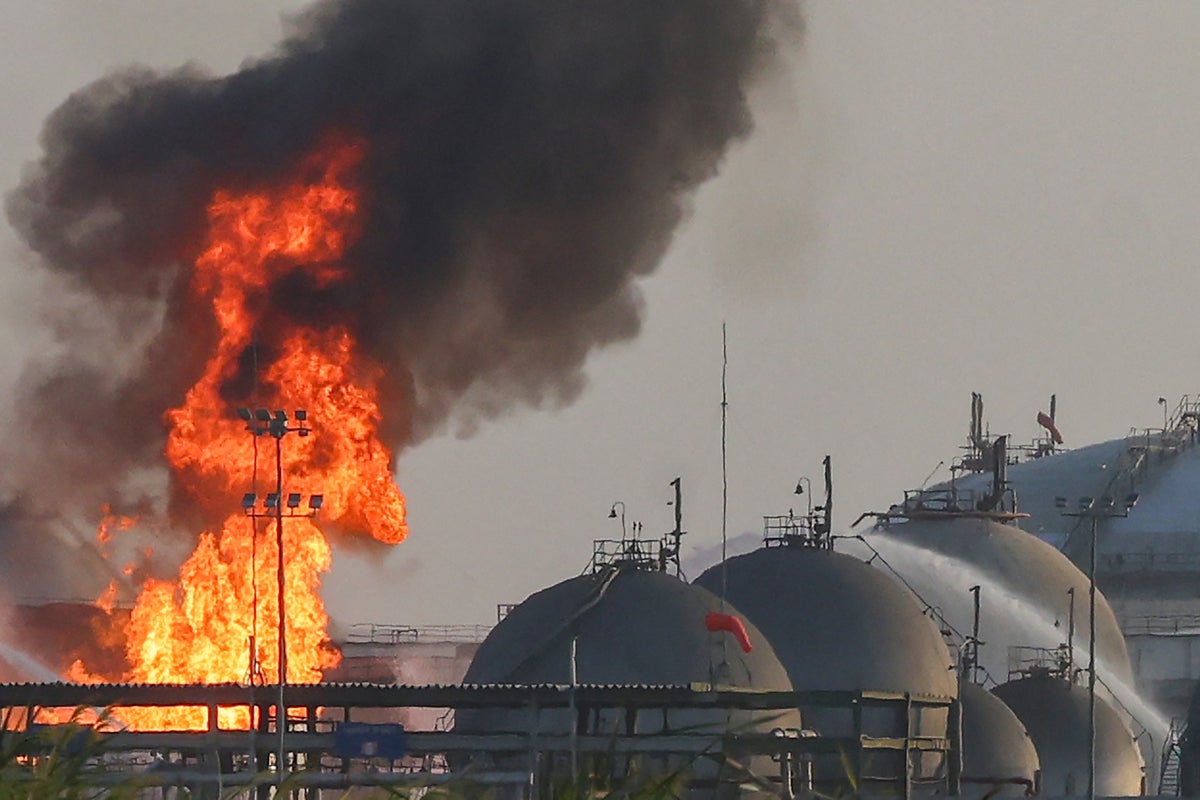
Saudi Arabia's East-West Crude Oil Pipeline was struck again Sunday, a source working in the kingdom's energy sector told French news agency AFP on Monday, adding that the flow of oil through the pipeline had stopped.
asserted
flow → conflict → pipeline
"The East-West pipeline was attacked again yesterday," the source told AFP.
asserted
source → attack → AFP
It wasn't targeted before.
asserted
It → target → ?
There was big damage and the pipeline stopped again."
asserted
pipeline → be → ?
The Reuters news agency reported Monday, however, that oil was still flowing through the pipeline, also citing an unnamed source.
asserted
oil → report → source
Bloomberg also reported that oil was still flowing, citing people familiar with the matter.
asserted
oil → report → matter
News of the strike came a day after the Iran-backed Houthis in Yemen said they had targeted sites in Saudi Arabia belonging to state oil giant Aramco, including infrastructure in Khurais.
asserted
they → come → Khurais
The East-West pipeline has been targeted multiple times since war erupted across the Middle East, following the U.S. and Israel launching joint strikes on Iran at the end of February.
asserted
U.S. → target → February
Last month, Saudi Arabia, the world's top oil exporter, shut the East-West pipeline, which runs about 700 miles between its main oil fields in the east and the Yanbu terminal on the Red Sea.
asserted
which → shut → Sea
The pipeline was shut down from Sept. 11 to 22, according to commodity-tracking platform Kpler.
CBS/AFP
uncertain
pipeline → shut → Kpler
Yemen's military announces broad strikes against Houthis, claims control of Bab el-Mandeb Strait
uncertain
military → announce → Strait
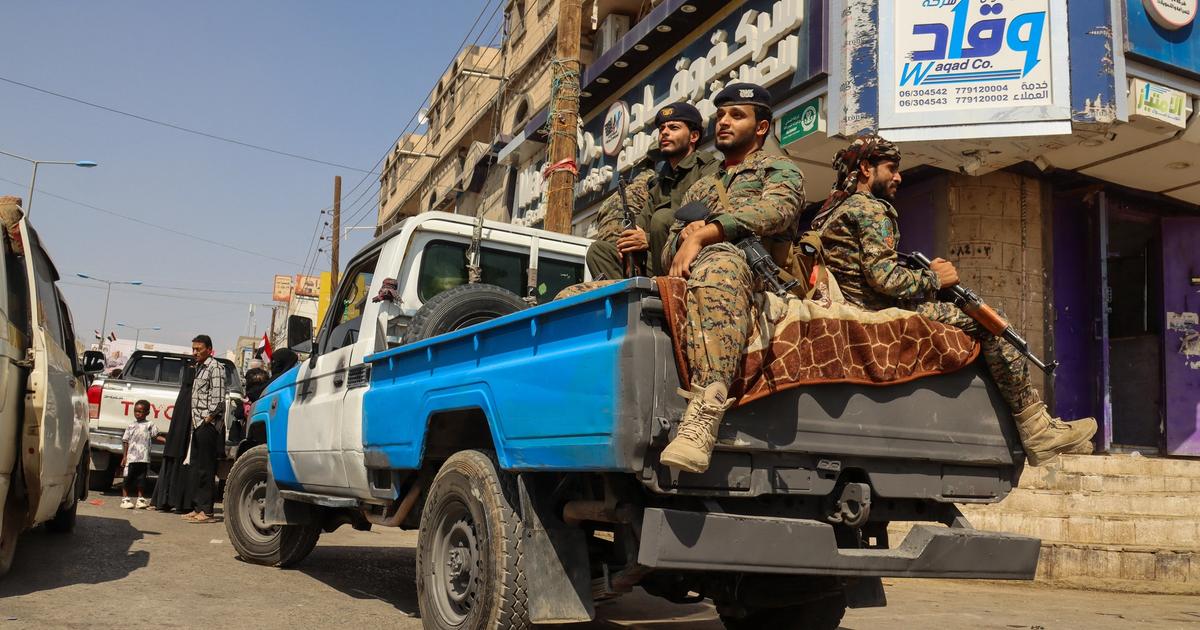
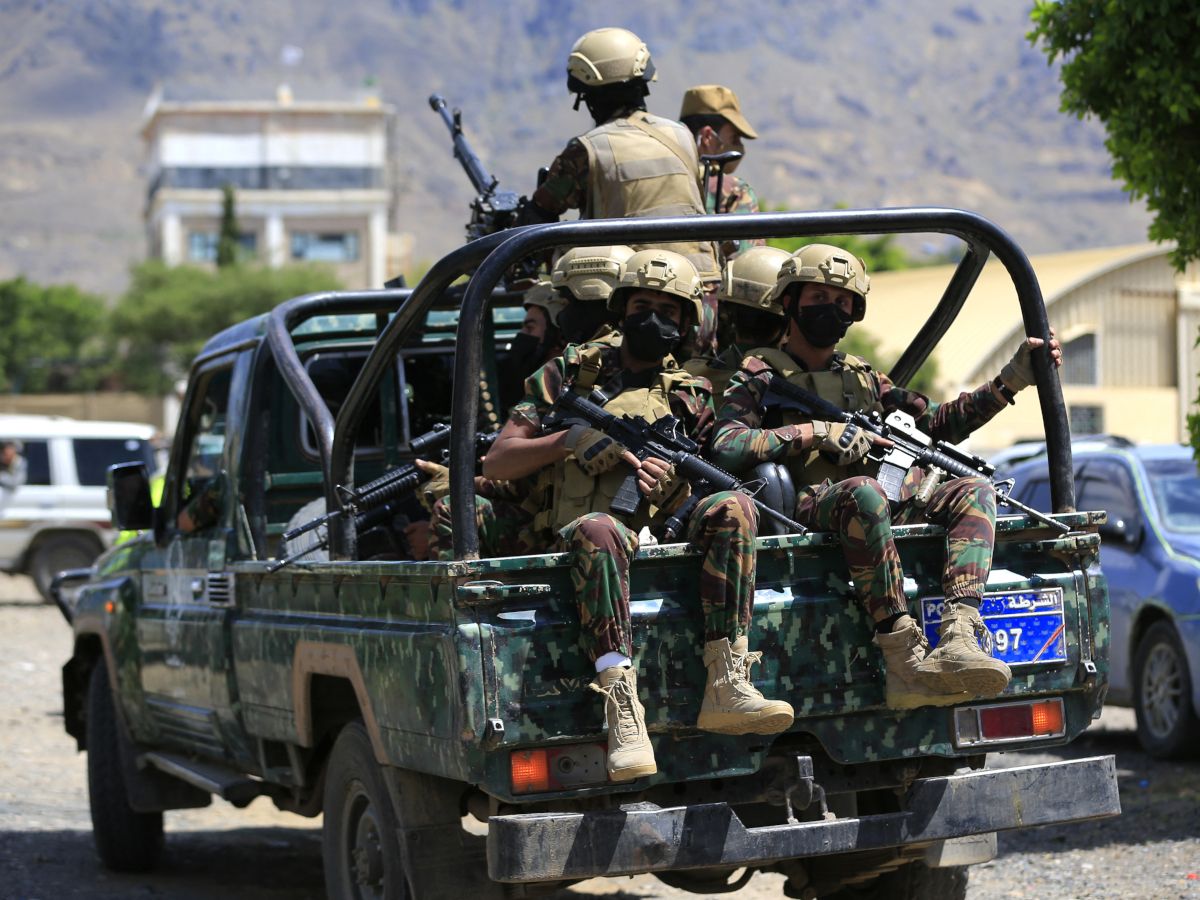
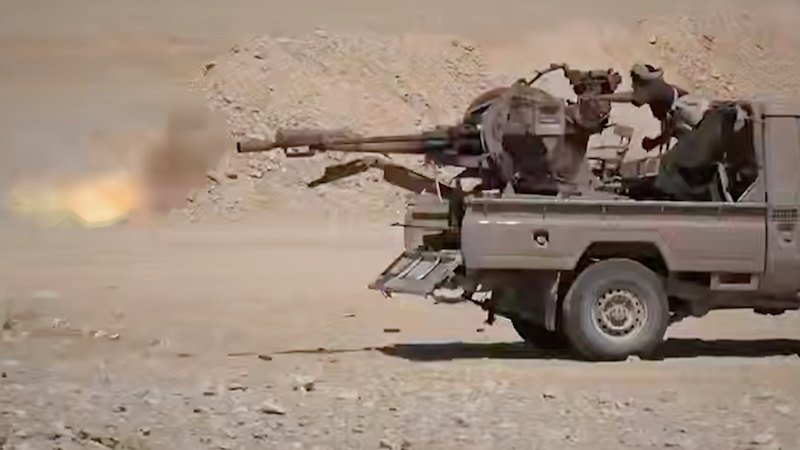
The Yemeni military announced a broad set of strikes against Houthi targets on Monday after the government declared a new campaign to retake all territory from the rebels, even as the Iran-backed group made fresh gains on the ground.
asserted
group → announce → ground
The declared offensive sets a lofty goal for the beleaguered Saudi-backed government a month after it lost swathes of the country's Red Sea coastline, including key territory around the Bab el-Mandeb Strait - a key chokepoint for international shipping.
asserted
it → declare → shipping
Hours after the Yemeni government's announcement, Yemen's military spokesman said its forces launched over 1,000 "strikes against artillery and rocket launcher positions, defensive fortifications, approach and reinforcement routes, supply lines and logistics assets, combat reinforcements" belonging to the Houthis.
asserted
forces → say → Houthis
He later said the military had taken back control of the Bab el-Mandeb strait.
asserted
military → say → strait
Houthi-aligned media earlier denied government forces had retaken territory in the area, the Reuters news agency reported.
asserted
agency → align → area
The government strikes appear to have had little immediate impact on the Houthis' ongoing advances on the ground.
asserted
strikes → appear → ground
On Sunday, the group effectively encircled the key city of Taiz after cutting the main supply route linking it to the interim government capital of Aden.
asserted
group → encircle → Aden
Fighting between the two sides in and around Taiz province killed more than 70 people in a single day, sources from both sides of the conflict told the French news agency AFP on Sunday.
asserted
sources → kill → Sunday
The agency previously reported that 80 combatants had been killed on Friday.
asserted
combatants → report → Friday
Iran's top diplomat says only talks can end the war, not military moves
Iran's foreign minister insisted on Sunday that there would be no military solution to the United States' war against the Islamic republic, with talks on ending the conflict apparently at an impasse.
asserted
talks → say → impasse
A campaign of heavy U.S. bombardment failed to bring a decisive close to the war as it began, and Washington has dialed back military operations in recent weeks in favor of economic pressure.
asserted
Washington → fail → pressure
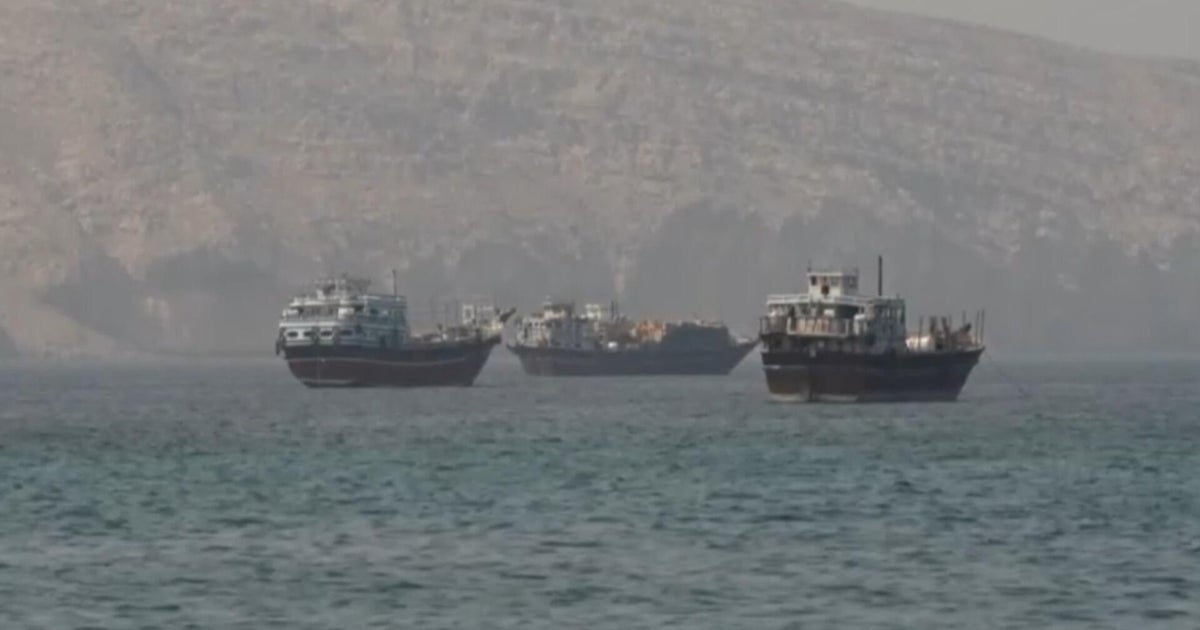
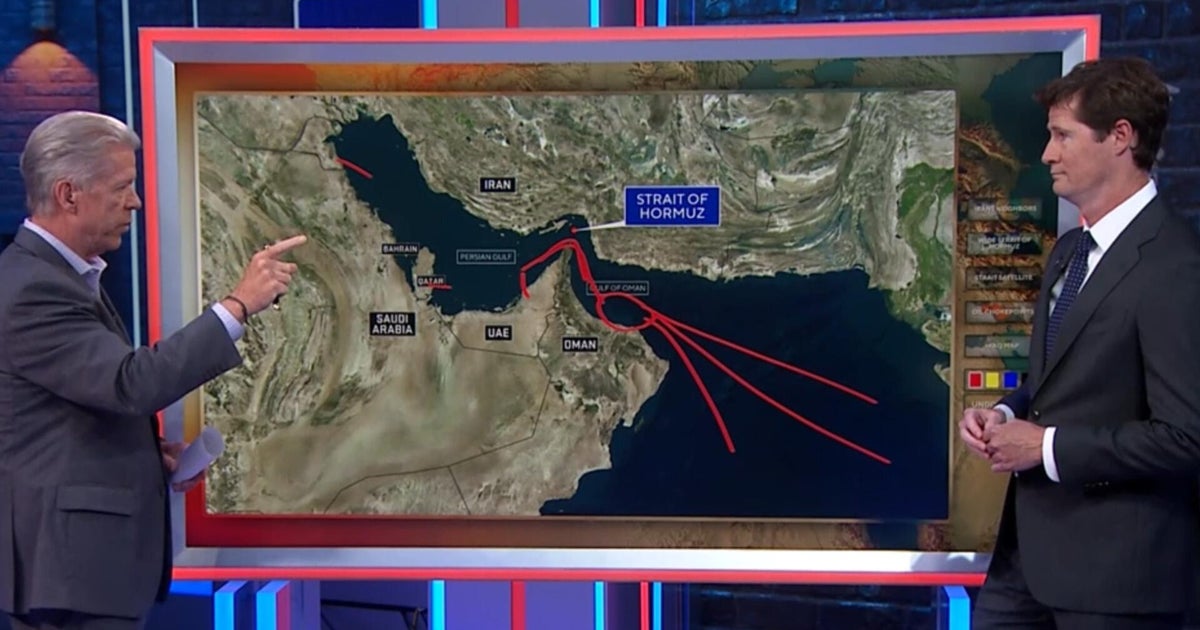
The main point of contention remains Iran's continuing attempt to blockade the Strait of Hormuz, a vital conduit for Gulf oil and gas where a U.K. maritime agency reported on Sunday that another tanker had been struck by an unknown projectile.
asserted
tanker → remain → projectile
"If our enemies again choose the path of military confrontation, our response will be stronger than before, and we will defend ourselves with even more force," Abbas Araghchi said at a gathering of his counterparts.
asserted
Araghchi → choose → counterparts
"There is no military solution, nor any solution based on new sanctions," he continued, adding "only negotiations based on justice and fairness" could end the conflict.
uncertain
negotiations → be → conflict
The two sides signed a memorandum of understanding in June that spelled out a framework for a permanent resolution, but Iranian attacks on vessels in the strait prompted the U.S. to resume military operations.
asserted
attacks → sign → operations
Iran has sought to impose its control over the vital shipping lane since the start of the war, striking vessels that try to transit without its authorization.
asserted
that → seek → authorization
The U.S. has imposed a counterblockade of Iranian ports and has struck vessels it accuses of violating the countermeasure.
asserted
it → impose → countermeasure
Mideast oil exports exceeded pre-Iran war levels last week, tracking firm says
Middle East oil exports, excluding those from Iran, surpassed their pre-war levels last week, despite attacks on ships in the Strait of Hormuz, according to data from the maritime tracking firm Kpler.
For the first time since the U.S. and Israel launched their offensive against Iran at the end of February, the weekly average of shipments rose for several days above the pre-conflict average of 18 million barrels per day.
Crude oil exports reached pre-war levels in September, with at least 16.5 million barrels leaving the region excluding Iran, Kpler said.
uncertain
Kpler → exceed → Iran
"Forty percent now bypass Hormuz, and most crude crossing the strait changes tankers offshore," Kpler said, adding that most of the oil flowed through Saudi and United Arab Emirates pipelines.
asserted
most → bypass → pipelines
Those figures include flows via the Red Sea, a route increasingly used to bypass the blockade Iran is attempting to impose on the strait, through which around a fifth of the world's petroleum supplies crossed before the conflict.
asserted
fifth → include → conflict
Iran still claims control over the strait, and ships without its authorization risk coming under attack, but more and more are making it out, and alternative routes meant to bypass the waterway are operating at full capacity.
uncertain
routes → claim → capacity
Despite the rebound, experts stressed that the situation is far from normal, and Iran is still being deprived of a large share of its own exports by a U.S. counterblockade of Iranian ports.
asserted
Iran → stress → ports
Energy Secretary Chris Wright says Trump was "well aware of the risks to energy flows" before launching Iran war
Energy Secretary Chris Wright said Sunday that President Trump was "well aware of the risks to energy flows" before launching the war in Iran earlier this year, but argued "the world cannot sustain a nuclear-armed Iran."
"He knew it was going to elevate energy prices in the short run, he said, 'I'm going to take a hit there, but I got to do the right thing,'"
."Americans
asserted
I → say → thing
But the Trump administration has pointed to the potential threat a nuclear-armed Iran could pose, and how it could represent a long-term threat to energy prices.
uncertain
it → point → prices
Wright defended the president on Sunday, arguing that Mr. Trump has taken a "strong stand that Iran, the world's greatest terrorist regime, cannot and will not have nuclear weapons."
asserted
Iran → defend → weapons
…and 9 more, not listed.
 The Aporia