Skull fractures found on remains from the royal cemetery at Umm el-Qa’ab near Abydos suggest that servants of Egypt’s earliest kings may have been sacrificed when their rulers died.
uncertain
rulers → find → kings
A new study by bioarchaeologist Roselyn Campbell of Purdue University, published on 5 October 2026 in the journal Frontiers in Environmental Archaeology and reported by Nicola Davis in The Guardian, re-examined skulls first excavated a century ago.
asserted
study → publish → skulls
Eighteen of forty-six skulls showed injuries consistent with death around the time of burial.
asserted
skulls → show → burial
The findings appear to support a theory proposed by the pioneering Egyptologist Flinders Petrie, though the evidence remains incomplete.
asserted
evidence → appear → Egyptologist
How forensic bioarchaeology reexamined skulls from the First Dynasty royal cemetery at Abydos, Egypt
asserted
bioarchaeology → reexamine → Abydos
According to the study ‘
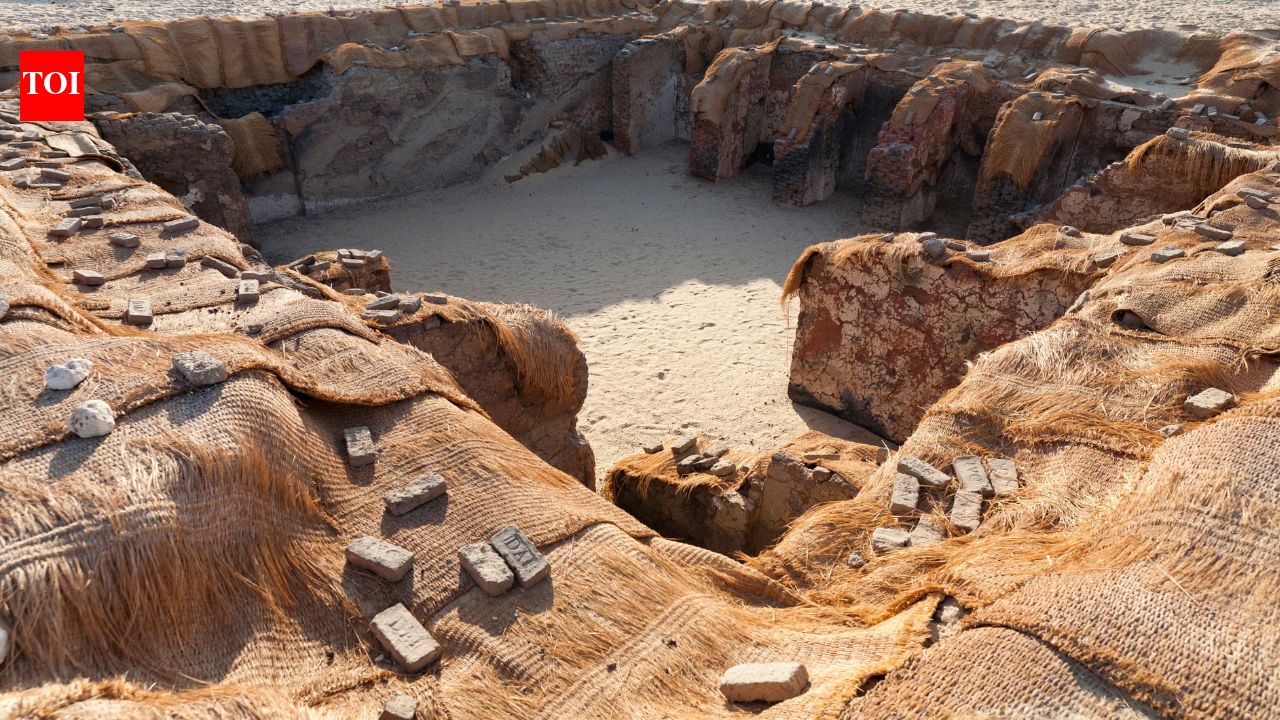
New data from old bones: using bioarchaeology and forensics to reassess legacy data from ancient Abydos, Egypt’ in Frontiers in Environmental Archaeology, the royal cemetery at Umm el-Qa’ab holds the tombs and funerary enclosures of the First Dynasty kings, who ruled roughly five thousand years ago.
uncertain
who → use → kings
Around those structures lie hundreds of smaller graves, which scholars believe belonged to court officials, craftspeople and other members of the royal household.
asserted
scholars → lie → household
The Guardian reports that these graves also include people described as ladies, seal-bearers and inspectors.
asserted
graves → report → ladies
Flinders Petrie excavated many of these graves in the 1920s.
asserted
Petrie → excavate → 1920s
Campbell tracked down forty-six skulls from the graves surrounding the funerary enclosures of King Djer, King Djet and Queen Merneith.
asserted
Campbell → track → Djer
They are held in the Duckworth Collection at the University of Cambridge.
asserted
They → hold → Cambridge
Campbell told The Guardian that the question of retainer sacrifice has been debated for more than a century, but that hers is the first study to examine the human remains from the tombs themselves.
asserted
hers → tell → tombs
Eighteen of forty-six crania exhibit potentially lethal fractures and one injury to the eye
Campbell reports that eighteen of the forty-six skulls, about thirty-nine per cent, showed injuries from around the time of death.
asserted
eighteen → exhibit → death
There were also several sharp-force injuries, including a wound that penetrated the side of the head and a chopping injury to the eye.
asserted
that → be → eye
Campbell explains in the paper that linear fractures of this kind often cause bleeding inside the skull, which can lead to unconsciousness and death without surgery.
asserted
which → explain → surgery
The injuries do not match the famous image of a king smashing enemies with a mace.
asserted
king → match → mace
A stone mace would have caused depressed fractures, which are dents in the bone.
asserted
which → cause → bone
Instead, the linear fractures are more consistent with flat, wide objects made of wood or antler.
asserted
fractures → make → wood
The paper also notes that injuries above the line where a hat brim would sit tend to come from deliberate blows rather than accidental falls.
asserted
brim → note → falls
Why Flinders Petrie missed the evidence of human sacrifice during his excavations of the royal tombs
Petrie suspected that so many people could not have died naturally at the same time, yet he reported no signs of trauma on the bones.
uncertain
he → miss → bones
He even suggested that some individuals might have been stunned and buried alive.
uncertain
individuals → suggest → ?
Campbell argues that Petrie probably did see the cracks but took them for damage caused by the burial environment over time.
asserted
Petrie → argue → time
As evidence, she points to the paraffin wax he applied to stabilise the skulls, which often surrounds the fractures.
asserted
which → point → fractures
Modern forensic science can tell injuries made around the time of death from damage made long afterwards, because fresh bone breaks differently from dry bone.
asserted
bone → tell → bone
The study also finds that the way the skeletons lay does not clearly support burial alive.
asserted
skeletons → find → burial
It further finds that the well-preserved small bones of the hands and feet argue against the theory that the bodies were moved from earlier graves.
asserted
bodies → find → graves
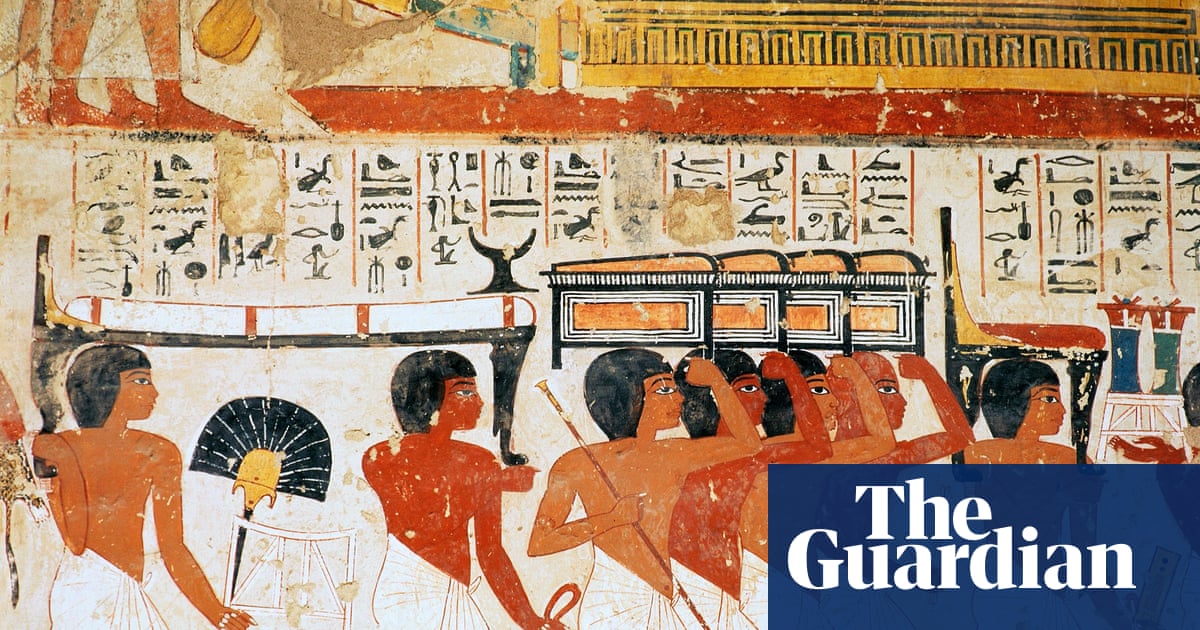
Image: DEA/F Guenet/De Agostini
What experts say about retainer sacrifice and the limits of such a small skull sample
Campbell is careful about what the evidence can prove.
asserted
evidence → say → what
She told The Guardian that for skulls without trauma, sacrifice cannot be confirmed, and that some retainers may have been sacrificed while others were not.
uncertain
others → tell → trauma
The surviving skulls are only a small fraction of the original burial populations, which the study estimates at between five and fifteen per cent at each enclosure.
asserted
study → survive → enclosure
Many of the other bones were lost or reburied together.
asserted
Many → lose → bones
Salima Ikram, a professor at the American University in Cairo, also welcomed the idea, saying the idea was not entirely new but that the paper is one of the few to apply rigorous current methods to these remains.
asserted
paper → welcome → remains
She suggested that some retainers might have welcomed an eternal life serving a god-king, while others could have been terrified and tried to escape.
uncertain
others → suggest → king
Dawn McCormack, an Egyptologist at Samford University in Alabama, said similar sacrifices happened in other cultures and eras, and that such scenes would have been very gruesome.
asserted
scenes → say → cultures
She added that not everyone may have gone willingly.
uncertain
everyone → add → ?
Why the practice ended so quickly in later Egyptian tombs
The number of servant graves around royal tombs dropped quickly and seems to disappear with the start of the Second Dynasty, according to Campbell.
uncertain
number → end → Campbell
Ikram told The Guardian the practice was short-lived because people were replaced by statuettes in later periods.
asserted
people → tell → periods
Campbell’s paper places the finding in a wider context.
asserted
paper → place → context
At the royal cemetery of Ur in ancient Mesopotamia, modern computed tomography scans overturned an earlier belief that attendants had peacefully drunk poison, revealing severe blunt force injuries to the skull instead.
asserted
attendants → compute → skull
At Kerma in Nubia, researchers found no clear trauma but still considered sacrifice the most likely explanation.
asserted
sacrifice → find → trauma
The Abydos study argues that other long-stored excavation collections deserve fresh examination with modern methods.
asserted
collections → argue → methods
 The Aporia