A research project in Wisconsin in the mid-1980s eventually led to the planned reuse of tens of thousands of tons of spent foundry sand in highway construction.
asserted
project → lead → construction
Waupaca Foundry participated in a University of Wisconsin-Madison research study examining whether used foundry sand could be reused in road projects.
uncertain
sand → participate → projects
Sand from Waupaca and two other foundries was tested for potential environmental impacts, including contaminants in pore water and leachate.
asserted
Sand → test → water
In 1990, the research was followed by a pilot project with the Wisconsin Department of Transportation, in which between 15,000 and 20,000 tons of Waupaca's sand were used in highway construction.
asserted
tons → follow → construction
By the time of an EPA case study published in October 2002, Waupaca was under contract to provide 80,000 tons of sand as structural fill for embankments on Highway 10 near the city of Waupaca.
asserted
Waupaca → publish → Waupaca
How Waupaca Foundry's used sand was prepared for Highway 10
asserted
sand → use → Highway
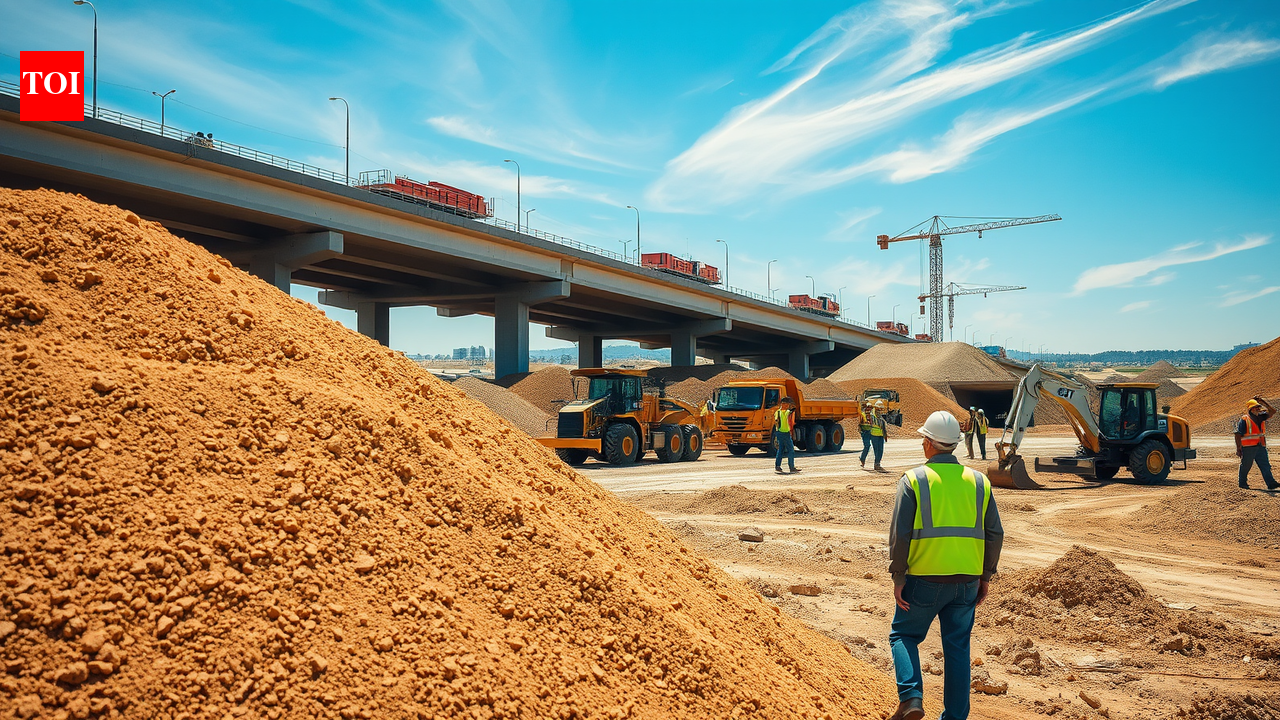
The larger Highway 10 project required the material to be moved and stored before construction.
asserted
material → require → construction
For 10 months starting in 2001, Waupaca hauled its foundry sand to a temporary staging area near the future highway site, ahead of construction work planned for summer 2002.
asserted
Waupaca → start → summer
Because of the foundry's production process, the sand could be used directly as fill without additional screening or treatment.
uncertain
sand → use → screening
The embankment was to be closely monitored with lysimeters to check for leaching.
asserted
embankment → monitor → leaching
The monitoring plan required Waupaca to investigate the cause of any exceedance, test the collected leachate and propose a response if Wisconsin's limits were exceeded.
asserted
limits → require → response
The Wisconsin Department of Transportation also planned to place a clay cap over the completed fill.
asserted
Department → plan → fill
The EPA case study describes this monitoring as planned and does not report monitoring results for the Highway 10 embankment.
asserted
study → describe → embankment
Wisconsin's rules classified foundry sand according to its properties
The reuse of foundry sand was governed by Wisconsin Administrative Code Chapter NR 538, the state's framework for the beneficial use of industrial by-products.
uncertain
reuse → classify → products
Under the system described in the EPA case study, materials were placed into categories according to their characteristics, with Category 1 materials facing the fewest restrictions.
uncertain
materials → describe → restrictions
Materials seeking Category 1 or Category 2 status had to meet standards for their overall composition as well as leachate quality and quantity.
asserted
Materials → seek → composition
Waupaca's sand met Category 1 requirements for all tested constituents except arsenic and barium, which were at Category 2 levels.
asserted
which → meet → levels
Before its agreement with the DOT, Waupaca had to obtain an initial certification covering its waste collection process and the composition and physical properties of its sand.
asserted
Waupaca → have → sand
To maintain its certification for highway embankment use, the company was required to submit annual information on production and use, along with evidence that the material continued to meet its classification and summaries of environmental monitoring.
asserted
material → maintain → monitoring
The EPA case study also notes that certain large projects, such as those involving more than 100,000 cubic yards of industrial by-products, require concurrence from the Wisconsin Department of Natural Resources.
asserted
projects → note → Resources
The sand was described as comparable to conventional fill
The EPA case study states that foundry sand performs on par with fresh borrow or fill material when used as structural fill in highway construction.
asserted
sand → describe → construction
It also states that in areas with clay-rich soils, foundry sand can be superior to conventional borrow.
asserted
sand → state → borrow
The Waupaca sand was described as uniform and similar to virgin sand, although it was finer, smoother and black in colour.
asserted
it → describe → colour
The black colour limited some potential applications.
asserted
colour → limit → applications
The case study attributes to the Wisconsin Department of Natural Resources the view that the sand's dark colour limits its potential use, noting that aesthetic considerations prevent black sand from being used without cover or encapsulation.
asserted
considerations → attribute → cover
The report also says that the Wisconsin DOT had reported no problems with foundry sand use and that lysimeter levels had remained within DNR specifications.
asserted
levels → say → specifications
These statements concern the foundry-sand projects discussed in the case study generally; the report does not provide monitoring results for the Highway 10 embankment.
asserted
report → concern → embankment
For the Highway 10 project, the estimated total cost of using Waupaca's foundry sand was approximately $9 to $9.25 per ton, including transportation, monitoring and maintenance.
asserted
cost → use → transportation
The EPA case study said the cost was comparable to disposing of the material in Waupaca's company-owned off-site monofill, although reuse was somewhat more expensive than the initial cost of monofilling.
asserted
reuse → say → monofilling
Waupaca also estimated that reuse was similar in cost to using a commercial or municipal landfill.
asserted
reuse → estimate → landfill
Wisconsin DOT staff said the overall cost was comparable to using virgin fill, as the lower cost of the reused material was offset by the additional cost of the lining.
asserted
cost → say → lining
It explains that the lower cost of the reused material was offset by the additional cost of the lining.
asserted
cost → explain → lining
Transportation was another important factor because the economics of reuse depended on how far the material had to be moved.
asserted
material → depend → reuse
The case study described about 40 miles as the maximum feasible transport distance for the project when a local staging area was available.
asserted
area → describe → project
The EPA's October 2002 case study documented the progression from a 15,000-to-20,000-ton highway pilot project in 1990 to a contract for 80,000 tons of structural fill for Highway 10.
asserted
study → document → Highway
It described the project within Wisconsin's system for testing, classifying and monitoring industrial by-products for beneficial reuse, while also identifying transportation and lining costs as important considerations.
asserted
It → describe → considerations
The case study describes monitoring of the Highway 10 embankment as planned and does not report subsequent monitoring or performance results for that project.
asserted
study → describe → project
 The Aporia