Brookfield Asset Management CEO Connor Teskey discusses the unusual collaboration among competitors in the AI investment sector despite Wall Street’s competitive nature. Teskey estimates that $7 trillion will be spent on AI infrastructure over the next decade and highlights Brookfield's joint venture with Nvidia to acquire up to $100 billion worth of AI assets, as well as a consortium involving Apollo, Blackstone, and KKR to manage another $500 billion in investments. He emphasizes that there is sufficient opportunity for all players involved and stresses the importance of power infrastructure in supporting this rapid growth, particularly favoring fuel cells, onshore renewables, batteries, and nuclear energy over gas due to deployment speed and cost efficiency.
Written locally by qwen2.5:14b on 2026-10-05,
using this article's own text rather than the other coverage of the
same event (that is the story summary below).
The Scene
Wall Street isn’t built for consortiums.
asserted
Street → build → consortiums
Blood feuds flourish, and the pressure to outperform rivals leaves little reason to team up with them on investments.
asserted
pressure → flourish → investments
But the sheer size of the AI buildout has competitors playing nice.
asserted
competitors → have → buildout
“There’s enough to go around for all of us,” Brookfield Asset Management CEO Connor Teskey tells Semafor.
asserted
Teskey → ’ → Semafor
Chalk it up to Canadians’ go-along-to-get-along instincts, but the race to shift the cost of the AI buildout — $7 trillion over the next decade, by Brookfield’s estimate — from the hyperscalers themselves to external money managers is making strange bedfellows.
asserted
race → chalk → bedfellows
Brookfield has a joint venture with Nvidia to buy up to $100 billion of AI infrastructure assets.
asserted
Brookfield → have → assets
It’s also in a consortium arranged by the chipmaker to corral another $500 billion alongside Apollo, Blackstone, and KKR — some of Brookfield’s fiercest rivals.
asserted
It → ’ → rivals
Data centers, as well as the hardware inside them and the power plants feeding them, are basically the same as bridges, ports, and other unsexy but economically fundamental stuff that firms like Brookfield exist to build, own, and operate — albeit “on a much larger scale and happening much faster,” he said.
asserted
he → feed → scale
There will still be plenty of losers among data-center financiers, he said.
asserted
he → say → financiers
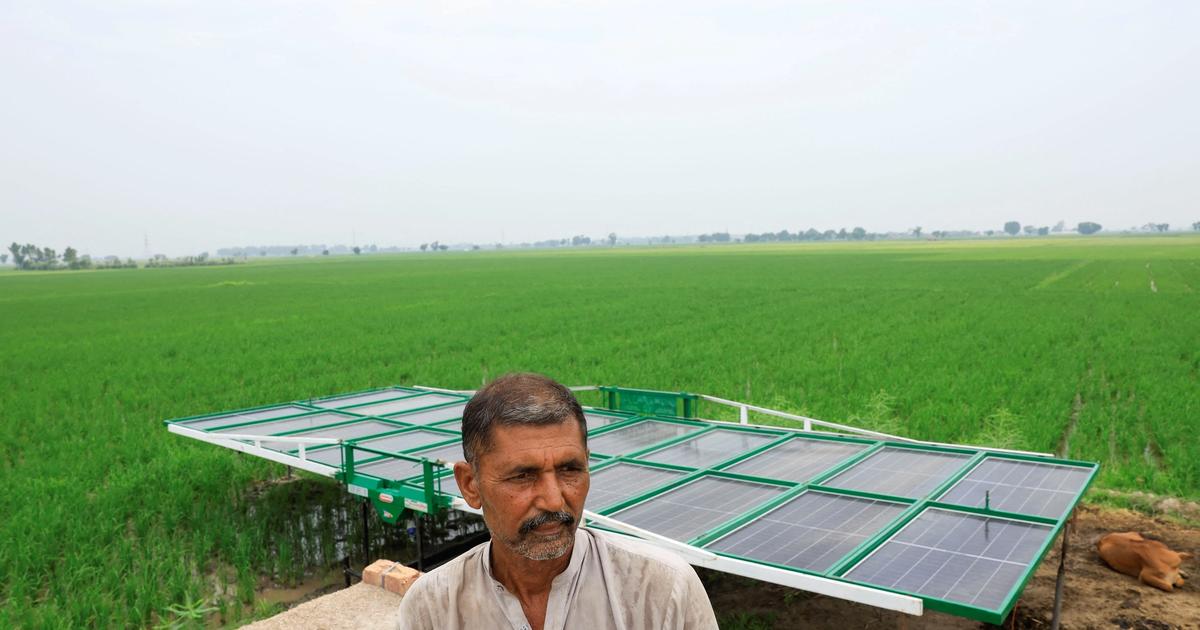
For power projects, he’s wary of gas, which is slow to deploy, and keener on fuel cells, onshore renewables, batteries, and nuclear.
asserted
which → ’ → cells
“If there’s a single narrative that is most starkly divorced from the fundamentals we’re seeing on the ground,” he said, “it’s the idea that the demand for AI infrastructure and the energy and the supply chain that supports it is in some way fragile.”
asserted
that → ’ → way
This imbalance and the capital requirements for energy are going to last through the end of this decade and beyond.
asserted
imbalance → go → decade
But in an environment where all forms of generation are seeing increased demand, we see certain technologies growing the fastest — fuel cells because they’re the fastest to deploy; renewables because they’re the cheapest form of bulk electricity; batteries and energy storage because they provide stability to an increasingly volatile electric grid; and nuclear because it provides your large-scale baseload and energy security.
asserted
it → see → baseload
Which offers the best returns?
asserted
Which → offer → returns
Down-the-fairway, mature renewables — onshore wind and solar, battery storage — are absolutely seeing the most growth and have the most market participants.
asserted
renewables → see → participants
So maybe your return outcomes are more range-bound.
asserted
outcomes → bind → ?
There is incredible demand, huge capital requirements, and there are far fewer people who have the expertise in order to invest and help pull those projects off of the ground.
asserted
who → be → ground
Therefore, the return requirements are going to be different.
asserted
requirements → go → ?
You’re part of the consortium that Nvidia put together.
asserted
Nvidia → ’re → that
[Nvidia CEO] Jensen Huang has been propping up a huge chunk of the AI buildout.
asserted
Huang → prop → buildout
Are we now at a place where investors who do this for a living are stepping in and backfilling that support?
asserted
who → do → support
If I can play it back to you in a slightly different way, AI infrastructure is growing on a very traditional trajectory that we’ve seen [before].
asserted
we → play → that
Initially it’s done by independent capital providers who look to build and hold the assets.
asserted
who → do → assets
Once the asset class grows, you begin to see banks syndicate the financing.
asserted
banks → grow → financing
Other capital participants come in, whether it’s private credit or insurance.
asserted
it → come → ?
That is exactly what’s happened within AI infrastructure.
asserted
what → happen → infrastructure
The only thing that’s different about this one is it’s happening on a much larger scale and happening much faster.
asserted
it → ’ → scale
I’ve never seen competitors at the same table this often.
asserted
I → see → table
How do you think about places where you want a deal to yourself versus sharing it — and sharing the returns — with your competitors?
asserted
you → think → competitors
We’re seeing one of the biggest energy buildouts in history.
asserted
We → see → history
We’re seeing global trade rewired with an increasing focus on resiliency and production of critical goods closer to home.
asserted
trade → see → home
These are mega-trends that require far more capital than what has traditionally been available from both governments and even the public markets.
asserted
what → require → governments
So why can you get five or six of the leading players at one table?
asserted
you → get → table
But if everyone is in this trade, what’s going to differentiate winners and losers?
asserted
what → go → winners
While it’s easy to paint everything with a single wide brush, there is going to be a dispersion of who performs well and who has some disappointing results.
asserted
who → ’ → results
To be absolutely clear, we’re not doing every opportunity we see.
asserted
we → do → opportunity
We are doing the tiniest fraction.
asserted
We → do → fraction
And even with that very tight filter, we can deploy a tremendous amount of capital.
asserted
we → deploy → capital
Returning to the energy supply question, where do you see gas fitting in here?
asserted
gas → return → question
You mentioned lower-carbon technologies, but all the tech companies are scrambling to get their hands on gas turbines.
asserted
companies → mention → turbines
…and 14 more, not listed.
 The Aporia