London's Thames Valley Police are investigating Andrew Mountbatten-Windsor, formerly Prince Andrew, for misconduct related to his friendship with convicted sex offender Jeffrey Epstein. Three months after his arrest and subsequent questioning, police sought additional witnesses but have faced difficulties in gathering evidence. Now, Andrew is challenging the legality of the search warrants issued during his February 19th interrogation through a judicial review, potentially complicating the investigation further.
Written locally by qwen2.5:14b on 2026-10-05,
using this article's own text rather than the other coverage of the
same event (that is the story summary below).
Story summary
Andrew Mountbatten-Windsor, formerly Prince Andrew, has launched a legal challenge against Thames Valley Police (TVP) over search warrants that led to his February 2023 arrest. He was detained in Norfolk on suspicion of misconduct in public office related to allegations he shared sensitive information with convicted sex offender Jeffrey Epstein during his tenure as the UK’s trade envoy between 2001 and 2011.
Police searched Marsh Farm and Royal Lodge, Andrew's former residence, removing documents and other items. After an 11-hour interrogation at Aylsham Police Station, he was released under investigation. This is reportedly the first time a royal has challenged the lawfulness of criminal proceedings since Charles I’s trial in 1649.
A High Court hearing will take place to decide whether certain court documents related to Andrew's judicial review should be made public. The case involves assessing the legality of search warrants issued by an Old Bailey judge following TVP's application.
Written for “Andrew Sues Police Over Epstein Files…” on 2026-10-05,
grounded in this article and the 14 other(s) covering the same event.
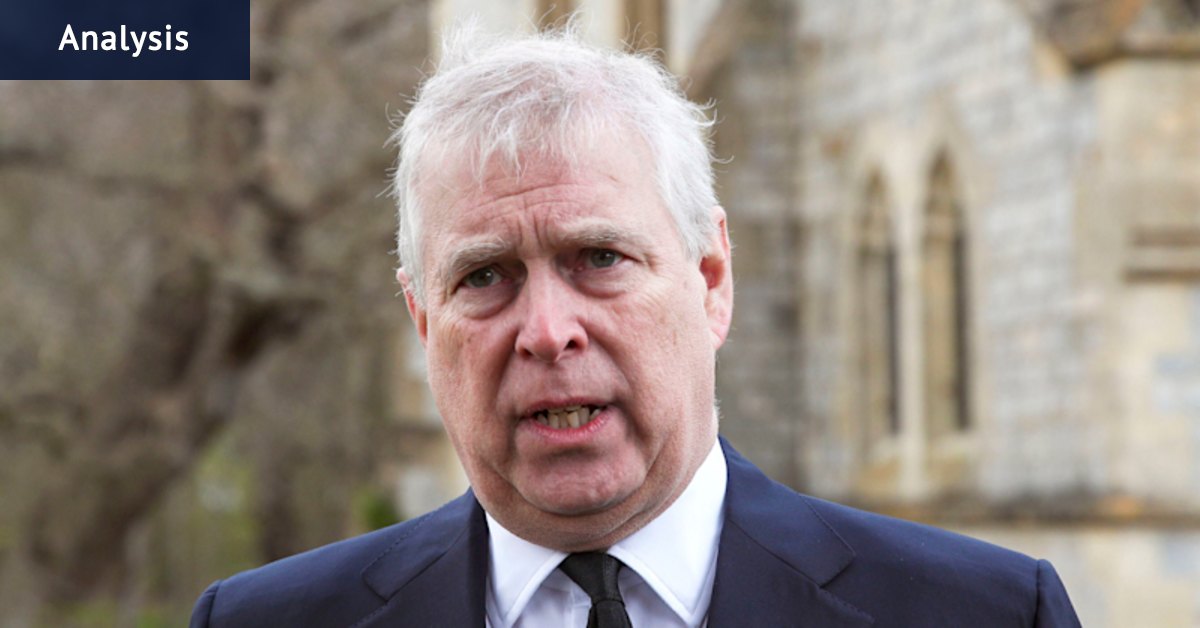
Three months after police arrested the man formerly known as Prince Andrew in February, they issued a statement that seemed to widen the investigation into their suspect.
asserted
that → arrest → suspect
Thames Valley Police wanted witnesses to come forward with anything they knew about Andrew Mountbatten-Windsor so they could assess claims of sexual misconduct during his friendship with convicted sex offender Jeffrey Epstein.
uncertain
they → want → offender
Police have clearly struggled to find the witnesses they want.
asserted
they → struggle → witnesses
And the former prince is now trying to turn the tables on Thames Valley Police by challenging their search warrants in court.
asserted
prince → try → court
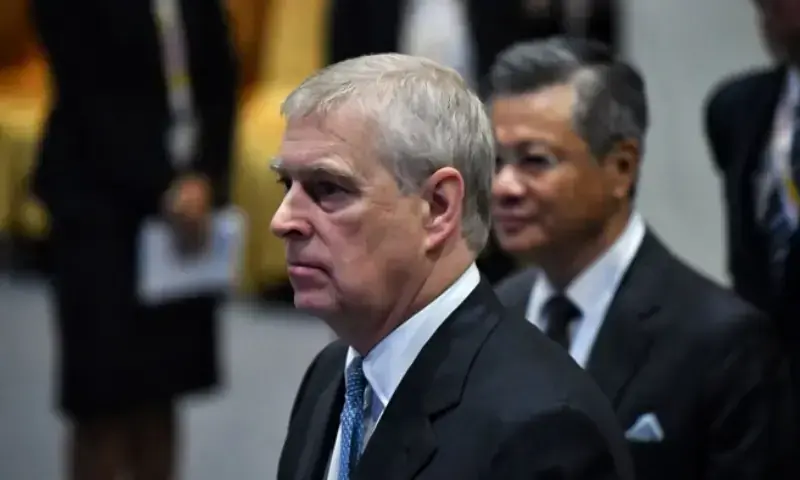
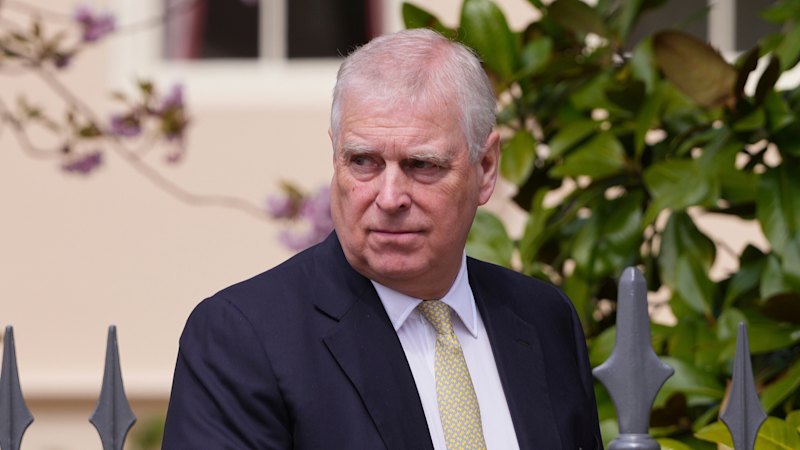
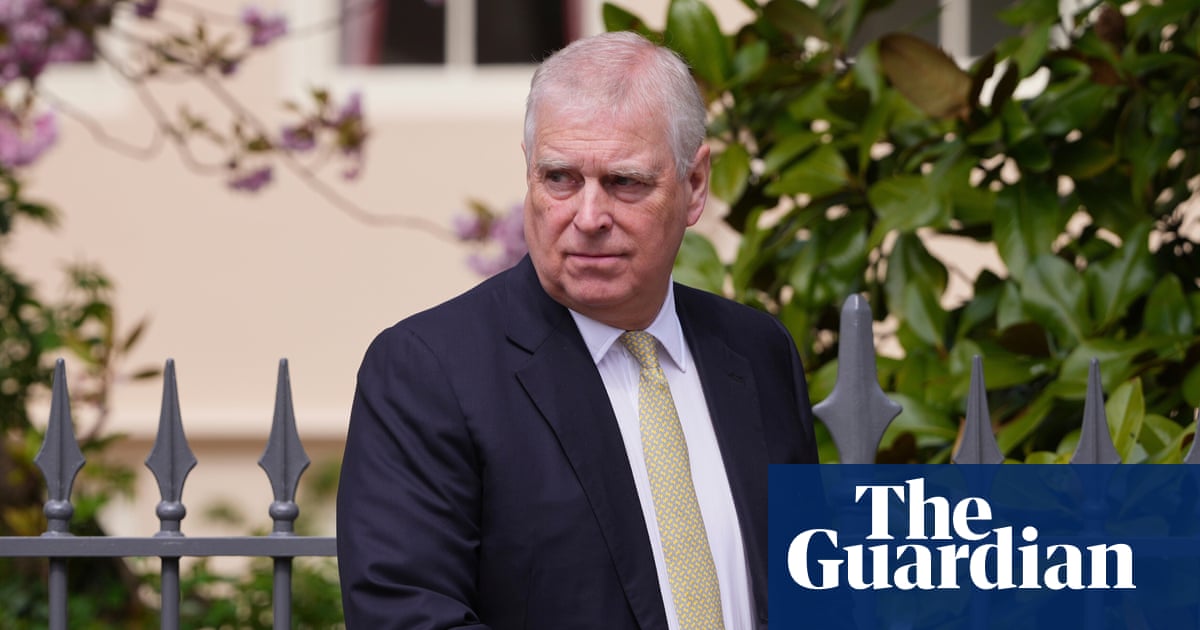
The utter humiliation of Mountbatten-Windsor seems complete after police arrested him on February 19 on suspicion of misconduct in public office over his links to Epstein, held him for questioning for about 12 hours and searched his properties for evidence.
asserted
police → seem → evidence
Police have not charged Mountbatten-Windsor.
asserted
Police → charge → Windsor
He went home from the interrogation and has made no comment since.
asserted
He → go → comment
There is no sign of progress in the investigation, which means he may never face charges, let alone be found guilty of any crime.
uncertain
he → be → crime
And he is, under the law, innocent until proven guilty.
asserted
he → prove → law
His legal action against Thames Valley Police, revealed by London’s Telegraph, is an application to a judge to decide whether the officers had lawful reasons to search his properties.
asserted
officers → reveal → properties
The judicial review could determine whether the February search warrants, granted by an Old Bailey judge at the request of the Thames Valley Police, were lawful.
uncertain
warrants → determine → Police
Mountbatten-Windsor has already gained a decision from a High Court judge to let his case proceed.
asserted
case → gain → judge
All of this raises the key questions: Has the Thames Valley Police got the evidence it needs?
asserted
it → raise → evidence
And what happens to its investigation if there is a problem with its search warrants?
asserted
what → happen → warrants
Thames Valley Police Assistant Chief Constable Oliver Wright said in May that the force wanted to hear from more witnesses.
uncertain
force → say → witnesses
“In terms of Epstein victims and survivors, we hope that anyone with relevant information will come forward, and I really want to stress that our door is open whenever a victim-survivor is ready to engage with us,” he said.
asserted
he → hope → us
“We’re ready for you at whatever point that may be.”
uncertain
that → ’re → you
It seemed unusual at the time for the police to need this additional call for witnesses, given the years of publicity around the former prince and the global headlines about his February arrest.
asserted
police → seem → arrest
The logical analysis was that the police knew they did not have enough evidence to lay charges.
asserted
they → know → charges
Whatever happens in the police investigation and the judicial review, the former prince will be judged by the public based on years of testimony and documents.
asserted
prince → happen → testimony
These claims by Virginia Roberts Giuffre, who took her own life in Western Australia last year, will always hang over Mountbatten-Windsor.
uncertain
who → take → Windsor
Will others come forward?
asserted
others → come → ?
Second are the questions about whether Mountbatten-Windsor shared confidential government information with Epstein and others when he was a government envoy.
asserted
he → share → Epstein
He had useful information as the United Kingdom’s special representative for international trade and investment from 2001 to 2011.
asserted
He → have → 2011
One document from October 2010, among the many released by the US Department of Justice earlier this year as part of the Epstein file dump, showed the way Mountbatten-Windsor passed on useful information to Epstein.
asserted
Windsor → release → Epstein
The prince, as he was at the time, shared information about a trade mission to Vietnam, Singapore, Hong Kong and Shenzhen.
asserted
he → share → Vietnam
On November 30, that year, he received a set of “visit reports” from one of his advisers about each location.
asserted
he → receive → location
He forwarded these documents to Epstein five minutes after receiving them.
asserted
He → forward → them
The BBC found these emails in the Department of Justice’s searchable archive, but the government documents cannot be seen because the attachments were not released.
asserted
attachments → find → archive
And without those attachments, who can convict the royal trade envoy of committing a crime?
asserted
who → convict → crime
The potential charge against Mountbatten-Windsor is that he engaged in misconduct in public office.
asserted
he → engage → office
This could cover sexual misconduct.
uncertain
This → cover → misconduct
It could also cover misconduct in sharing inside information covered by government secrecy rules.
uncertain
It → cover → rules
Right now, however, the police can say only that they arrested him on suspicion of misconduct.
asserted
they → say → misconduct
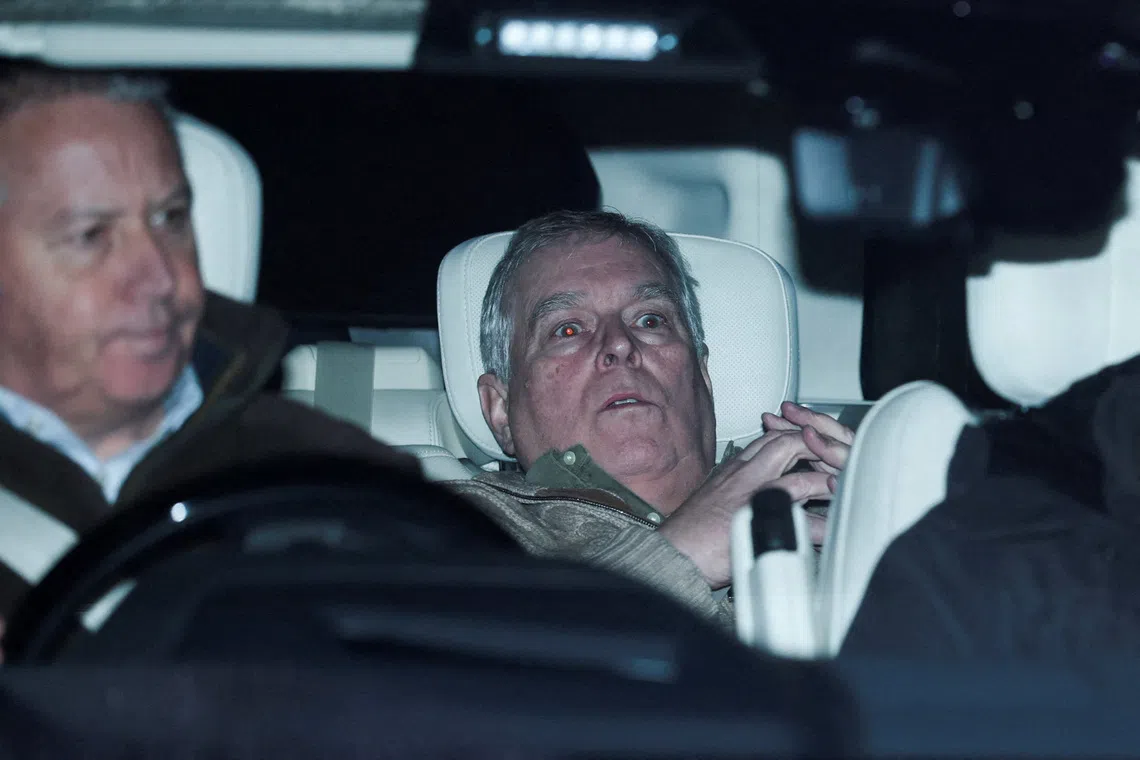
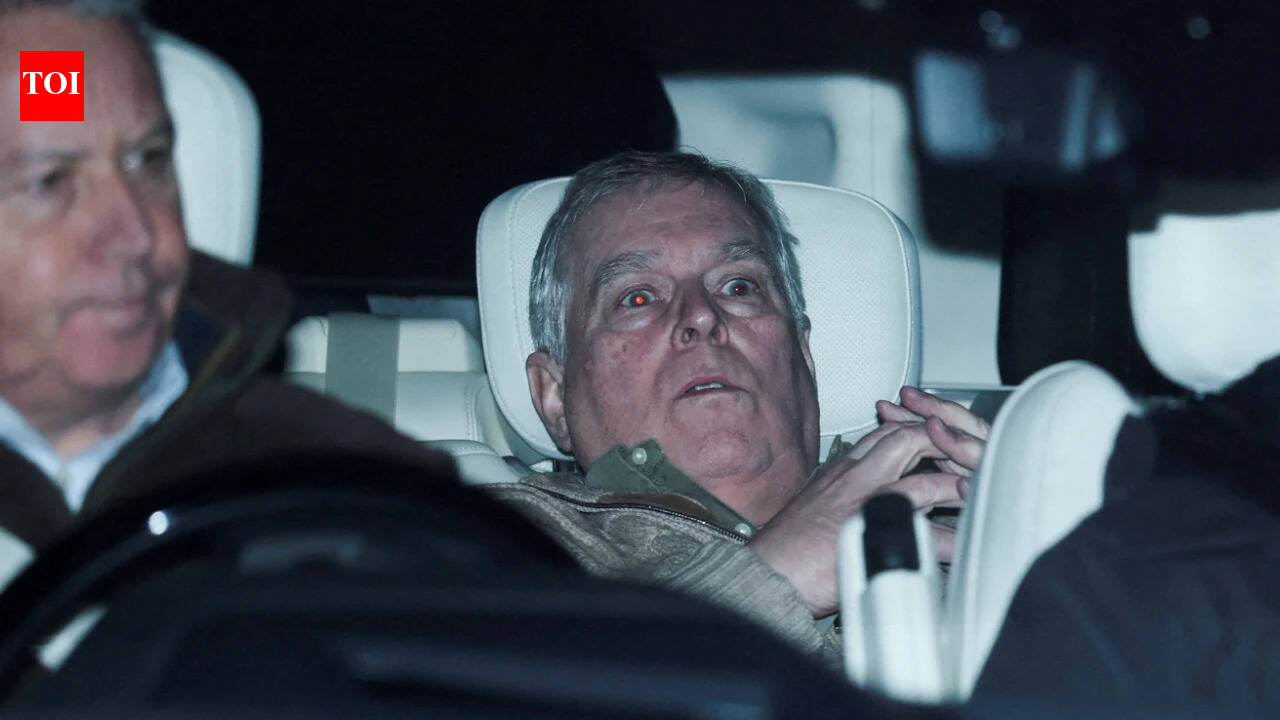
Mountbatten-Windsor looked beaten when he emerged from the arrest in February.
asserted
he → look → February
In a famous Reuters photograph, he slouched in the back seat of a vehicle to try to avoid being photographed as he was driven away from a Norfolk police station.
asserted
he → slouch → station
Now he has a chance to stymie or stop the case against him if the police lack the evidence they feel they need to proceed.
asserted
they → have → evidence
Even if he succeeds in court with a judicial review, however, it will be too late to rescue his reputation.
asserted
it → succeed → reputation
The court of public opinion has already ruled.
asserted
court → rule → opinion
Get a note directly from our foreign correspondents on what’s making headlines around the world.
asserted
what → get → world
 The Aporia