That is 0 articles you have read today.
The Aporia is free and carries no advertising, so readers are the only
thing paying for it. If you are getting this much out of it, a small
donation is what keeps it independent.
Daily limit reached
You have read 0 articles today.
That is more than the 15 a day The Aporia gives away,
and well past what it can carry on nothing. Your allowance resets at
midnight.
There is no advertising here and nothing about you is sold, so readers
are the only thing paying for it. If the site is worth this much of
your day, it is worth a few dollars.
Everything else stays open: the
maps, the
directory and
search do
not count against this, and neither does re-opening something you have
already read today.
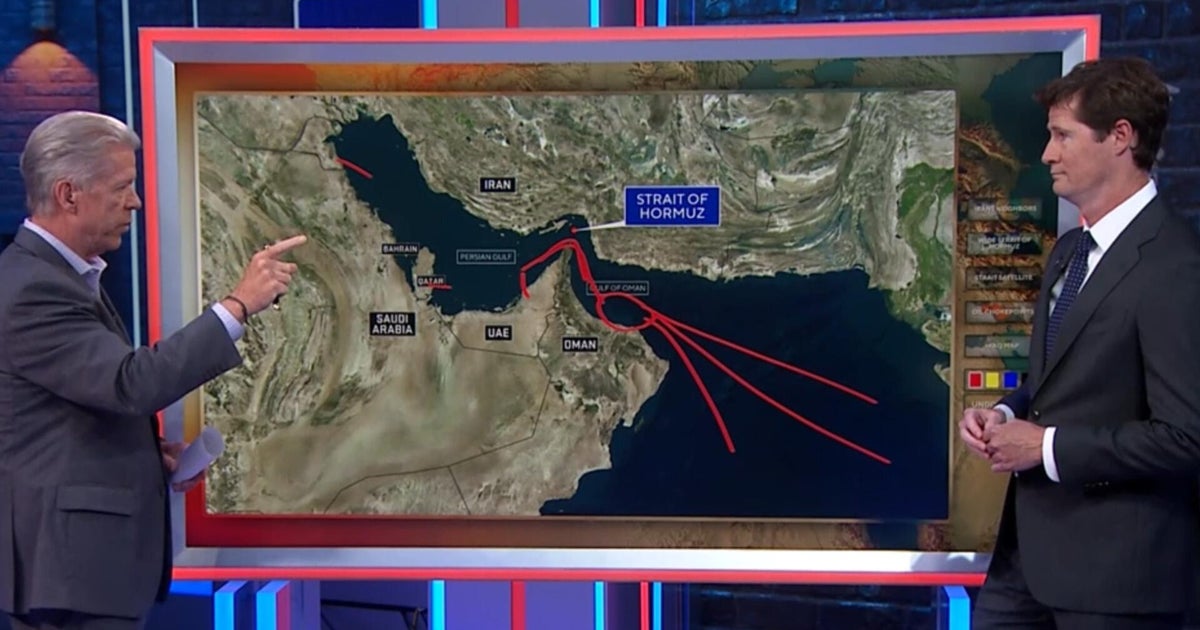
Middle East crude oil exports exceeded pre-war levels for four out of seven days in late September, according to ship-tracking firm Kpler, reaching 19.5-22.5 million barrels per day (bpd) during that period. However, an Iranian military official claimed only three to four million bpd were moving through the region, calling it "negligible." The data also shows a rise in liquefied natural gas cargoes exiting the Strait of Hormuz, with Iran stating it will keep the strait closed until certain conditions are met by the United States.
Written locally by qwen2.5:14b on 2026-10-05,
using this article's own text rather than the other coverage of the
same event (that is the story summary below).
Story summary
Crude oil exports from West Asia exceeded pre-war levels on four of the seven days at the end of September 2026, despite increased tanker attacks and tensions in the Strait of Hormuz. Ship-tracking firm Kpler reported daily crude exports ranging between 19.5 million barrels per day and 22.5 million bpd, surpassing pre-war levels from March 2025 to February 2026 when they averaged 18 million bpd. Senior Islamic Revolutionary Guard Corps (IRGC) commander Ali Fadavi dismissed these figures, claiming only 3-4 million barrels of oil per day are currently moving through the strait post-war. Meanwhile, Iran reported attacking ships near the Strait of Hormuz, including US Navy vessels, forcing the U.S. to move its warships further away from Iranian coastal waters.
Written for “West Asian Oil Exports Recover” on 2026-10-05,
grounded in this article and the 1 other(s) covering the same event.
Why this leaning score
The article's own words the score was based on. Each is quoted
verbatim and was checked against the article text before being
stored, so you can find it in the original.
Leaning: leans left for article 56754 (medium confidence, 1 verified quote) · logged 2026-10-05
Claims extracted
10
claim-shaped sentences
Uncertain
20%
2 of 10 hedged
Leaning
Leans left
of the writing, not the subject · beta estimate
Correction & hedging signals
60.3
corrections and hedging in what we collected;
not a measure of accuracy
Outlets on this story
2
Economy/Business
Narrative spread
1
articles carrying this framing
Crude oil exports from the Middle East have risen above pre-war levels on four of the seven days in the last week of September, provisional data from ship-tracking firm Kpler showed.
asserted
data → rise → Kpler
However, senior Islamic Revolutionary Guard Corps (IRGC) commander Ali Fadavi said in a televised interview on Sunday night that only three to four million barrels of oil per day (bpd) are now moving through the route, dismissing the amount as “negligible” when compared with pre-war traffic.
Recommended Stories
list of 3 items- list 1 of 3Iran says Hormuz to remain closed until US meets conditions
- list 2 of 3US withdraws B-1 bomber aircraft from UK’s Fairford base amid Iran fears
- list 3 of 3Why is fighting intensifying in Yemen’s Taiz governorate?
Fadavi said, for the first time, no US vessels were present in the Gulf, the Strait of Hormuz, the Sea of Oman or even the northern Indian Ocean and US warships are “100 percent vulnerable” to IRGC attacks.
Kpler data showed crude exports from the region exceeded pre-war levels on September 24 and between September 27 and 29, rising to 19.5-22.5 million bpd.
Around that time, Iran claimed success in attacking ships – including US Navy vessels – near the Strait of Hormuz, saying the strikes had forced Washington to move its warships further from the Iranian coast.
asserted
strikes → say → coast
Before the US-Israel war on Iran began, exports averaged 18 million bpd between March 2025 and February 2026.
asserted
exports → begin → March
According to Kpler data, the overall tally for crude, oil products, chemicals and non-gas liquids averaged 22.4 million bpd in the seven days to September 30.
uncertain
tally → accord → September
On October 1, the seven-day moving average for crude exports was at 18.5 million bpd.
asserted
average → move → bpd
This includes transits via the Strait of Hormuz, the Red Sea, exports from terminals and ship-to-ship transfers in the Gulf of Oman.
asserted
This → include → Oman
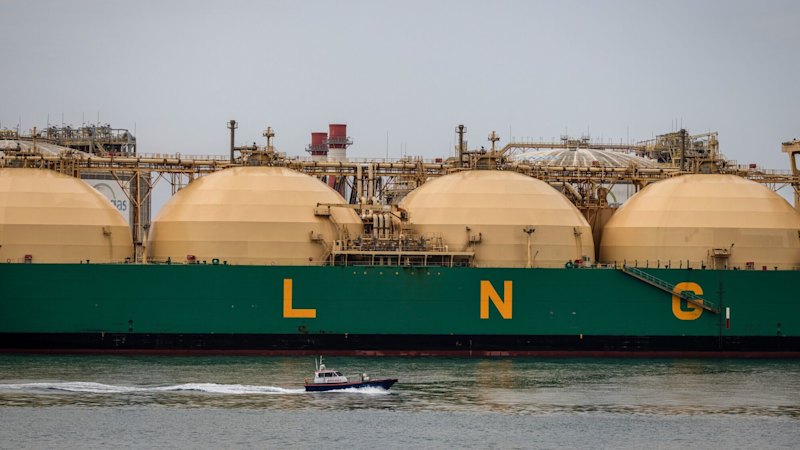
The number of liquefied natural gas cargoes exiting the Strait of Hormuz also rose in September to its highest monthly level since February.
asserted
number → liquefy → February
The figures exclude any vessels that might have crossed the strait with their automatic identification system transponders turned off to avoid detection.
uncertain
transponders → exclude → detection
The United Kingdom Maritime Trade Operations agency reported at least one attack a day in the Strait of Hormuz or in the Gulf of Aden since October 2.
asserted
agency → report → October
On Sunday, Iran’s top negotiator and parliament speaker, Mohammad Bagher Ghalibaf, said the Strait of Hormuz would remain closed until the United States accepts Tehran’s seven-day plan to reopen the waterway.
asserted
States → say → waterway
 The Aporia