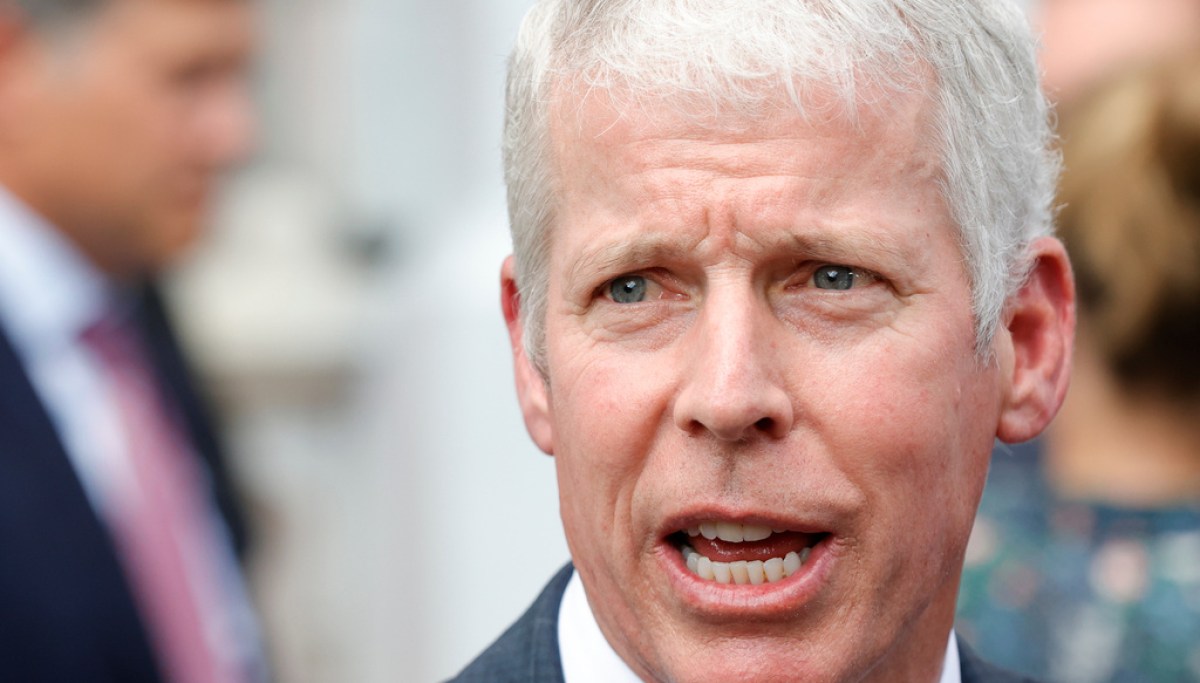
Energy Secretary Chris Wright said the Russia-Ukraine war is the “single biggest factor” behind the historic increase in diesel prices.
asserted
war → say → prices
“Diesel has been impacted by a lot of factors, but the single biggest one there has been the Ukrainian destruction of Russian refineries,” Wright said on CNN’s State of the Union on Sunday morning.
asserted
Wright → impact → morning
“Russia was a meaningful exporter of diesel throughout the last several decades,” he added.
asserted
he → add → decades
“Today, they’ve banned any exports of diesel.
asserted
they → ban → diesel
China has also dramatically throttled back exports of diesel, and in fact, Russia is importing gasoline, where they have historically been a net exporter of that.
asserted
they → throttle → that
So the refining market has become very tight.”
asserted
market → become → ?
His remarks came as President Donald Trump’s special envoys Steve Witkoff and Jared Kushner engaged in peace talks with Russian officials in Moscow.
asserted
envoys → come → Moscow
The pair also traveled to Kyiv to meet with Ukrainian President Volodymyr Zelensky.
asserted
pair → travel → Zelensky
The discussions resulted in no breakthroughs over the weekend as the war between Russia and Ukraine continues.
asserted
war → result → Russia
The Iran war is also contributing to the record rise in gasoline and diesel prices, but Wright didn’t focus on that conflict during his interview with CNN.
asserted
Wright → contribute → CNN
Rather, he blamed Democrats for closing refineries over the past few years.
asserted
he → blame → years
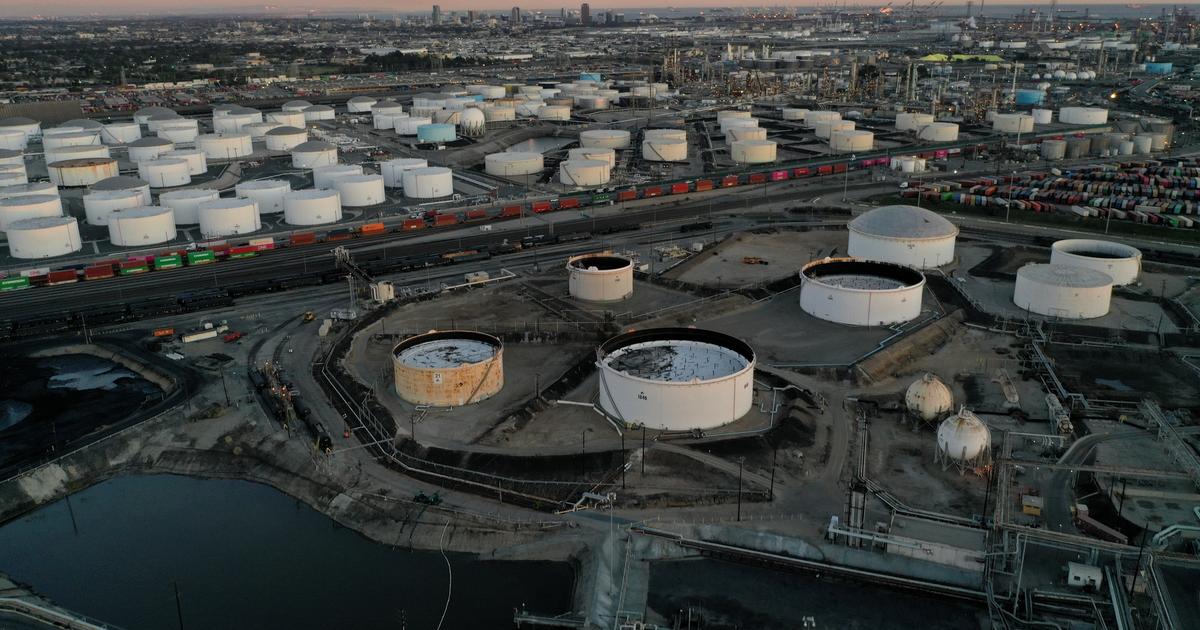
“The Biden administration closed over a dozen refineries in the United States,” Wright said.
asserted
Wright → close → States
“Gavin Newsom in California closed two significant refineries just in the last 12 months.
asserted
Newsom → close → months
We, of course, are rowing in the opposite direction.
asserted
We → row → direction
The Trump administration is working with our refiners to expand their capacity.”
asserted
administration → work → capacity
The Cabinet secretary cited his recent visit to Venezuela as part of the administration’s efforts to raise not only oil production but also refinery capacity to supply the global oil market.
asserted
secretary → cite → market
Last week, the United States facilitated a series of deals between the Venezuelan government and five energy companies, including Chevron.
asserted
States → facilitate → Chevron
The signed agreements are separate from the major U.S.-Venezuela oil deal announced by Trump days before the energy chief’s visit to Caracas.
asserted
agreements → sign → Caracas
“On Venezuela, I think things are going swimmingly, well above our projections,” Wright told CNN.
asserted
Wright → think → CNN
We’re way ahead of plan, and with billions of new dollars announced for investment into the country, every month that story gets better than it was the month before.
asserted
it → ’re → country
So progress is happening rapidly.”
asserted
progress → happen → ?
As of Sunday, AAA says the national average gas price is $4.15, and the average for diesel is $5.90.
asserted
average → say → diesel
Monday’s average gas price is on track to outpace the record set by Labor Day 2012, which was $3.82 per gallon.
asserted
which → outpace → gallon
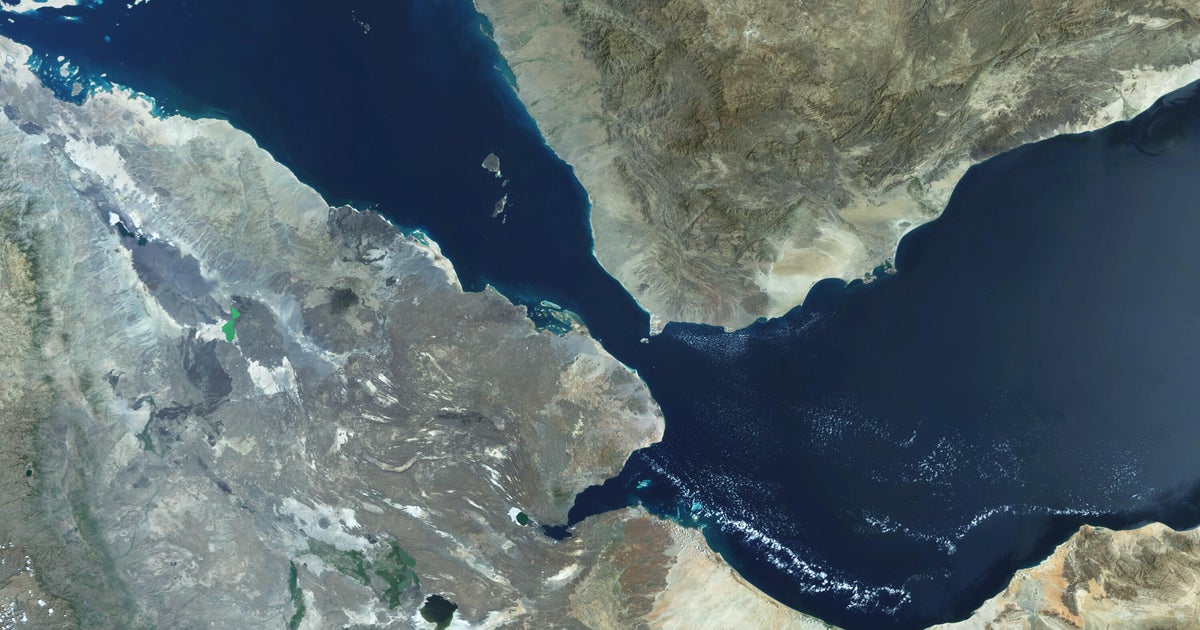
Gas prices usually decrease after Labor Day due to the falling seasonal demand this time of year, but it’s likely those costs will remain high due to geopolitical tensions, particularly the U.S.-Iran war over the Strait of Hormuz.
asserted
costs → decrease → Hormuz
Asked if gas prices could rise significantly more than the already high levels, Wright said, “I don’t want to have an opinion on that.”
uncertain
I → ask → that
Pressed again on the question, he answered, “Gasoline production is about to go up, and demand is about to go down.
asserted
demand → press → question
So, if I had to guess, they’re more likely to go down than go up.”
asserted
they → have → ?
 The Aporia