Claims extracted
18
sentences that state something as happening or true
Uncertain
28%
5 of 18 hedged
("reportedly", "may", "according to")
Leaning
Leans left
of the writing, not the subject · beta estimate
Publisher signals
69/100
BBC News's corrections and
hedging, across everything collected from it. Not a measure of accuracy.
Outlets on this story
1
Economy/Business
Same framing elsewhere
1
articles that frame the event the way this one does
- Published
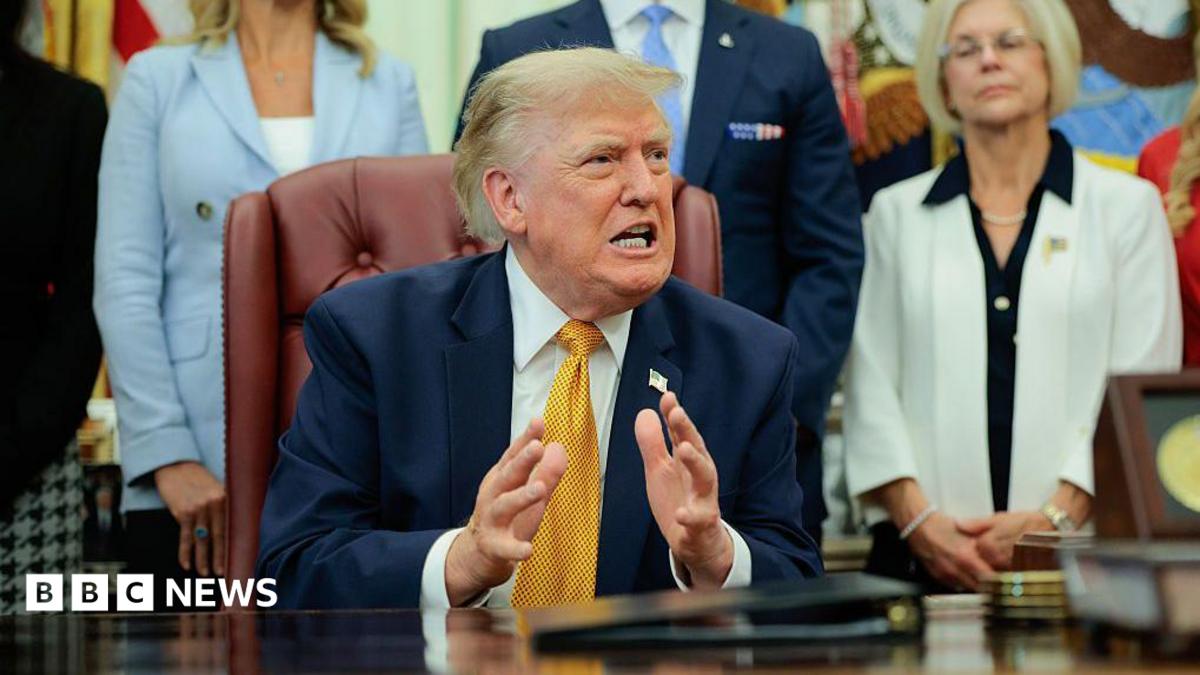
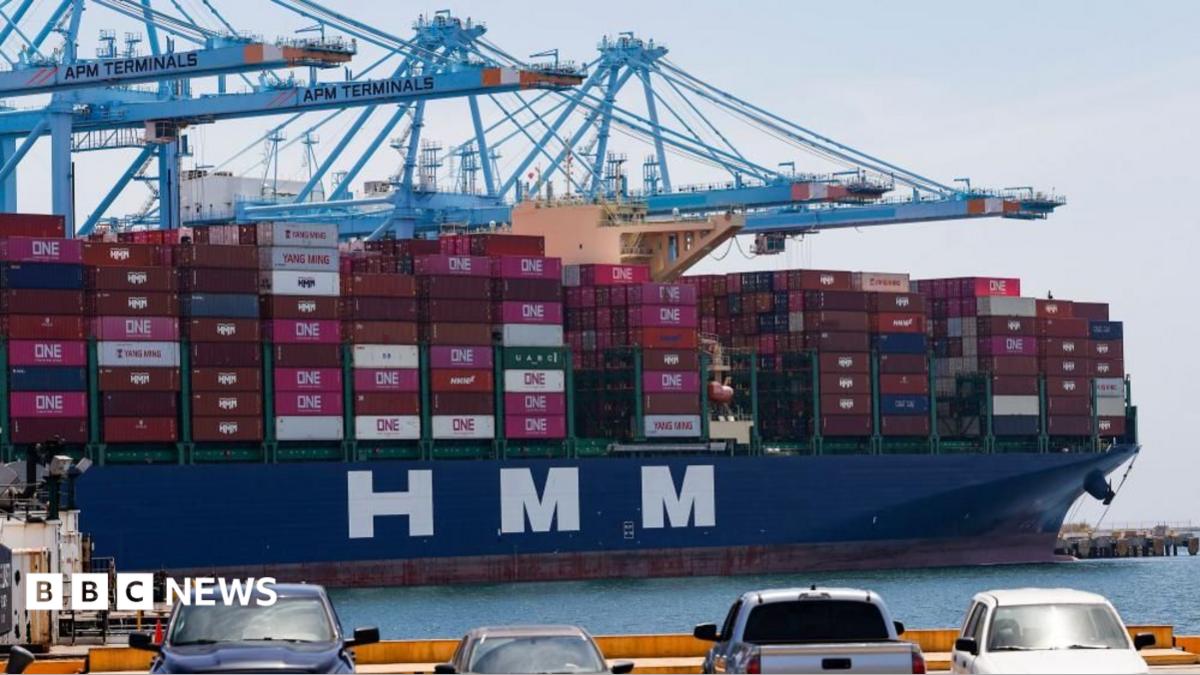
US President Donald Trump's administration has paid back $100bn (£78bn) in "Liberation Day" tariff refunds to businesses through customs officials.
asserted
administration → publish → officials
This represents roughly 60% of all tariff revenue collected by the government under the policy, according to a recent court filing, external from US Customs and Border Protection.
uncertain
This → represent → Customs
However, a significant chunk of money remains unpaid.
asserted
chunk → remain → money
Nearly $29bn in potential refunds is undergoing review by trade authorities, while another $1.6bn is stuck because importers have not yet supplied their banking details.
asserted
importers → undergo → details
The repayments follow a major Supreme Court decision in February, in which judges ruled that broad import tariffs introduced under economic powers were unlawful.
asserted
tariffs → follow → powers
The White House had cited a 1977 law, the International Emergency Economic Powers Act (IEEPA), which gives the president power to "regulate" trade in response to an emergency.
asserted
which → cite → emergency
But the measures sparked outcry at home and abroad from firms facing an abrupt rise in taxes on shipments entering the US, and worries that the levies would lead to higher prices.
asserted
levies → spark → prices
Tariffs are taxes on foreign goods entering a country.
asserted
Tariffs → enter → country
They are not paid by foreign governments or overseas exporters, but by domestic businesses and importers when goods arrive at customs.
asserted
goods → pay → customs
Higher tariffs raise upfront business expenses, and companies usually pass these extra costs to shoppers through higher retail prices.
asserted
companies → raise → prices
Since the Supreme Court decision, several major American corporations have already claimed large sums back.
asserted
corporations → claim → sums
Amazon received about $600m in refunds during the second quarter, according to finance chief Brian Olsavsky.
uncertain
Amazon → receive → Olsavsky
Olsavsky said on the company's second quarter earnings call that Amazon would pass some money back to customers where specific charges were applied, and the remaining funds would be used to support lower store prices.
asserted
funds → say → prices
Under US customs law, only importers who directly paid tariffs can claim refunds, leaving any consumer relief entirely up to individual businesses.
uncertain
who → pay → businesses
The overall tariffs payout is expected to rise further as US Customs continues to review pending claims and importers update their banking details.
uncertain
importers → expect → details
After the February court ruling, Trump introduced a 10% universal tariff as a temporary solution.
asserted
Trump → introduce → solution
These expired late last month, and were replaced by new tariffs on 60 trading partners based on claims key economic partners have failed to properly tackle forced labour.
uncertain
partners → expire → labour
That move came a few days after Trump slapped a 50% tariff on Canada.
asserted
Trump → come → Canada
 The Aporia