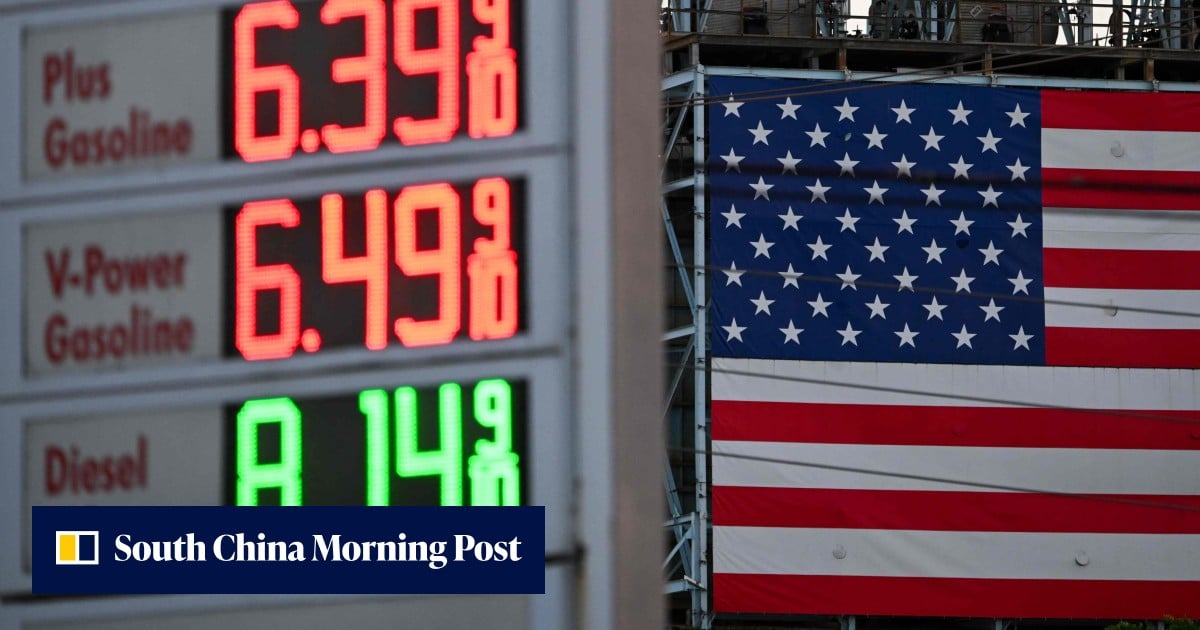
President Donald Trump has proposed a ban on U.S. diesel exports to address rising domestic fuel prices, which have reached an all-time high of over $6.45 per gallon. The U.S. produces approximately four to five million barrels of diesel daily, with about 3.6 million consumed domestically and the rest exported, primarily to Latin American countries and Europe. Trump argues that restricting these exports would help lower fuel costs for Americans by keeping more diesel in the domestic market. This move could have significant global economic impacts, particularly affecting nations reliant on U.S. diesel supplies.
Written locally by qwen2.5:14b on 2026-09-28,
using this article's own text rather than the other coverage of the
same event (that is the story summary below).
Story summary
Summary
As of mid-October 2023, U.S. President Donald Trump is considering a temporary ban on diesel exports to address record-high domestic fuel prices ahead of November's midterm elections. Average national diesel prices have surged past $6.50 per gallon due to the war in Iran and strikes against Russian refineries by Ukrainian forces. The proposal has gained traction among Republican candidates in key states like Iowa, Michigan, and Kansas, who are facing pressure from constituents affected by soaring fuel costs.
However, experts and industry groups warn that such a ban could exacerbate global diesel shortages and lead to even higher prices both domestically and internationally. U.S. Treasury Secretary Scott Bessent acknowledged the administration is evaluating whether a full or partial export ban would be feasible and beneficial. Nevertheless, many congressional Republicans are skeptical of this approach, fearing it might backfire and increase gasoline costs while further alienating them from Big Oil allies.
Meanwhile, some Republican officials advocate for lifting state-level restrictions on diesel production to mitigate price hikes instead. The potential for a policy backlash looms as the midterm elections draw near, with Democrats hoping to capitalize on voter discontent over economic hardships fueled by escalating conflicts abroad. Overall, the debate highlights the complex interplay between political expediency and economic pragmatism in addressing pressing issues like fuel scarcity during wartime conditions.
Written for “Trump Diesel Export Ban Controversy” on 2026-10-05,
grounded in this article and the 15 other(s) covering the same event.
- Published
US President Donald Trump has said he would back a ban on diesel producers selling overseas as surging fuel prices hit drivers ahead of the midterm elections.
asserted
prices → publish → elections
Diesel prices are hovering near a record $6.45 per gallon on average, according to the American Automobile Association (AAA), due to the ongoing US-Israel war with Iran and tight global supplies.
uncertain
prices → hover → Iran
The proposal to stop US diesel exports aims to protect domestic consumers from those rising costs, but it could trigger major economic waves both at home and across the world, external.
uncertain
it → stop → world
How much diesel does the US produce and export?
asserted
US → produce → diesel
The US is one of the world's leading energy producers, with domestic refineries churning out roughly four to five million barrels of diesel every day, according to the US Energy Information Administration (EIA).
uncertain
refineries → lead → Administration
Americans consume about 3.6 million barrels of that daily output.
asserted
Americans → consume → output
Refiners export the remaining1.2 to 1.5 million barrels per day, making the US a vital supplier to the global market.
asserted
US → export → market
Between 60% and 70% of this exported fuel goes to Latin America.
asserted
60 → export → America
Nations like Mexico, Brazil, Chile, and Ecuador depend heavily on American shipments to power their transport, farming, and factory sectors.
asserted
Nations → depend → sectors
Significant volumes also head across the Atlantic to European countries like France, the Netherlands, and the UK, as buyers search for alternatives to Middle Eastern supplies.
asserted
buyers → head → supplies
What has happened to diesel prices in the US and abroad?
asserted
What → happen → US
US diesel prices have climbed to a record high of over $6.50 per gallon – up nearly 70% year-on-year.
asserted
prices → climb → year
The spike has been driven by broader energy market shocks tied to ongoing conflict with Iran, which has restricted critical shipping routes through the Strait of Hormuz, a waterway south of Iran through which one fifth of the world's oil and gas usually flows.
asserted
fifth → drive → oil
Diesel primarily fuels commercial vehicles in the US – such as freight trucks, farm machinery, and cargo trains – which are used for transporting goods and construction.
asserted
which → fuel → goods
This means higher diesel prices can drive up the price of food, building projects, and many other things.
asserted
prices → mean → food
Outside the US, diesel is used in both commercial and consumer vehicles, but the effects of higher prices are similar.
asserted
effects → use → prices
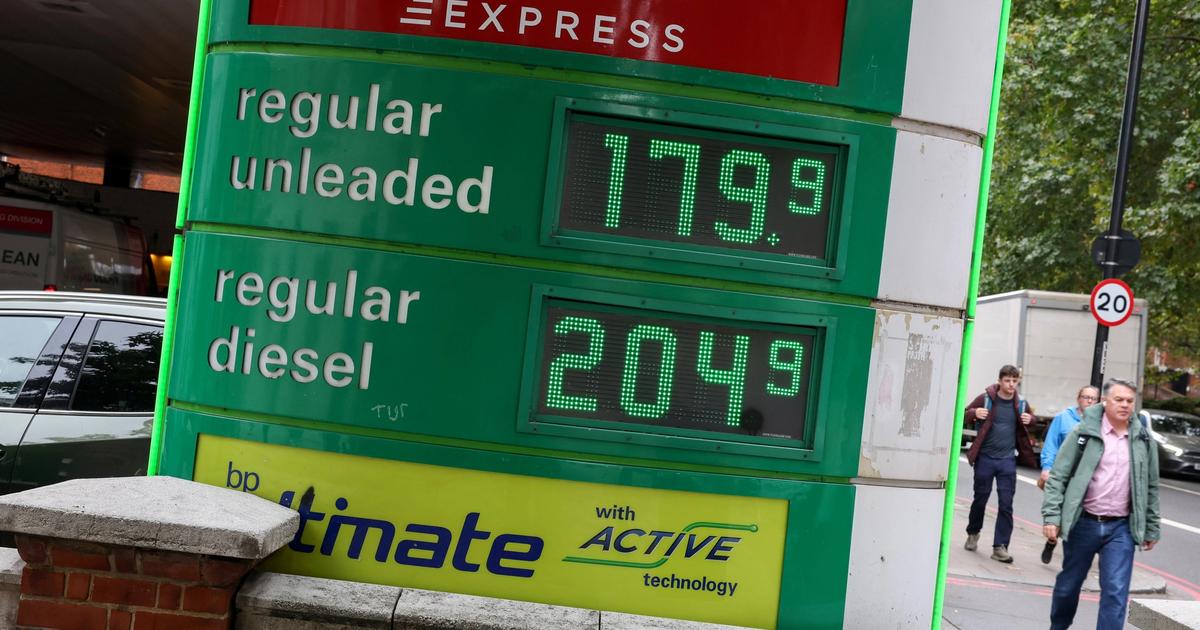
In the UK, diesel prices at the pump have hit an all-time high, prompting warnings about logistics costs and household budgets.
asserted
prices → hit → costs
UK Chancellor John Healey has told BBC News that the UK is in talks with US authorities over a potential diesel export ban and has started preparing for it.
asserted
UK → tell → it
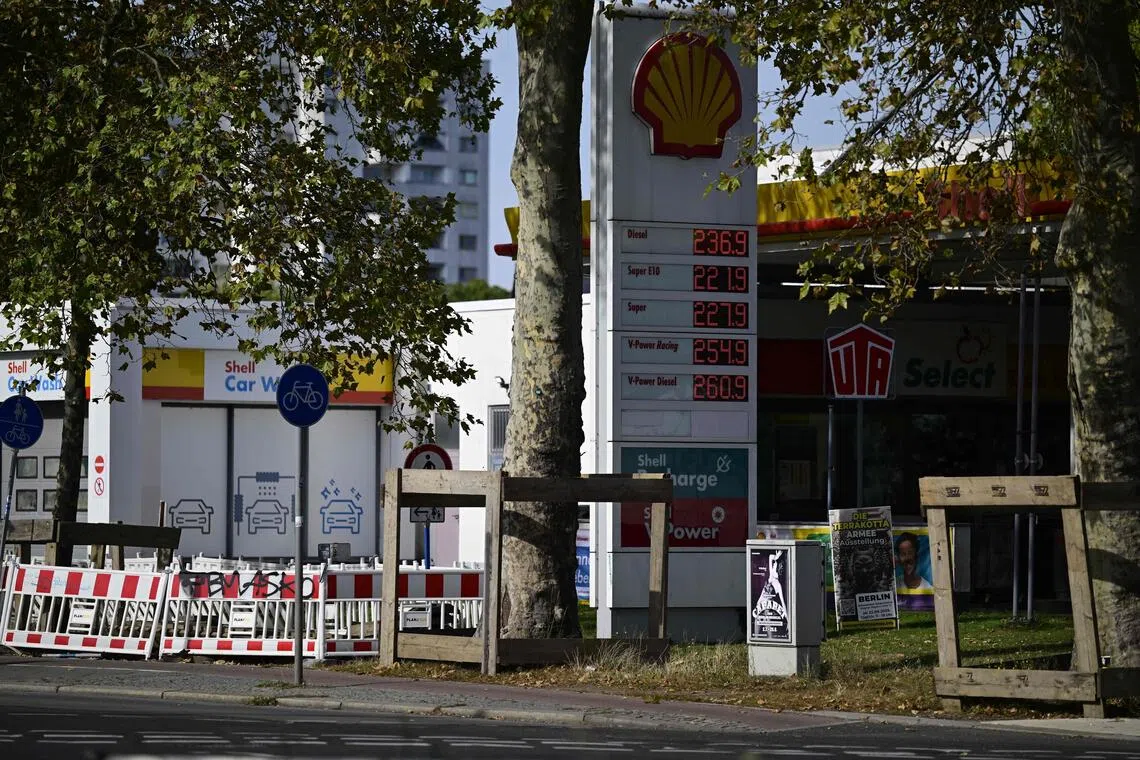
Meanwhile, in France and across continental Europe, governments are struggling with similar cost-of-living pressures because of rising fuel prices.
asserted
governments → struggle → prices
What has Trump said, and what is his argument?
asserted
argument → say → What
Trump suggested over the weekend that restricting or outright banning US diesel exports could keep fuel in the domestic market and drive down prices for American consumers.
uncertain
restricting → suggest → consumers
The president said on Sunday that the administration was "thinking about it very seriously."
His comments mirror remarks made on the sidelines of the United Nations General Assembly, where he stated that he had called to "not send out the diesel."
Trump argues that keeping those extra barrles in the US would lower pump prices, offering immediate relief to drivers, truckers, and businesses ahead of the midterm elections.
asserted
keeping → say → elections
Supporters, including key Republican lawmakers like Congresswoman Ashley Hinson and Senator Dan Sullivan, view the strategy as an effective way to shield the domestic economy from foreign shocks, arguing that American energy should serve American workers first.
asserted
energy → include → workers
What would an export ban mean for the US and the rest of the world?
asserted
ban → mean → world
For the US economy, a ban could deliver short-term relief at the pump by flooding the domestic market with excess supply.
uncertain
ban → deliver → supply
However, energy analysts warn it could backfire.
uncertain
it → warn → ?
David Fyfe, chief economist at Argus Media, notes that cutting off American supply would likely cause international prices to skyrocket.
asserted
prices → note → supply
That would push up global freight, food, and industrial costs, ultimately "feeding inflation back into the global economy".
asserted
That → push → economy
"At a stroke, the US's reputation as a reliable supplier of energy to the world would be shot," Fyfe added.
asserted
Fyfe → shoot → world
Removing more than a million barrels of daily American supply would trigger a fierce bidding war among importing nations in Latin America and Europe.
asserted
Removing → remove → America
Sarah Raffoul, analytics manager at Argus Media, noted that while higher international prices would eventually curb demand, the immediate gap would severely strain trade relationships and accelerate global inflation.
asserted
gap → note → inflation
 The Aporia