The Scoop
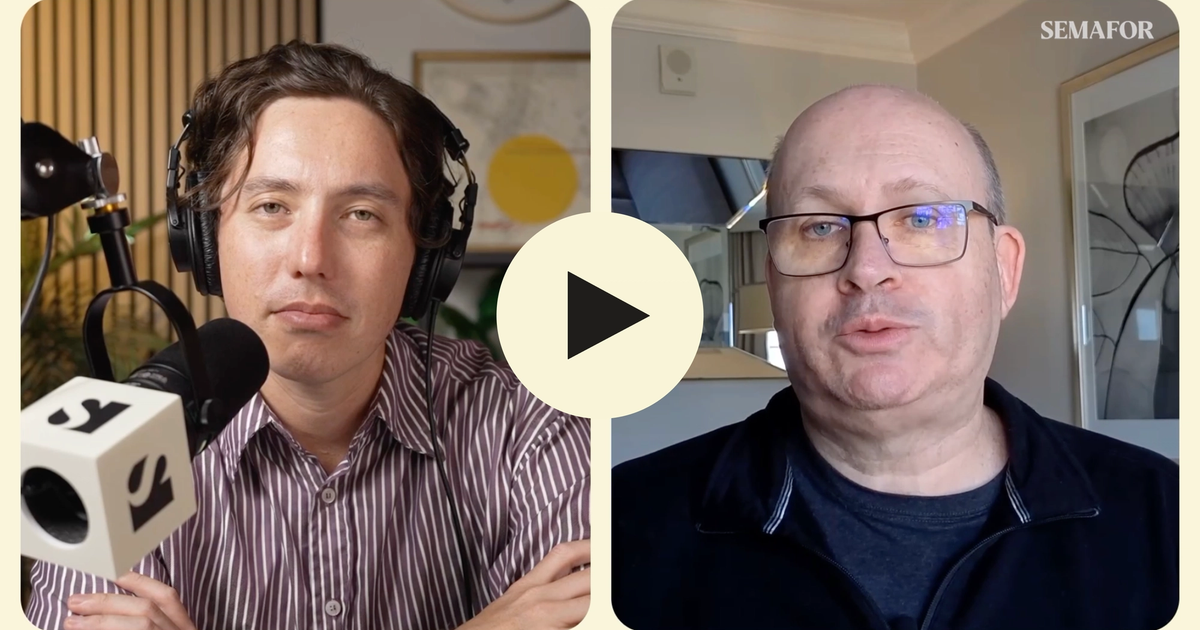
Atlantic CEO Nicholas Thompson was talking about the media business on Vox’s Channels podcast last month when host Peter Kafka asked him: How was the magazine’s editor-in-chief, Jeffrey Goldberg, feeling about the growing success of Thompson’s personal podcast?
asserted
editor → talk → podcast
“We make a lot of money on the stuff I do,” he said.
asserted
he → make → stuff
“Jeff likes when we make money.”
asserted
we → like → money
Thompson’s response ricocheted around The Atlantic’s newsroom.
asserted
response → ricochet → newsroom
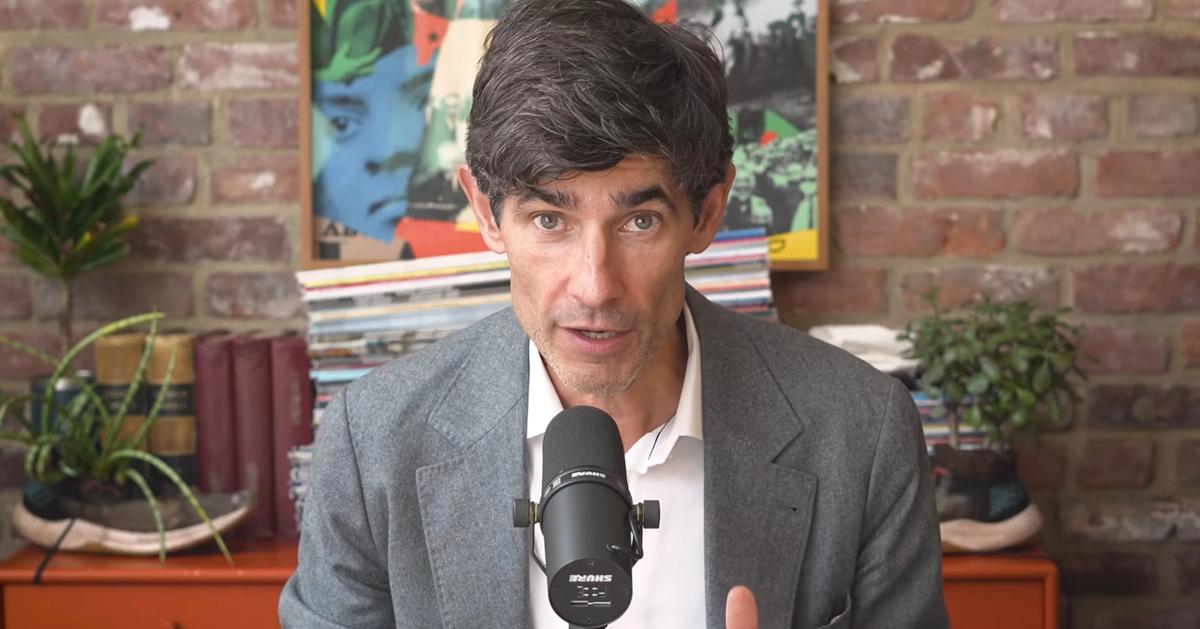
Thompson’s podcast, The Most Interesting Thing in AI, has emerged as a source of tension between the magazine’s business and editorial teams.
asserted
podcast → emerge → teams
Journalists have complained that the lucrative and high-profile show is not subject to The Atlantic’s editorial rules, input, or oversight — yet a casual listener could easily take it for an Atlantic editorial product.
uncertain
listener → complain → product
Thompson’s show is made by the magazine’s business side, and — like any number of contemporary podcasts — features interviews with technologists and business leaders, interspersed with sponsored content.
asserted
show → make → content
When the podcast launched in 2024, the newsroom raised no objections; The Atlantic has featured a robust paid content arm for years through its creative marketing studio and custom events business.
asserted
Atlantic → launch → studio
But as the show’s profile has risen in recent months, the podcast has caused increasing consternation internally.
asserted
podcast → rise → consternation
Thompson, despite his commercial role, is a well-known former tech reporter and former editor-in-chief of Wired.
asserted
Thompson → know → Wired
Last year, when he published a well-received memoir of his family and time as an elite long-distance runner, The Atlantic ran an excerpt.
asserted
Atlantic → publish → excerpt
On Most Interesting Thing, he has booked and interviewed top-tier guests, including OpenAI founder Sam Altman — leading staff to complain that the CEO’s bookings are, intentionally or not, undercutting the newsroom’s own efforts.
asserted
bookings → book → efforts
According to four people familiar with the situation, the podcast has been a particular source of friction between Thompson and Goldberg.
uncertain
podcast → accord → Thompson
Goldberg, who also has a close relationship with Atlantic owner Laurene Powell Jobs, does not report to the CEO and instead reports directly to the Atlantic’s board of directors.
asserted
who → have → directors
(Goldberg had formally reported to Thompson’s predecessor, Bob Cohn.)
asserted
Goldberg → report → predecessor
The traditional separation between news outlets’ editorial and business halves has been facing pressure from both sides of that line.
asserted
separation → face → line
Axel Springer CEO Mathias Dopfner’s podcast has drawn world leaders, cultural figures, and executives.
asserted
podcast → draw → leaders
Axios CEO Jim VandeHei regularly writes columns and occasionally breaks news on the company’s site, in addition to steering its business.
asserted
VandeHei → write → business
The growth of independent media in the Substack era has also created a generation of journalists who run both the business and editorial arms of their own small media outlets.
asserted
who → create → outlets
But it’s the latest instance in which Thompson’s attempts to nudge the newsroom on the business side have run up against a more skeptical and traditionalist editorial staff.
asserted
attempts → ’ → staff
Deepening the tension are differing views about the substance of the AI story.
asserted
views → deepen → story
Thompson inked a content-licensing deal between The Atlantic and OpenAI in 2024, angering newsroom staffers, some of whom view the frontier AI labs as having stolen journalists’ work for training.
asserted
some → ink → training
The publication’s editorial union publicly expressed skepticism of the deal and the publication’s policies around AI.
asserted
union → express → AI
The magazine’s tech editor published an op-ed saying publishers like The Atlantic were making a “devil’s bargain.”
asserted
publishers → publish → bargain
In an August 2024 letter first reported by Semafor, editorial staff said OpenAI was hallucinating Atlantic stories and linking to aggregation of the publication’s reporting.
asserted
OpenAI → report → reporting
And while The Atlantic has published largely skeptical coverage of major AI companies and their products’ impact on society, Thompson’s tone, in his podcasts and LinkedIn posts, has been more optimistic.
asserted
tone → publish → podcasts
The View From The Atlantic
The Atlantic declined to comment.
asserted
Atlantic → decline → Atlantic
But one senior company source stressed that there are clear disclaimers demarcating content made by the business side of the company, even if the content itself can feel journalistic in tone — perhaps unsurprising in the case of The Most Interesting Thing, as Thompson is a former journalist.
asserted
Thompson → stress → Thing
The Atlantic is one of the clear media success stories of the second Trump term, fueled by Signalgate and other critical reporting and commentary on the Trump administration, a successful events business, and shrewd moves to capitalize on the public stumbles of its DC neighbor, The Washington Post.
asserted
Atlantic → fuel → neighbor
The 168-year-old magazine’s breakout journalism, its digital success, and a bit of good timing have given both Goldberg and Thompson plenty to brag about on the media podcast circuit.
asserted
journalism → give → circuit
But strains at the top of the organization over its brand and direction reflect many premium news outlets’ dilemmas about survival and profit in a post-traffic, AI-ascendant media age.
asserted
strains → reflect → age
Marketers have infinite options for buying ads, meaning publishers no longer have the leverage they did when they controlled much of their own distribution.
asserted
they → have → distribution
Meanwhile, independent journalists are developing direct relationships with advertisers and marketers, creating more fluidity between the editorial and business sides of their brands.
asserted
journalists → develop → brands
Still, the old boundaries existed for a reason.
asserted
boundaries → exist → reason
Fragmentation has allowed many powerful figures to get their message across by circumventing traditional media outlets whose questions many CEOs and politicians don’t want to answer.
asserted
CEOs → allow → questions
It’s not surprising that Altman was willing to sit down with The Atlantic’s CEO on a sponsored business-side podcast, but not with the magazine’s tech journalists.
asserted
Altman → ’ → journalists
Readers and audiences understand that when someone runs or owns a news outlet, they have the right to make it publish their opinions and thoughts, Kafka told Thompson.
asserted
Kafka → understand → Thompson
“It’s not against the law, but it’s also a little creepy.”
asserted
it → ’ → law
 The Aporia