That is 0 articles you have read today.
The Aporia is free and carries no advertising, so readers are the only
thing paying for it. If you are getting this much out of it, a small
donation is what keeps it independent.
Daily limit reached
You have read 0 articles today.
That is more than the 15 a day The Aporia gives away,
and well past what it can carry on nothing. Your allowance resets at
midnight.
There is no advertising here and nothing about you is sold, so readers
are the only thing paying for it. If the site is worth this much of
your day, it is worth a few dollars.
Everything else stays open: the
maps, the
directory and
search do
not count against this, and neither does re-opening something you have
already read today.
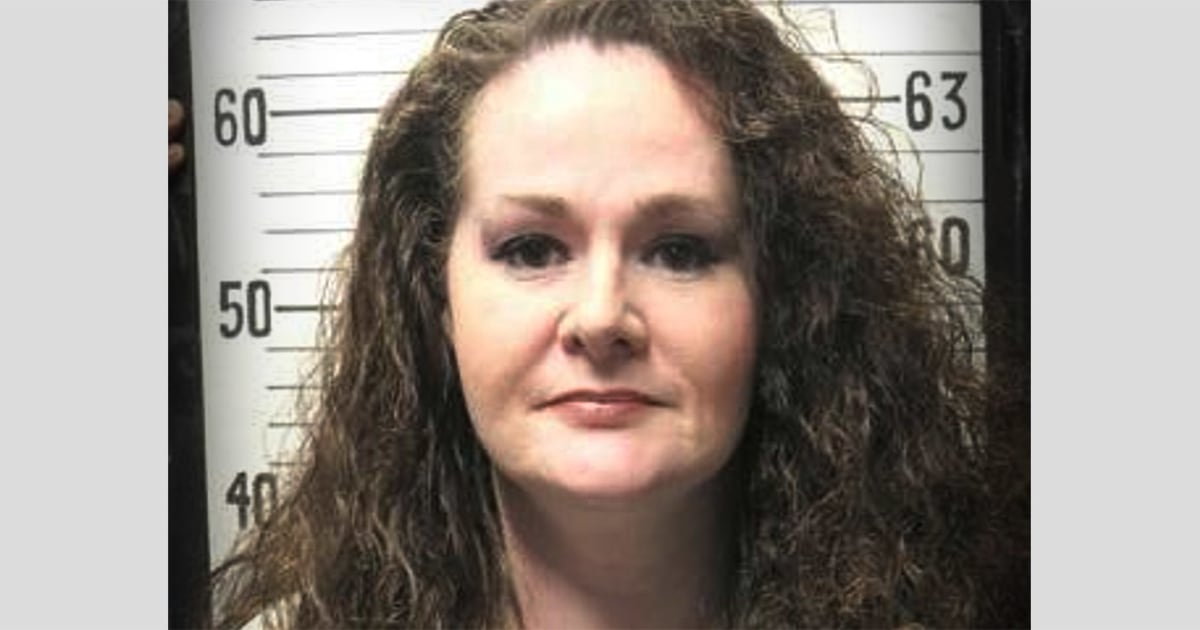
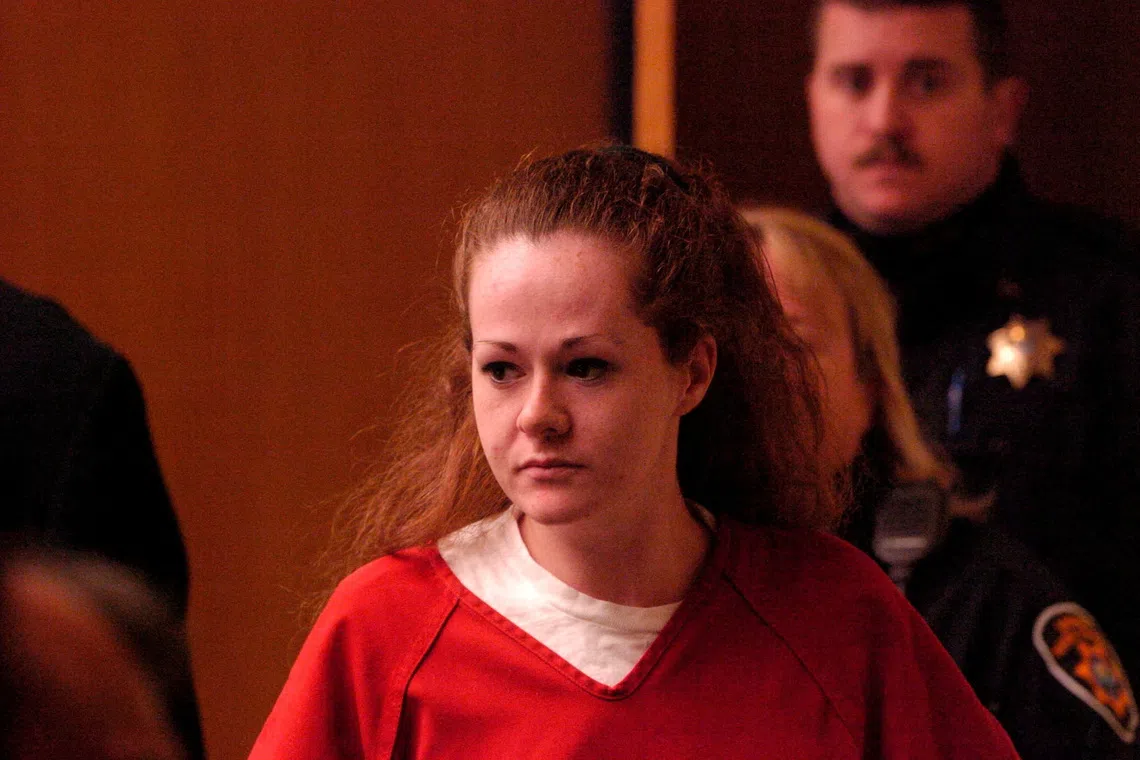
Convicted murderer Christa Pike remains unconscious and critically ill in a guarded hospital room after surviving two rounds of lethal injection during her botched execution last week in Tennessee. Her lawyer, Stephen Ferrell, told CNN that Pike may never fully recover from the incident and that her long-term prognosis is uncertain. The failed execution attempt raises questions about Pike’s future treatment under the law; Ferrell has requested that Governor Bill Lee commute her sentence to life in prison due to her current condition. Legal experts suggest that if Pike suffers permanent brain damage, another execution would be unconstitutional as she might not comprehend the proceedings.
Written locally by qwen2.5:14b on 2026-10-05,
using this article's own text rather than the other coverage of the
same event (that is the story summary below).
Story summary
Christa Pike, a 50-year-old death row inmate in Tennessee, was set to be executed by lethal injection on September 30, 2026, becoming the first woman executed in the state since the early 1800s. Pike, now serving her sentence for killing Colleen Slemmer, a 19-year-old classmate at Knoxville Job Corps when she was just 18 years old, had her clemency request denied by Tennessee Governor Bill Lee. She and her then-boyfriend tortured and murdered Slemmer in a jealous rage.
Pike's legal team filed a petition with the US Supreme Court, hoping for a last-minute reprieve due to concerns about her struggles with post-traumatic stress disorder stemming from childhood trauma and sexual abuse. However, on September 29, 2026, the Supreme Court rejected their plea. The execution was scheduled to take place at the Riverbend Maximum Security Institution in Nashville.
Just hours before the planned lethal injection, a judge issued a temporary stay of execution based on new arguments about whether Pike's childhood abuse had been adequately considered during sentencing. This decision has prompted further legal challenges and delays in carrying out her sentence.
Written for “Christa Pike Execution Controversy” on 2026-10-05,
grounded in this article and the 139 other(s) covering the same event.
Why this leaning score
The article's own words the score was based on. Each is quoted
verbatim and was checked against the article text before being
stored, so you can find it in the original.
Leaning: leans left for article 56268 (high confidence, 1 verified quote) · logged 2026-10-05
Claims extracted
17
claim-shaped sentences
Uncertain
29%
5 of 17 hedged
Leaning
Leans left
of the writing, not the subject · beta estimate
Correction & hedging signals
64.4
corrections and hedging in what we collected;
not a measure of accuracy
Outlets on this story
140
Crime & Law
Narrative spread
1
articles carrying this framing
Christa Pike, the convicted murderer who survived a botched execution attempt last week, may never fully recover, her lawyers revealed, as she remains unconscious in a heavily guarded hospital room.
uncertain
she → convict → room
Pike, the first woman to be put to death by Tennessee in over 200 years, has been hooked up to a ventilator since last Wednesday after shockingly surviving two rounds of a lethal injection she was sentenced to for the sadistic 1995 murder of her classmate.
asserted
she → put → classmate
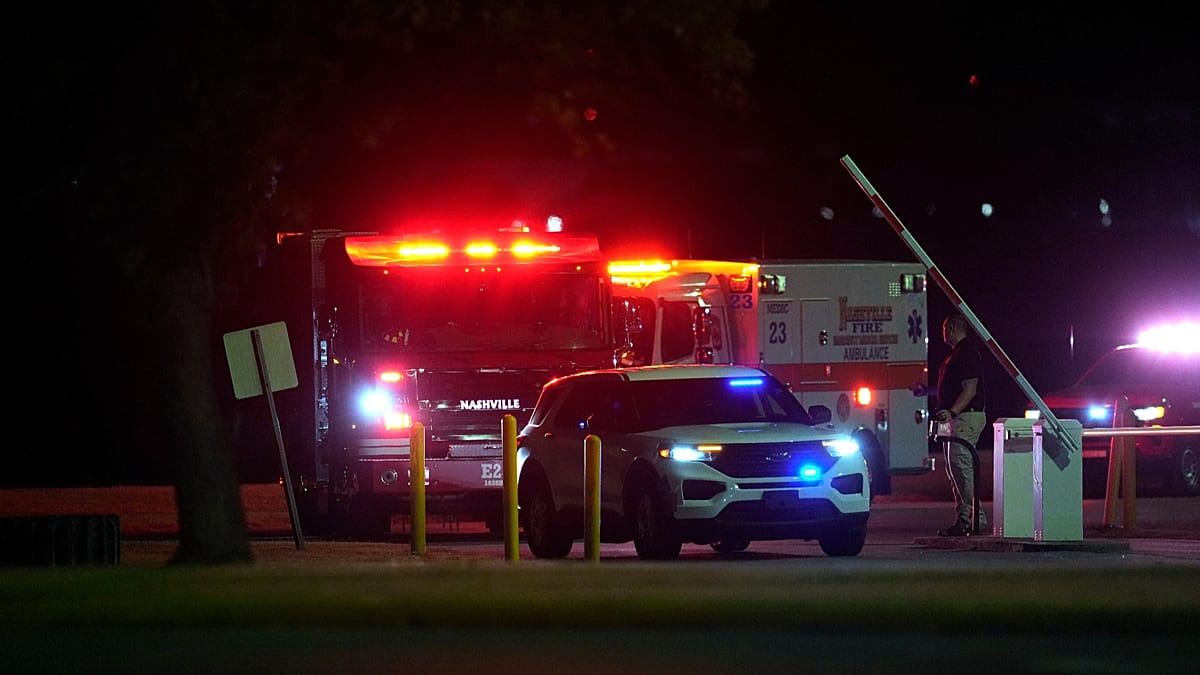
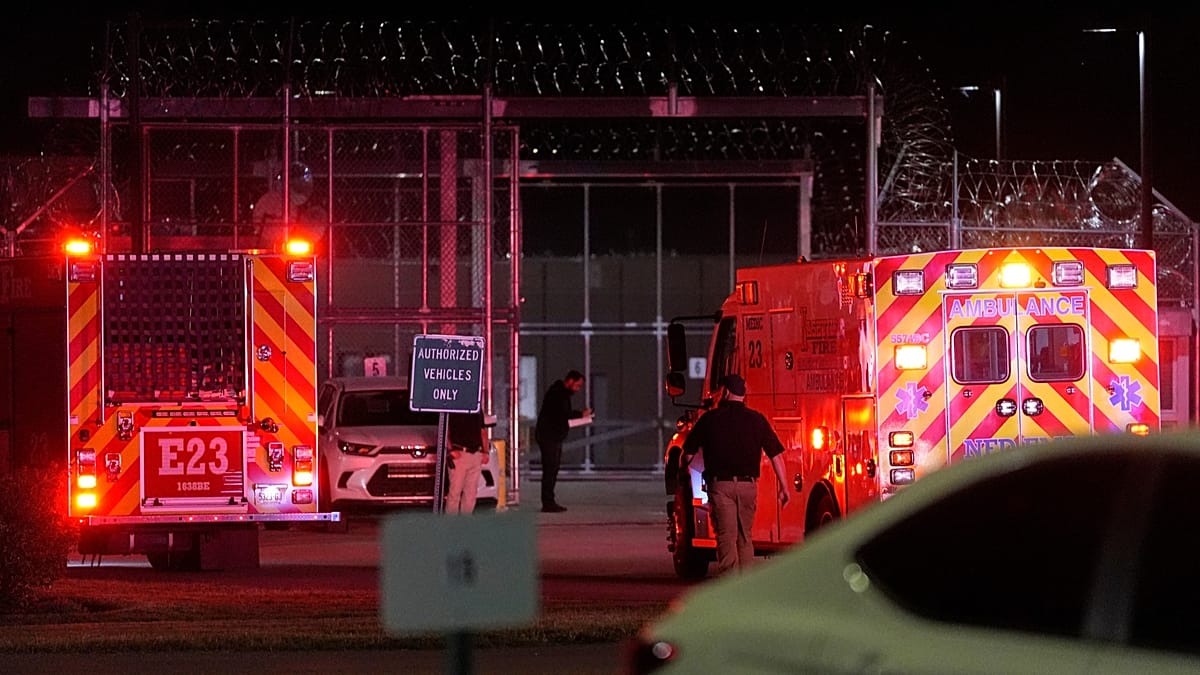
She is the first death row inmate to survive a successful injection of pentobarbital — which had left her snoring and unconscious but still breathing while strapped to a gurney at Riverbend Maximum Security Institution death chamber on Wednesday night.
asserted
which → survive → night
“We don’t know right now, and we may never know, what sort of torture she endured during that process,” one of Pike’s lawyers, Stephen Ferrell, told Jake Tapper on CNN Sunday.
uncertain
one → know → CNN
While Pike, 50, dodged death, her condition is still not much better, having failed to regain consciousness or say anything since the attempted execution.
asserted
condition → dodge → execution
She remains “critically ill,” Ferrell said.
asserted
Ferrell → remain → ?
“We don’t really know the prognosis yet and may not know for several days.”
uncertain
We → know → days
“It remains to be seen what the future is,” he continued.
asserted
he → remain → ?
“I think one of the main things that will leave this up in the air for a while is the fact that we don’t know what the prognosis is — as in, the long-term prognosis.
asserted
prognosis → think → while
If she recovers — she may not fully recover.”
uncertain
she → recover → ?
We just don’t know any of this,” the attorney said.
asserted
attorney → know → this
Pike’s legal team has been unable to see her as she languishes in the hospital, where she is “guarded,” he added.
asserted
he → see → hospital
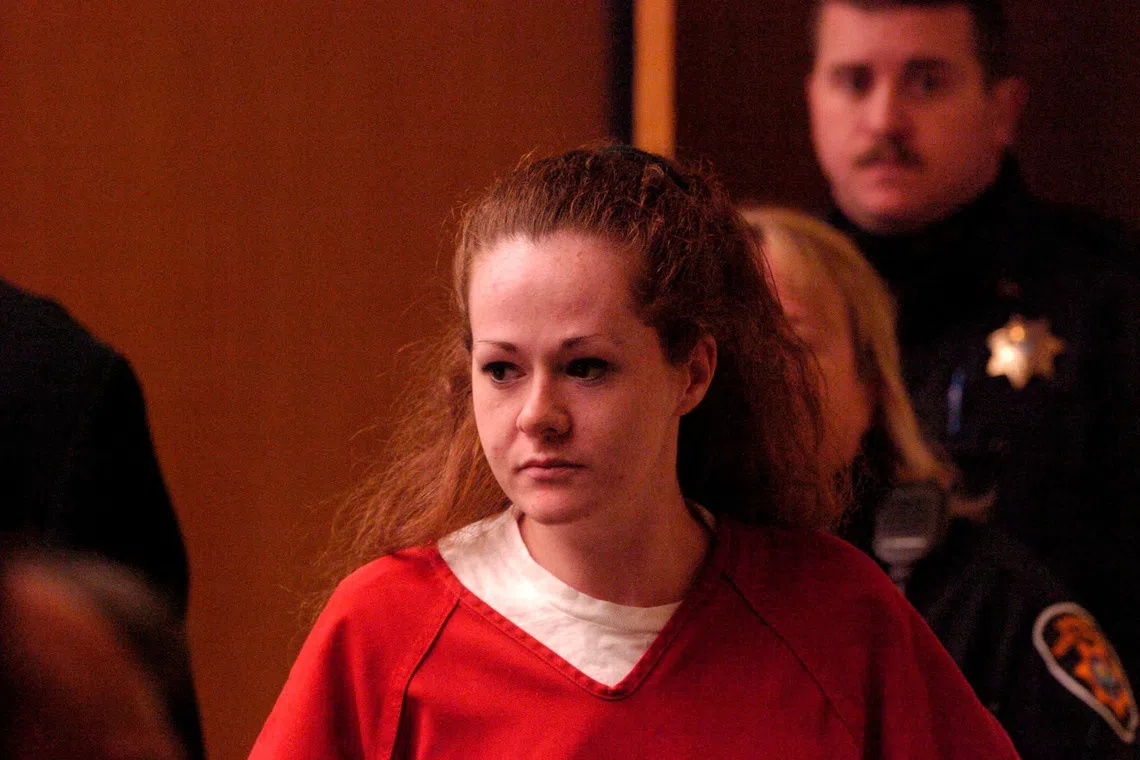
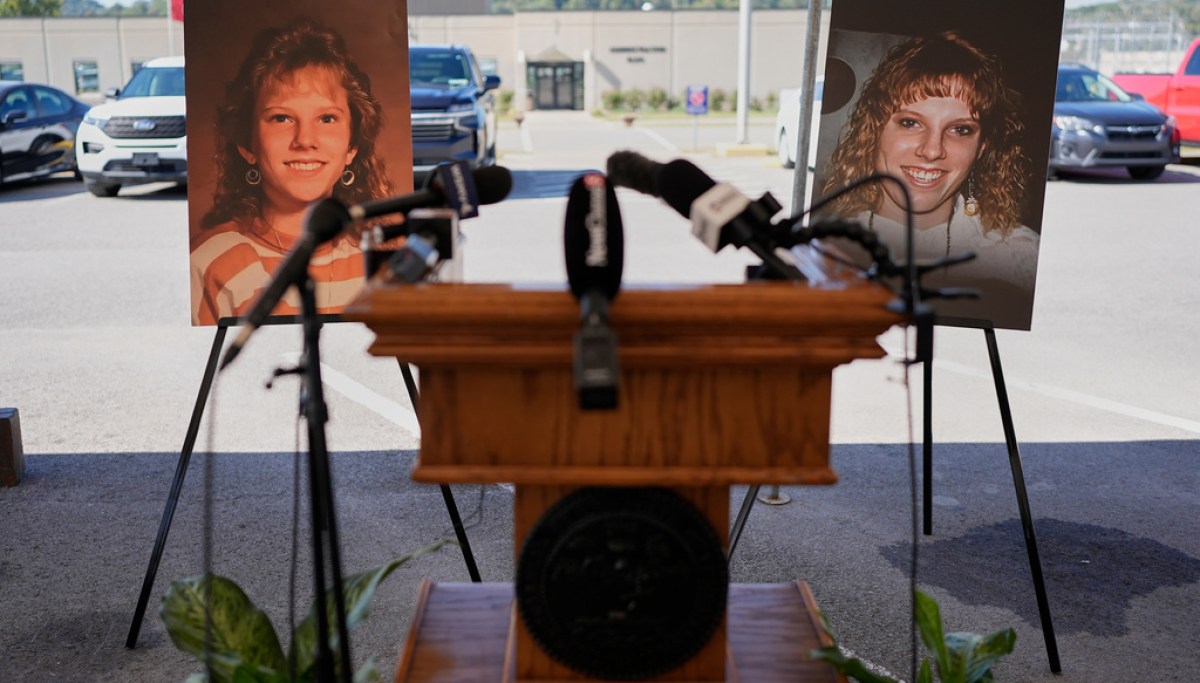
Pike was sentenced to death in 1996 for the brutal murder of her 19-year-old classmate Colleen Slemmer in a jealous rage.
asserted
Pike → sentence → rage
Ferrell has requested that Tennessee Gov. Bill Lee commute Pike’s sentence to life in prison in light of the failed execution.
asserted
Lee → request → execution
Unless Pike fully recovers, it’s unlikely the state will try to execute her again, according to legal experts.
uncertain
state → recover → experts
“She can’t be executed if she is brain injured and doesn’t understand the proceedings,” Professor Deborah Denno of the Fordham School of Law told The Post.
asserted
Denno → execute → Post
“The United States Supreme Court recognized in a case involving a dementia patient in 2019 that you can’t execute someone who’s not aware of the punishment that they’re going to receive.”
asserted
they → recognize → that
 The Aporia