That is 0 articles you have read today.
The Aporia is free and carries no advertising, so readers are the only
thing paying for it. If you are getting this much out of it, a small
donation is what keeps it independent.
Daily limit reached
You have read 0 articles today.
That is more than the 15 a day The Aporia gives away,
and well past what it can carry on nothing. Your allowance resets at
midnight.
There is no advertising here and nothing about you is sold, so readers
are the only thing paying for it. If the site is worth this much of
your day, it is worth a few dollars.
Everything else stays open: the
maps, the
directory and
search do
not count against this, and neither does re-opening something you have
already read today.
The Transportation Security Administration (TSA) has announced a new policy prohibiting airport security officers from sitting down while checking travelers’ IDs, aiming to keep officers alert and enhance traveler hospitality. The American Federation of Government Employees Council (AFGEC), which represents TSA officers, criticized the decision as disregarding employee safety and rights, noting that chairs provide necessary ergonomic support for workers who stand all day. This move follows a contentious year marked by a government shutdown affecting TSA employees' pay and morale.
Written locally by qwen2.5:14b on 2026-10-03,
using this article's own text rather than the other coverage of the
same event (that is the story summary below).
Story summary
TSA has recently removed chairs from security checkpoints across commercial airports, forcing travel document checkers to stand while verifying passengers' IDs and passports. The agency claims this move enhances both security and traveler comfort, as officers will remain alert. However, the American Federation of Government Employees (AFGE) union representing TSA workers disputes that claim, arguing the change compromises officer safety and well-being without prior consultation. This policy shift follows nearly two months after David Cummins was confirmed as the new TSA Administrator, who aims to improve passenger experience. The union's stance highlights growing tensions within the agency under recent leadership changes.
Written for “TSA No Sitting Policy” on 2026-10-05,
grounded in this article and the 2 other(s) covering the same event.
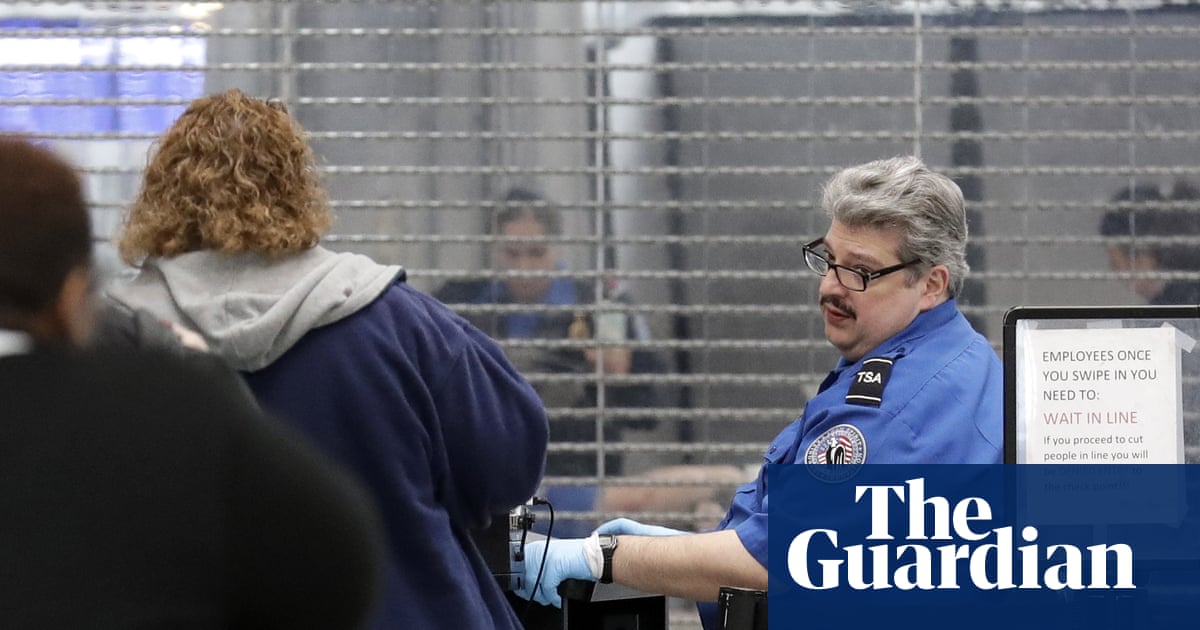
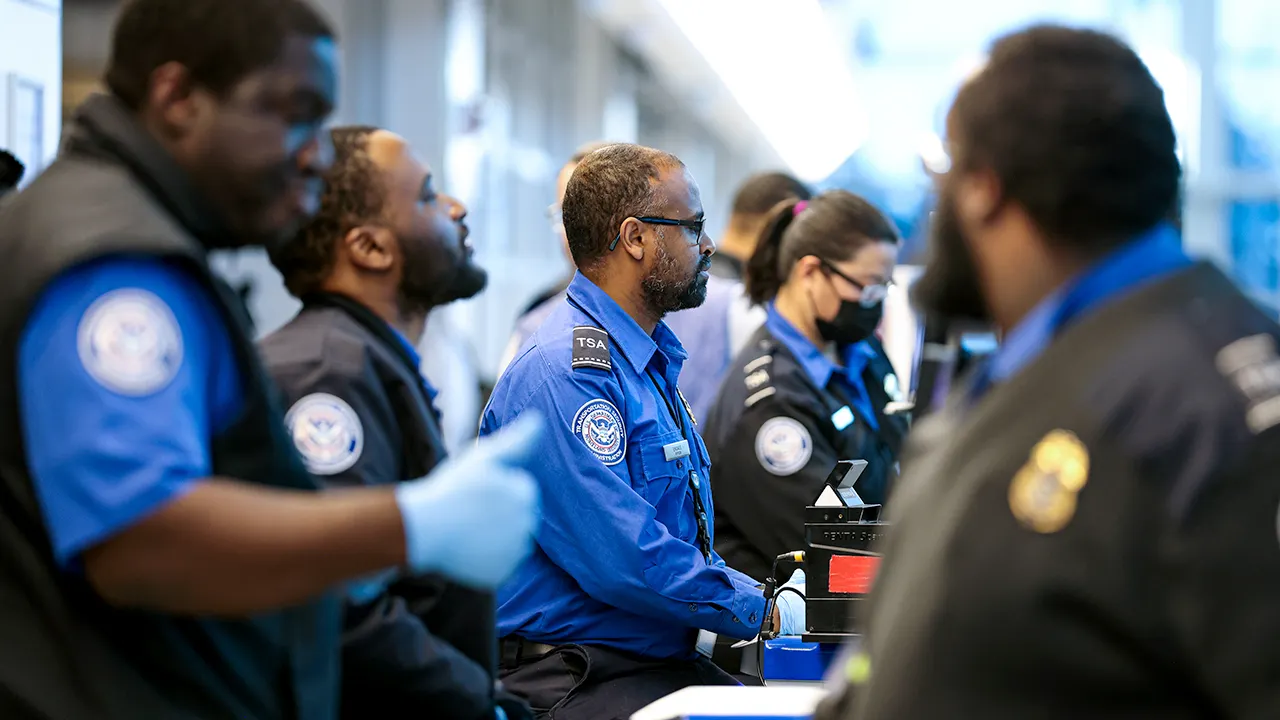
US airport security officers who verify boarding passes and IDs ahead of security checkpoints will no longer be allowed to sit down while working.
asserted
who → verify → checkpoints
The Transportation Security Administration (TSA) was moving forward with this change in policy to keep officers “alert”, the agency confirmed recently.
“This welcome change reinforces both our security posture and our commitment to hospitality by having these officers on their feet and alert,” a TSA spokesperson said in a statement to ABC News.
asserted
spokesperson → move → News
“All officers must meet fitness for duty requirements to be capable of performing their vital national security function while simultaneously creating a welcoming and professional environment for travelers,” the statement added.
asserted
statement → meet → travelers
The American Federation of Government Employees Council (AFGEC), the union representing TSA officers, pushed back on this decision and said in a statement that it was not involved in the decision.
asserted
it → represent → decision
“These chairs serve as basic ergonomic and safety support for officers that stand and walk on hard surfaces all day,” the union added.
asserted
union → serve → surfaces
“TSA is treating this matter like it is a privilege – it is not; it is basic safety and common decency for the workforce.”
asserted
it → treat → workforce
Additionally, the union is calling the TSA’s move a “disregard for employee rights and safety”.
asserted
union → call → rights
“This disregard for employee rights and safety is an example of a broad pattern of TSA’s true consideration of the employees who keep our nation safe,” the union’s statement said.
asserted
statement → keep → nation
The TSA has navigated a tumultuous year after withstanding a 76-day government shutdown from February to April that resulted in officers working without pay.
asserted
officers → navigate → pay
Due to the shutdown, some TSA workers did not report for unpaid duty or quit their jobs – and lines at security checkpoints grew across the US.
asserted
lines → report → US
TSA workers were finally paid at the end of March after a presidential order from Donald Trump.
asserted
workers → pay → Trump
The government shutdown ended on 30 April after the US House passed a bill funding the Department of Homeland Security.
asserted
House → end → Security
Furthermore, the labor union is raising alarms over a new program that will expand privatizing security checkpoints at three airports.
asserted
that → raise → airports
The AFGE has been reviewing legal options to fight back against the privatization push from the Trump administration.
asserted
AFGE → review → administration
As TSA workers navigate the growing changes to the agency under the Trump administration, the union is urging congressional and senatorial leaders to join its “collective resistance” against the administration.
“This is an opportune time to meet with members and non-members alike to tell and show them the importance of joining this union to form our collective resistance against this regime that is literally attempting to take out our workforce through whichever means possible,” it concluded.
asserted
it → navigate → means
 The Aporia