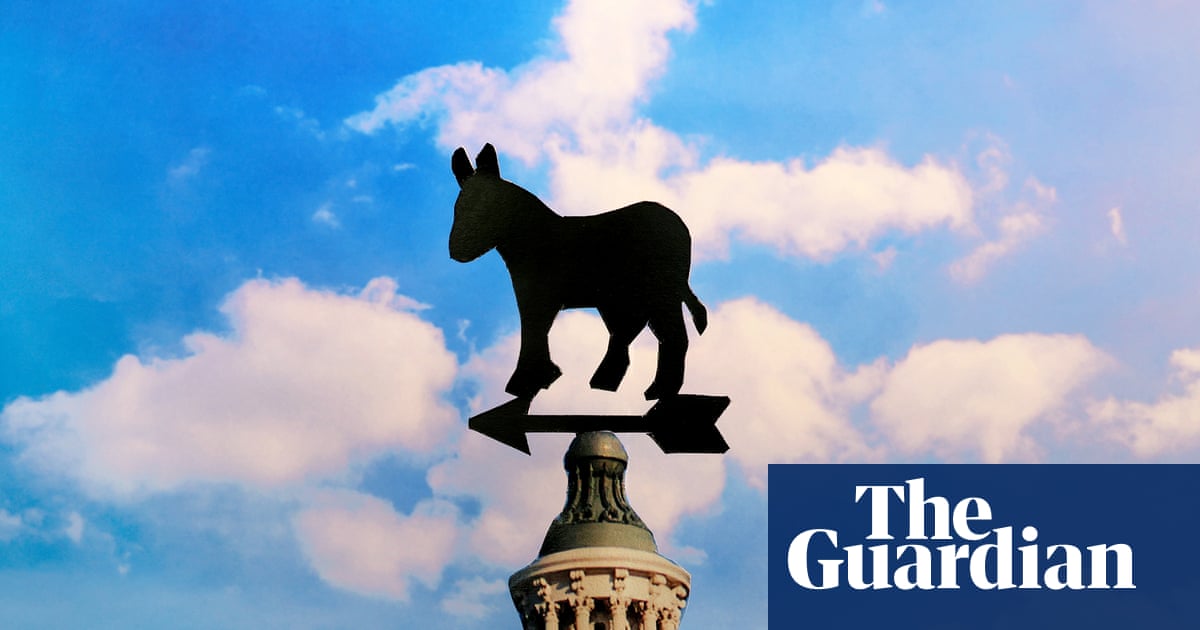
Held midway through each four-year presidential term, midterm elections give voters a chance to choose local representatives, weigh in on state issues, and determine which party controls Congress.
asserted
party → hold → Congress
This year’s midterms will take place among unique challenges to the democratic process itself.
asserted
midterms → take → process
The Trump Administration has attempted to restrict mail-in voting and gather voter data from several states.
asserted
Administration → attempt → states
There have also been concerns raised about the presence of federal agents at polling stations, which President Donald Trump has not categorically ruled out.
asserted
Trump → raise → which
The TIME staff has put together answers to some of your most pressing questions about the midterm elections in our 2026 Voting Guide.
asserted
staff → put → Guide
Questions:
- What's on my ballot?
- Who can register to vote?
- How can I check my voter registration status?
- When is the deadline to register to vote?
- What documents do I need to register to vote?
- Can I vote if my voter registration is inactive?
- How can I update my registration (change of name, address, party enrollment)?
- How do I vote early—and what are the benefits of early voting?
- How do I request an absentee ballot?
asserted
I → register → ballot
- What's the difference between absentee voting and vote-by-mail?
- How do I know if my mail-in ballot arrived and was counted?
- What if there’s an issue with my mail-in ballot?
asserted
ballot → know → ballot
Can I fix it?
asserted
I → fix → it
- Do I need to bring my ID to vote?
- What’s the best time to vote to avoid long lines?
- Can I bring my kids or dog to the polls?
asserted
I → need → polls
- What should I do if someone tries to stop me from voting?
- What do I do if I see ICE or federal agents at the polls?
asserted
I → do → polls
Unlike presidential election years, there is no candidate or issue that appears on every ballot across the U.S. in 2026.
asserted
that → be → 2026
Instead, the ballots in every state will vary—and many will be different from county to county, as well.
asserted
many → vary → county
In four states—Idaho, Missouri, Nevada, and Virginia—voters will be deciding on ballot measures concerning abortion rights.
asserted
voters → decide → rights
Voters in six states, including Alaska and Arizona, will decide on whether to add or strengthen citizenship requirements for voting in state and local elections.
asserted
Voters → include → elections
There are multiple ways for voters to request a sample ballot so they can see both what propositions will be on their state ballot and what local, state, and federal positions will appear on their ballot.
asserted
positions → be → ballot
Vote.org and Ballotpedia both have sample ballot lookup tools.
asserted
Vote.org → have → tools
Many official websites—including those in Minnesota, Wisconsin, and New York City—also have their own “What’s On My Ballot” pages, which allow voters to enter their address and look up a sample ballot.
asserted
voters → include → ballot
Who can register to vote?
asserted
Who → register → ?
People can register to vote in federal elections if they are a U.S. citizen and meet their state’s eligibility and registration requirements.
asserted
they → register → requirements
Voters generally must be 18 years old on or before Election Day, although almost every state allows people to register before their birthday if they will be 18 by Election Day.
asserted
they → allow → Day
North Dakota does not require voter registration.
asserted
Dakota → require → registration
Voters must also meet their state’s residency requirements, but people who are experiencing homelessness or who are between homes also are able to vote.
asserted
who → meet → homes
Depending on state law, they may need identification.
uncertain
they → depend → identification
They can generally use a shelter, religious center, or P.O. box as a mailing address and identify the place where they live or sleep as their residential address.
asserted
they → use → address
Non-citizens, including permanent legal residents, can vote in some local elections but cannot vote in federal or state elections.
asserted
citizens → include → elections
In some states, people who were convicted of a felony or are currently incarcerated are also restricted from voting.
asserted
who → convict → felony
Check this federal voter guide for voting after a felony conviction to see what rules exist in your state.
asserted
rules → check → state
How can I check my voter registration status?
asserted
I → check → status
You can check if you’re registered to vote by going to the National Association of Secretaries of State website.
asserted
you → check → website
After you choose your state in the dropdown menu, you’ll be sent to the state’s election website.
asserted
you → choose → website
The information required to check if your voter registration is active varies by state, but most will ask for information like your name, date of birth, and address.
asserted
most → require → birth
If you’re not already registered to vote, you may be able to register online, by mail, or in person, depending on your state.
uncertain
you → register → state
When is the deadline to register to vote?
asserted
deadline → register → ?
The deadline to register to vote varies by state.
asserted
deadline → register → state
What documents do I need to register to vote?
asserted
I → need → documents
In most cases, you will need a driver’s license or state identification card—or information from one—to register to vote.
asserted
you → need → one
If you don’t have either, your state may accept other documentation, such as a utility bill or bank statement.
uncertain
state → have → bill
Requirements vary by state, so check with your state election office to find out what information and documents you will need.
asserted
you → vary → information
Can I vote if my voter registration is inactive?
asserted
registration → vote → ?
Your registration may be marked inactive if election officials believe you have moved and you do not respond to a notice asking you to confirm your address.
uncertain
you → mark → address
…and 74 more, not listed.
 The Aporia