The article discusses how media outlets initially reported on a potential terrorist attack involving a FlyDubai flight headed to Israel with cautious language, avoiding speculation about motives. The New York Times and the BBC were criticized for using terms like “altercation” instead of explicitly mentioning possible terrorism or violence. In contrast, NBC and ABC reporters used more direct language early in their coverage. The article highlights how some networks hesitated to label the incident as terror due to potential political implications, while others, like PBS News Hour anchor Geoff Bennett and analyst Juliette Kayyem, emphasized the need for responsible reporting without jumping to politicized conclusions.
Written locally by qwen2.5:14b on 2026-10-03,
using this article's own text rather than the other coverage of the
same event (that is the story summary below).
When news of a potential terrorist attack breaks, the first draft can sound like an attempt to maintain political correctness.
asserted
draft → break → correctness
The New York Times came under attack on Wednesday for tweeting, "A plane flying from Dubai to Israel was diverted after an altercation between the pilot and co-pilot, Israeli officials said.
asserted
officials → come → pilot
After people mocked the "altercation" lingo, the Times PR team counter-attacked: "Our headlines and live coverage contain all the facts we're able to confirm as we confirm them.
asserted
we → mock → them
Unlike activists and partisans, we don't publish speculation or unverified information."
uncertain
we → publish → speculation
Anyone who thinks The Times doesn’t give off partisan activist vibes isn’t reading it.
asserted
Times → think → it
The British Broadcasting Corporation posted a similarly bland breaking-news headline: "Israel-bound flight diverted after fight between pilots."
asserted
flight → post → pilots
This sounded a little like a verbal spat.
asserted
This → sound → spat
At least the brief report underneath relayed, "Two Israeli officials said the co-pilot is believed to have stabbed the captain and tried to crash the plane.
asserted
pilot → relay → plane
The American broadcast networks didn’t perform this way on Wednesday morning.
asserted
networks → perform → morning
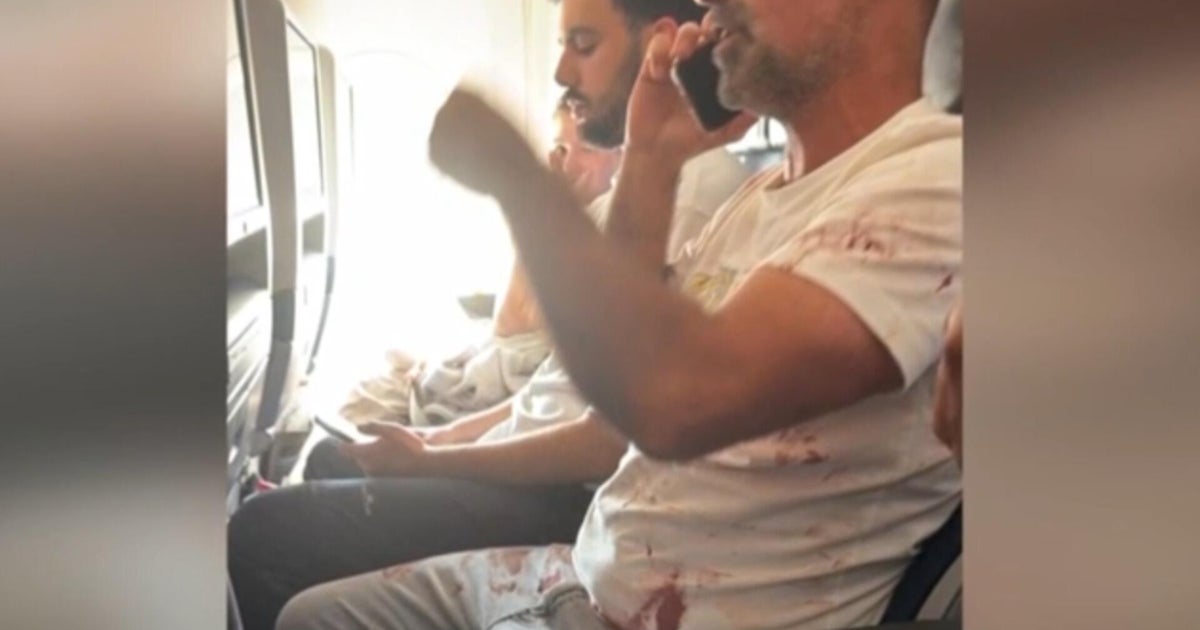
On "Today," NBC reporter Matt Bradley was more straightforward: "There was some sort of violent incident on board that flight.
asserted
Bradley → be → board
The plane sent out a hijacking alert."
asserted
plane → send → alert
A passenger on the plane correctly relayed the pilot had been stabbed.
asserted
pilot → relay → plane
ABC’s Ian Pannell used the T-word: "This is a rapidly developing story, but it is looking increasingly like a terrorist incident.
asserted
it → use → incident
But the usual instinct for elitist media is to move very slowly to guess about the motive – even if it might seem obvious.
uncertain
it → move → motive
An attempted hijacking of a plane full of Israelis headed for Tel Aviv suggests a hostility to Israel.
uncertain
hijacking → attempt → Israel
The Israelis clearly suspected a new version of the 9/11 hijacking, as the networks reported they scrambled jets to intercept the Boeing 737 Max before standing down.
asserted
they → suspect → Max
But some networks had to smell politics in their hunt for a motive.
asserted
networks → have → motive
"PBS News Hour" anchor Geoff Bennett talked to former Clinton and Obama official Juliette Kayyem.
asserted
Bennett → talk → Kayyem
He began: "Israel's prime minister says the co-pilot underwent what he called Islamist radical indoctrination.
asserted
he → begin → what
President [Donald] Trump has pointed to Iran.
asserted
Trump → point → Iran
Neither has provided evidence. …
asserted
Neither → provide → evidence
What can we responsibly say, if anything, about the motive at this point?"
asserted
we → say → point
Kayyem replied: "Right.
asserted
Kayyem → reply → ?
So, and I'm glad you say that about responsibly say.
asserted
you → say → that
After every crisis, terror incident, disaster, there's a narrative that forms very early that is often pushed for political reasons.
asserted
that → be → reasons
I think we should just put those to the side aside right now, that that just happens.
asserted
that → think → side
Then Kayyem acknowledged that it seems obvious that the "leading theory" would be a co-pilot trying to crash a plane of Israelis in Israel suggests terrorism.
uncertain
theory → acknowledge → terrorism
"What we don't know and the suspicion or allegations that this is related to a terrorist organization or even Iran is what that radicalization process was like."
asserted
process → know → what
It could be self-radicalization, or "If it's state-sponsored terrorism, like Iran, a country that Israel and the United States have started a war against, that is a very different consequence."
uncertain
that → sponsor → war
But she suggested it could just be "mental-health" issues.
uncertain
it → suggest → ?
An expert on CNN suggested it might just be "workplace violence."
uncertain
it → suggest → CNN
NPR’s "Morning Edition" turned to Democrat-leaning former CNN analyst Philip Mudd, asking him if the political motivations of Trump and Israeli Prime Minister Benjamin "Bibi" Netanyahu are going to cloud the investigation.
asserted
motivations → turn → investigation
The British Broadcasting Corporation posted a similarly bland breaking-news headline: "Israel-bound flight diverted after fight between pilots."
asserted
flight → post → pilots
This sounded a little like a verbal spat.
asserted
This → sound → spat
Terrorism incidents during election season might remind Americans of Sept. 11, 2012 – when a pack of terrorists broke into the American consulate in Benghazi, Libya, leading to the death of the U.S. ambassador and three other Americans.
uncertain
pack → remind → ambassador
All the networks turned on Republican nominee Mitt Romney for questioning President Barack Obama’s handling of Libya.
asserted
networks → turn → Libya
A Media Research Center analysis of the first night of Benghazi coverage found the Romney-is-rude angle received nine minutes and 28 seconds of coverage on ABC, CBS, and NBC, while only 25 seconds focused on Obama’s Middle East policies.
asserted
seconds → find → policies
Obama turned to CBS reporter Steve Kroft, his reliable "60 Minutes" softball pitcher, and said, "Governor Romney seems to have a tendency to shoot first and aim later" when you have to "make sure that the statements you make are backed up by the facts."
asserted
you → turn → facts
Kroft nudged: "Do you think it was irresponsible?"
asserted
it → nudge → ?
Obama said, "I’ll let the American people judge that."
asserted
people → say → that
…and 5 more, not listed.
 The Aporia