The Aporia
Reuters. (2026, September 6). Germany plans anti-sabotage shield after airport drone attack. South China Morning Post. https://www.scmp.com/news/world/europe/article/3366553/germany-plans-anti-sabotage-shield-after-airport-drone-attack?utm_source=rss_feed
Reuters. “Germany plans anti-sabotage shield after airport drone attack.” South China Morning Post, 6 Sept. 2026, https://www.scmp.com/news/world/europe/article/3366553/germany-plans-anti-sabotage-shield-after-airport-drone-attack?utm_source=rss_feed.
Reuters. “Germany plans anti-sabotage shield after airport drone attack.” South China Morning Post, September 6, 2026. https://www.scmp.com/news/world/europe/article/3366553/germany-plans-anti-sabotage-shield-after-airport-drone-attack?utm_source=rss_feed.
Dated when The Aporia collected the article, usually within hours of publication. Check the original for its exact date and byline.
In February 2022, Russia invaded Ukraine, leading Germany to abandon its decades-long policy of energy partnership with Russia centered around the Nord Stream gas pipeline. The German chancellor at the time, Olaf Scholz, announced a significant shift in foreign and security policy, termed the Zeitenwende. This marked a dramatic end to the spirit of cooperation that had existed between Germany and Russia since World War II.
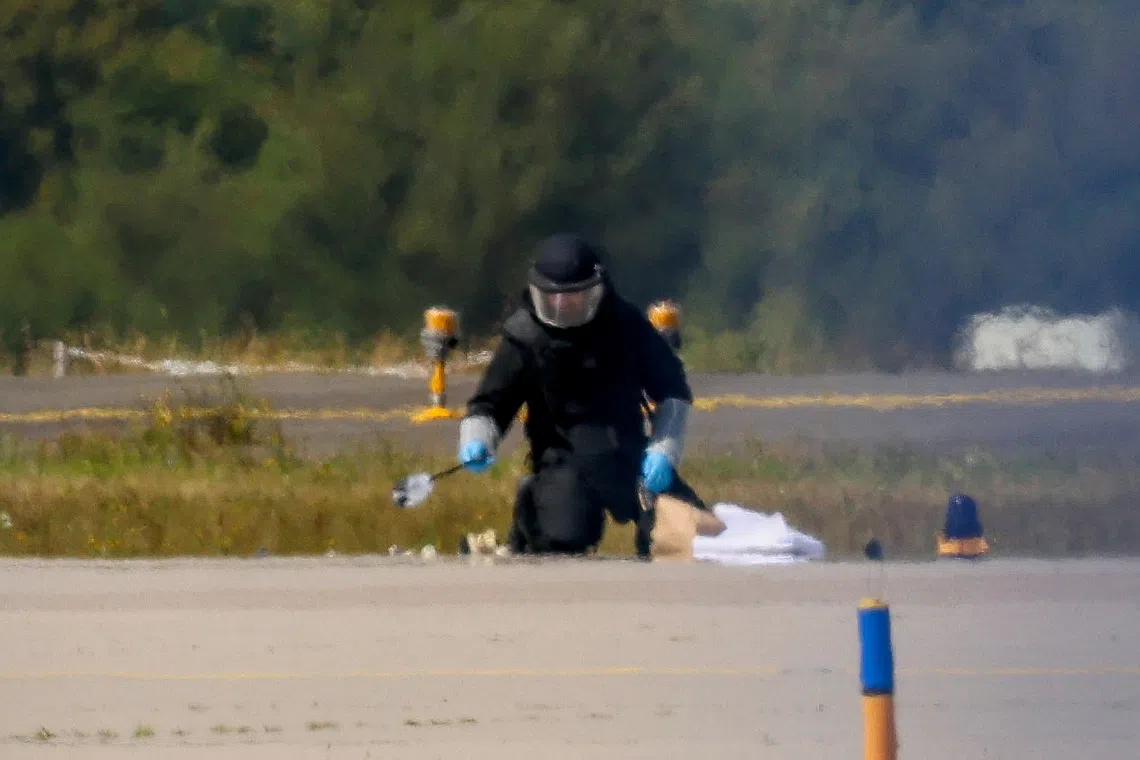
In August 2023, tensions escalated when a drone loaded with explosives was found near a Ukrainian cargo plane at Leipzig/Halle Airport in Germany. The German government accused Russia of being behind this attack, prompting Berlin to summon Moscow's ambassador for condemnation. In response, the Russian Security Council deputy chairman Dmitry Medvedev threatened direct military strikes against Germany.
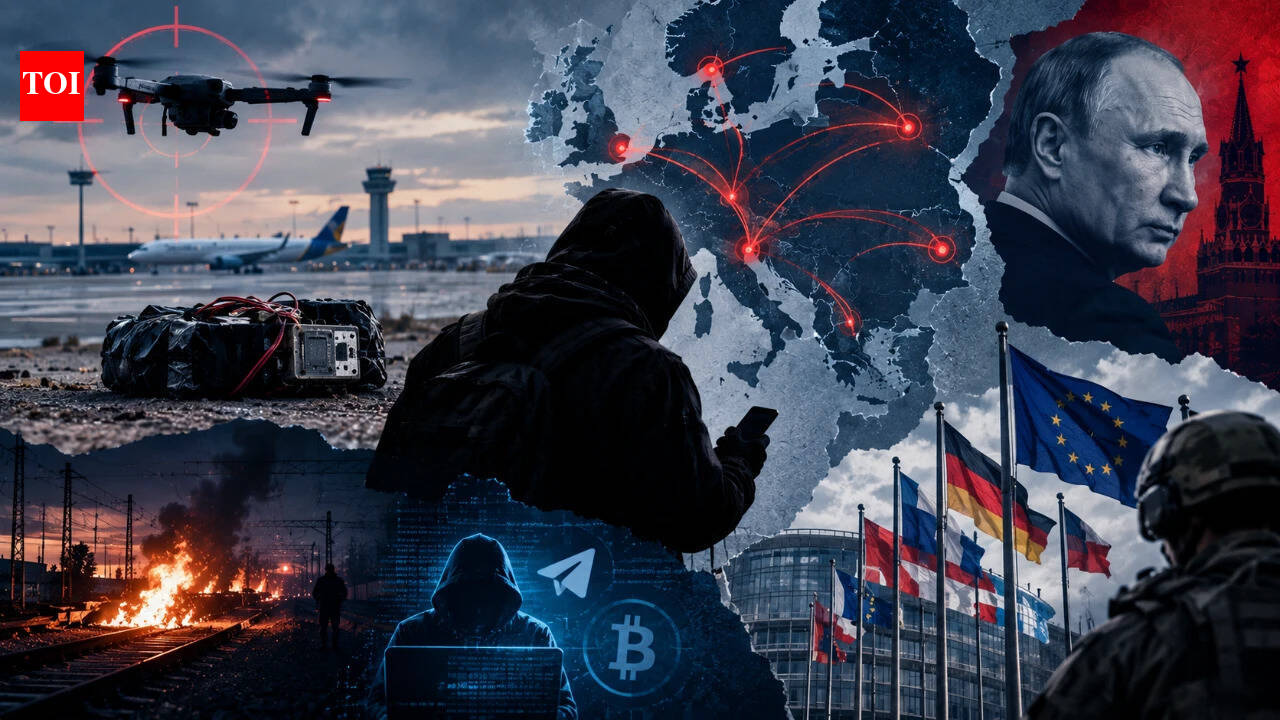
Several European countries have reported suspicious fires and attacks on defense facilities, with Italy, Estonia, and Poland among those targeted. The British government also summoned a senior Russian diplomat to protest the Leipzig incident, aligning with Germany’s stance that such actions are part of a broader campaign by Russia aimed at undermining support for Ukraine.
NATO has warned it will not tolerate hybrid war tactics against its members. In September 2023, Matthew Whitaker, the US ambassador to NATO, emphasized that the Leipzig attack was particularly concerning due to the risk it posed to critical infrastructure and energy assets. Germany is now planning a national "cyberdome" to detect hacking attempts and has increased police capabilities for drone defense.
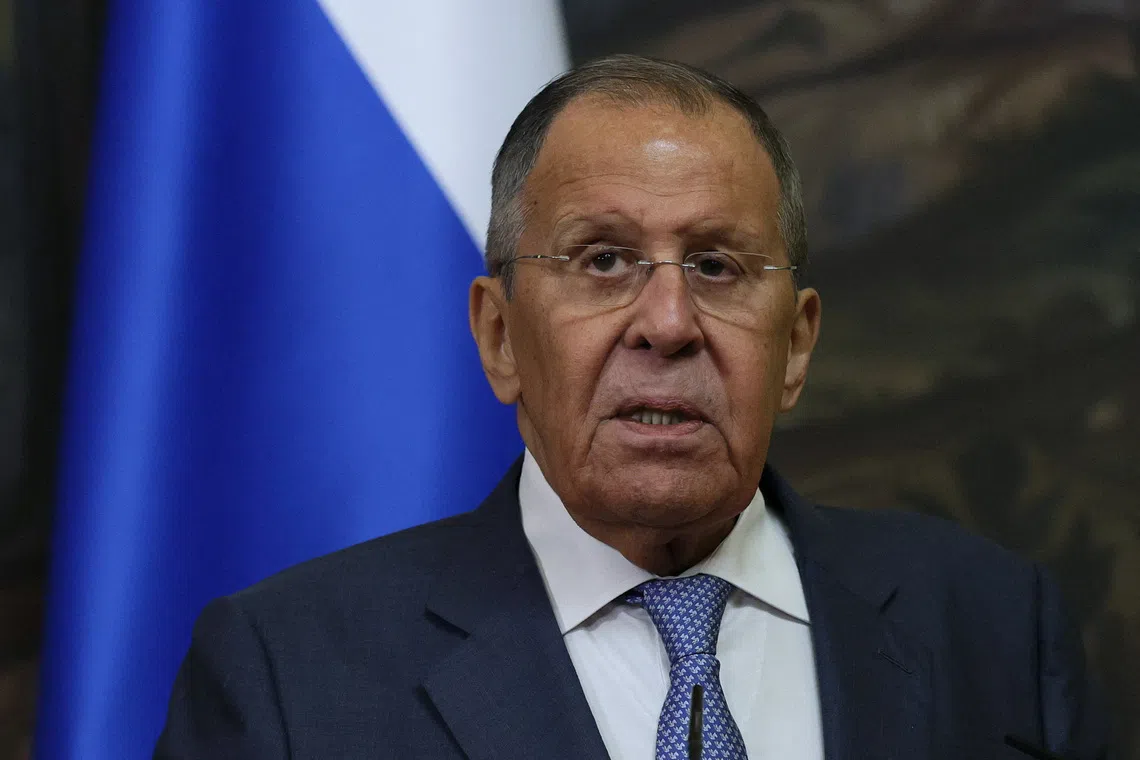
Meanwhile, Russia continues to deny any involvement in these incidents and has retaliated by closing some diplomatic offices in Germany, with Foreign Minister Sergey Lavrov accusing Germany of moving towards direct military confrontation.