The Aporia
The Aporia
The Aporia
The Straits Times. (2026, September 5). Masked anti-migrant protesters disrupt Britain’s biggest international ferry port. The Straits Times. https://www.straitstimes.com/world/europe/masked-anti-migrant-protesters-disrupt-britains-biggest-international-ferry-port
The Straits Times. “Masked anti-migrant protesters disrupt Britain’s biggest international ferry port.” The Straits Times, 5 Sept. 2026, https://www.straitstimes.com/world/europe/masked-anti-migrant-protesters-disrupt-britains-biggest-international-ferry-port.
The Straits Times. “Masked anti-migrant protesters disrupt Britain’s biggest international ferry port.” The Straits Times, September 5, 2026. https://www.straitstimes.com/world/europe/masked-anti-migrant-protesters-disrupt-britains-biggest-international-ferry-port.
Dated when The Aporia collected the article, usually within hours of publication. Check the original for its exact date and byline.
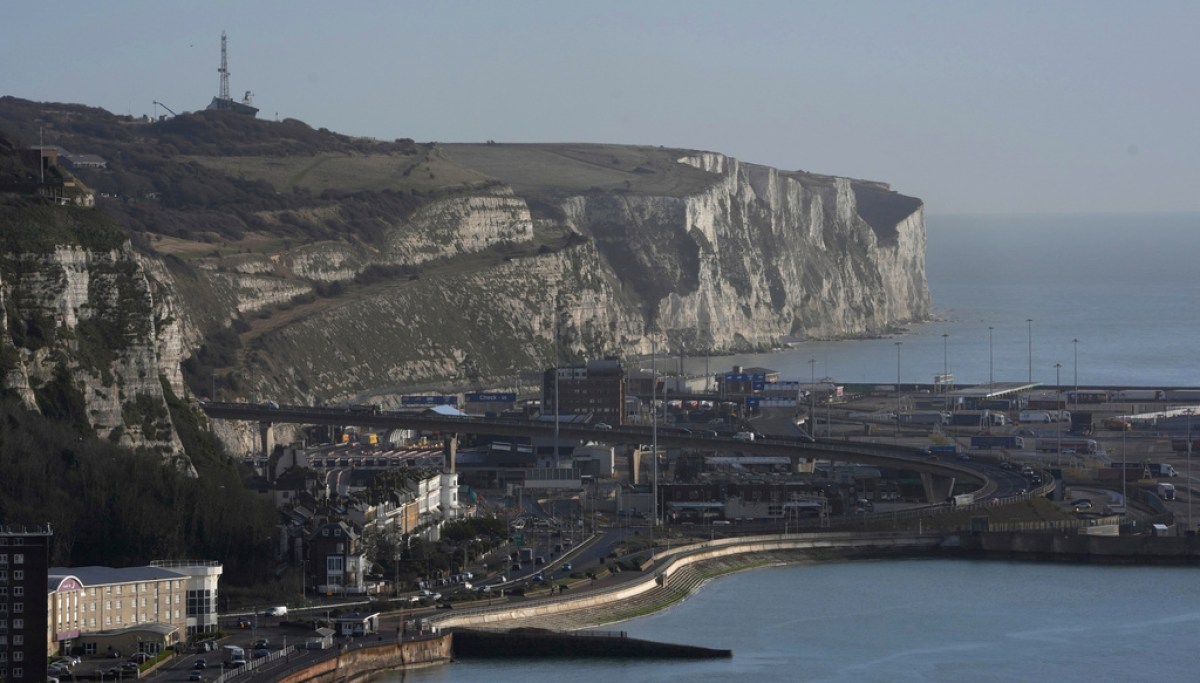
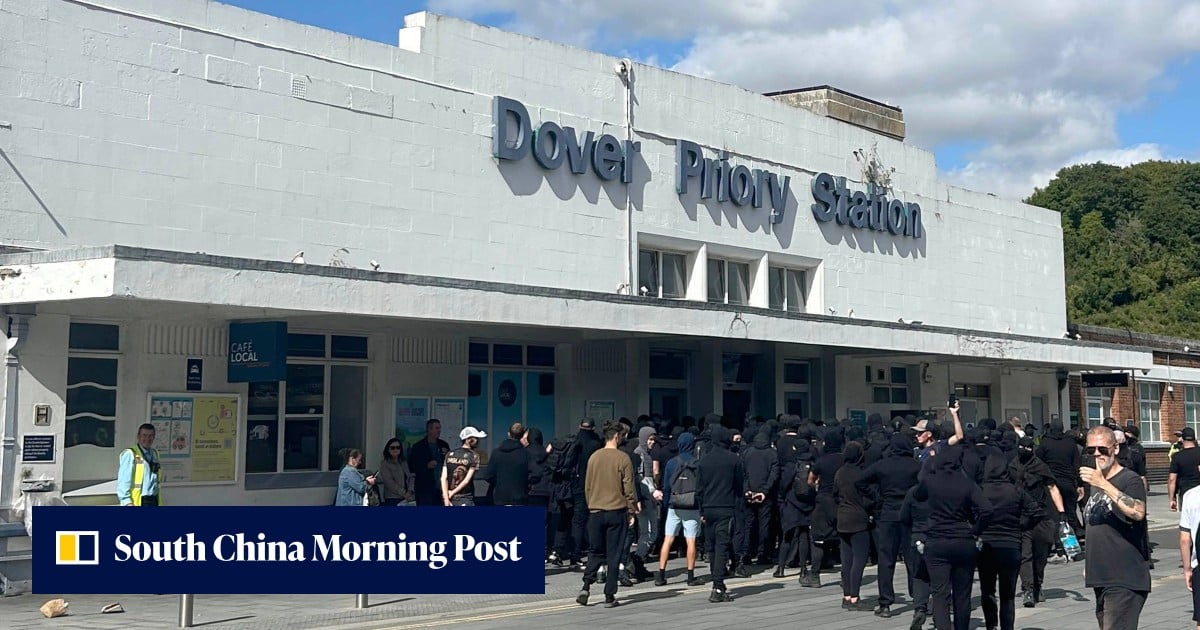
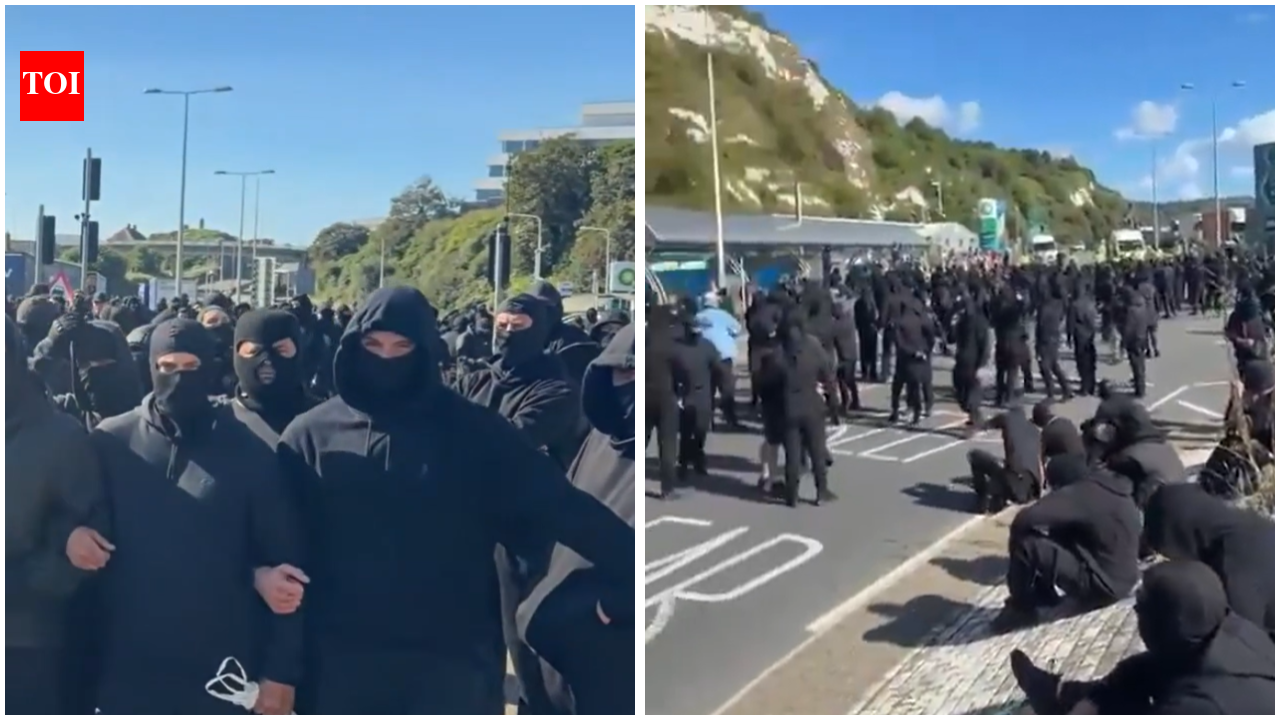
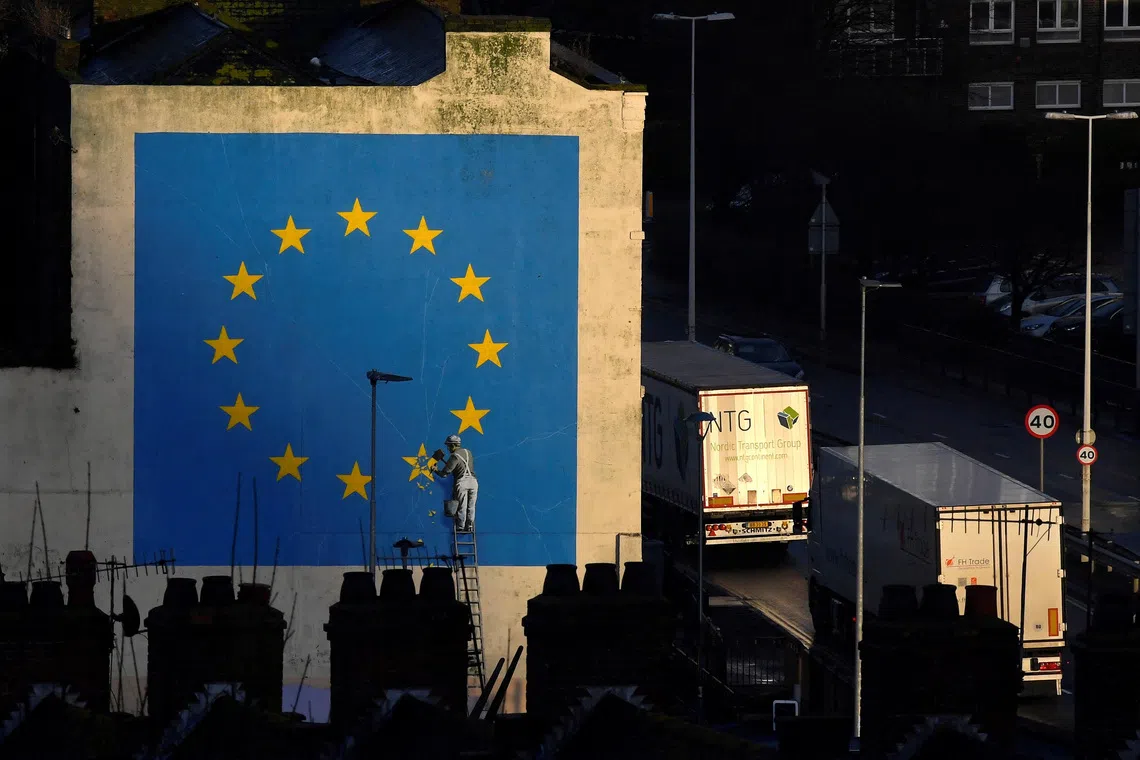
A group of masked men blocked roads leading to the Port of Dover in southern England on September 5, causing traffic chaos and disrupting ferry services between France and Britain. The protesters, who were estimated to be several hundred in number, chanted "stop the boats" as they stood across major roads near the port. The protest was described by Kent Police as "spontaneous", but critics have questioned whether the police were adequately prepared for the demonstration.
The Port of Dover reported that all traffic entering and leaving the port was stopped due to an ongoing public order incident, while National Highways said a 6.4-kilometer traffic jam had formed, causing delays of up to 45 minutes. P&O Ferries, which runs services between Dover and Calais in France, said its boats were running on schedule, but passengers who missed their ferry would be offered the next available crossing.
The protest was linked by campaign organisation Hope Not Hate to a group called Patriot Platform, which is believed to have been founded by Daniel Thomas, an associate of far-right activist Tommy Robinson. The Labour Party government condemned the protest, saying it went beyond peaceful protest and caused unnecessary disruption to travelers and cargo vehicles.
Business Secretary Jonathan Reynolds told the BBC that while peaceful protest was essential to British life, the "intimidatory behavior" witnessed in Dover was unacceptable. Reform UK's Robert Jenrick also condemned the disruption but acknowledged the frustration with small boats crossing the Channel carrying migrants.
The incident has sparked criticism of the police response, with Dover District Council leader Kevin Mills saying officers appeared to be slow to keep roads and access routes open. Former Home Office minister Mike Tapp said he would be asking whether intelligence was "missed" and if extra police officers could have been drafted in from the Metropolitan Police to help deal with the disorder.
The protesters' motives were not immediately clear, but their chants suggested they were opposed to migrant crossings across the English Channel in small boats. The incident has highlighted ongoing tensions around immigration and border control in Britain.