Log in
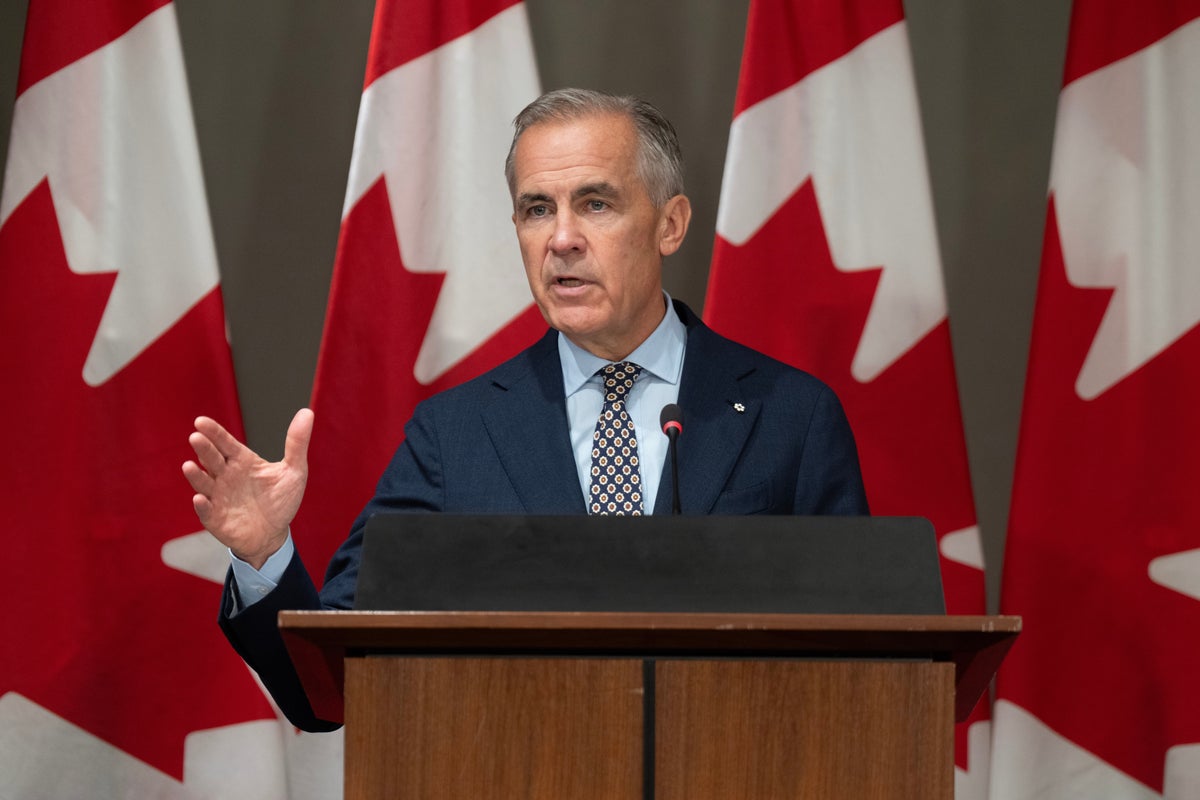
Canadian Prime Minister Mark Carney on Thursday fast-tracked a proposed million-barrel-a-day oil pipeline to the Pacific Coast, moving to reduce the nation’s dependence on the United States and heal ties with oil-rich Alberta as separatists push for a referendum on leaving Canada.
asserted
separatists → log → Canada
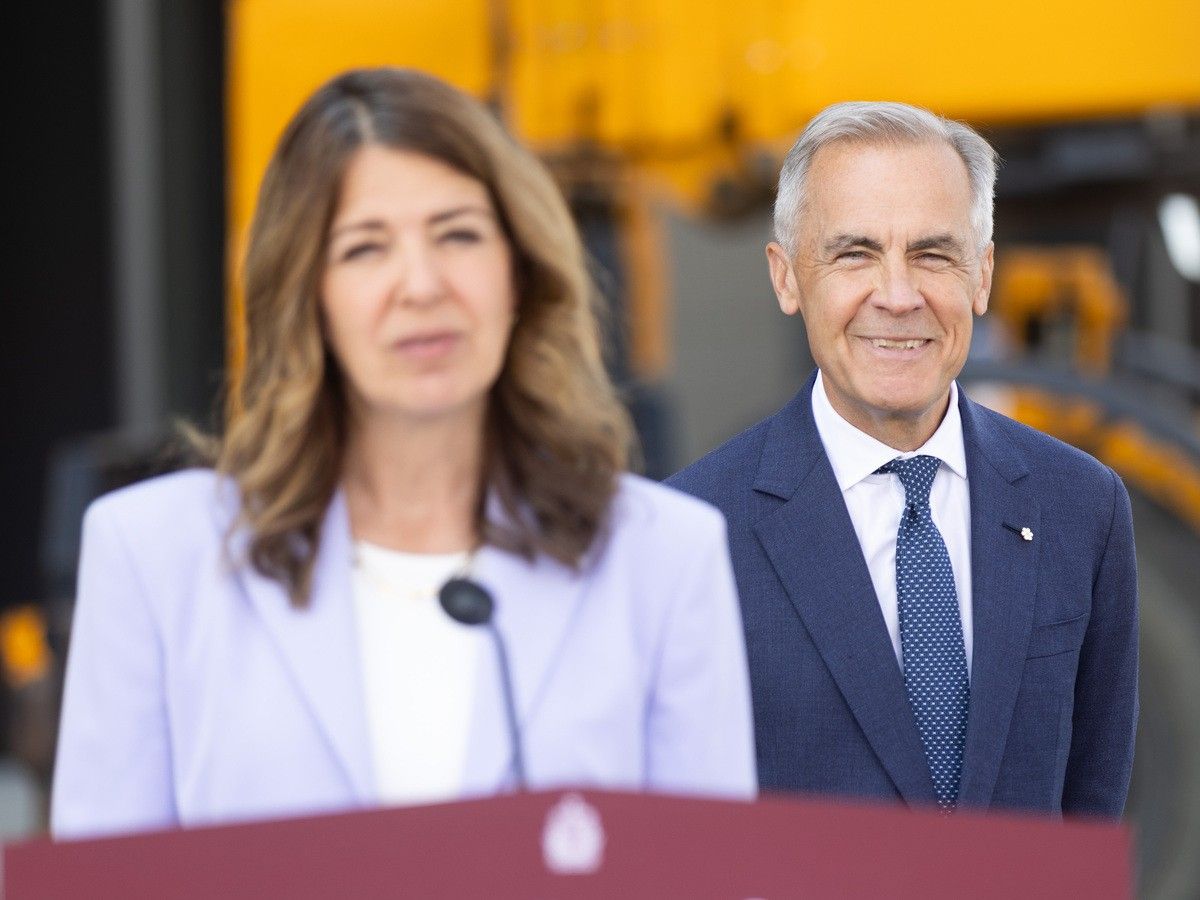
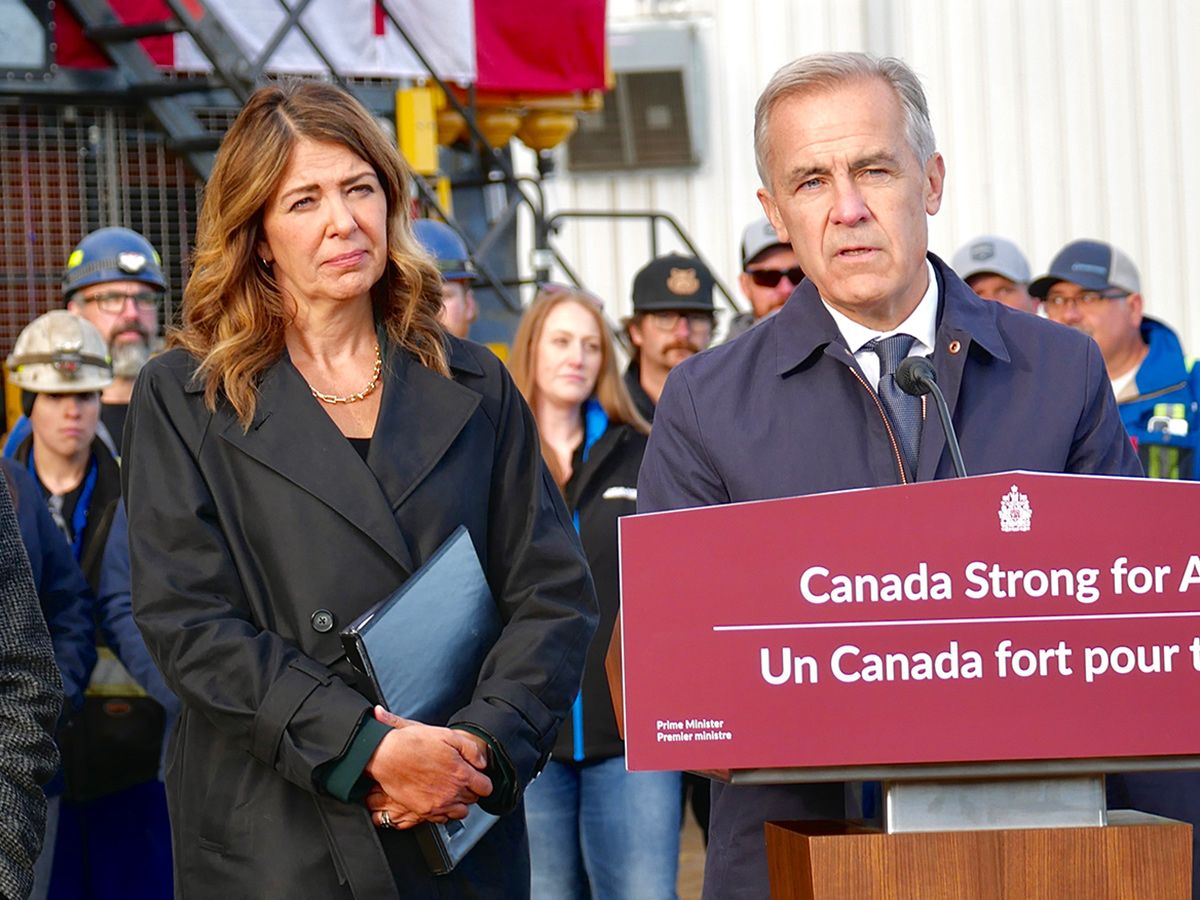
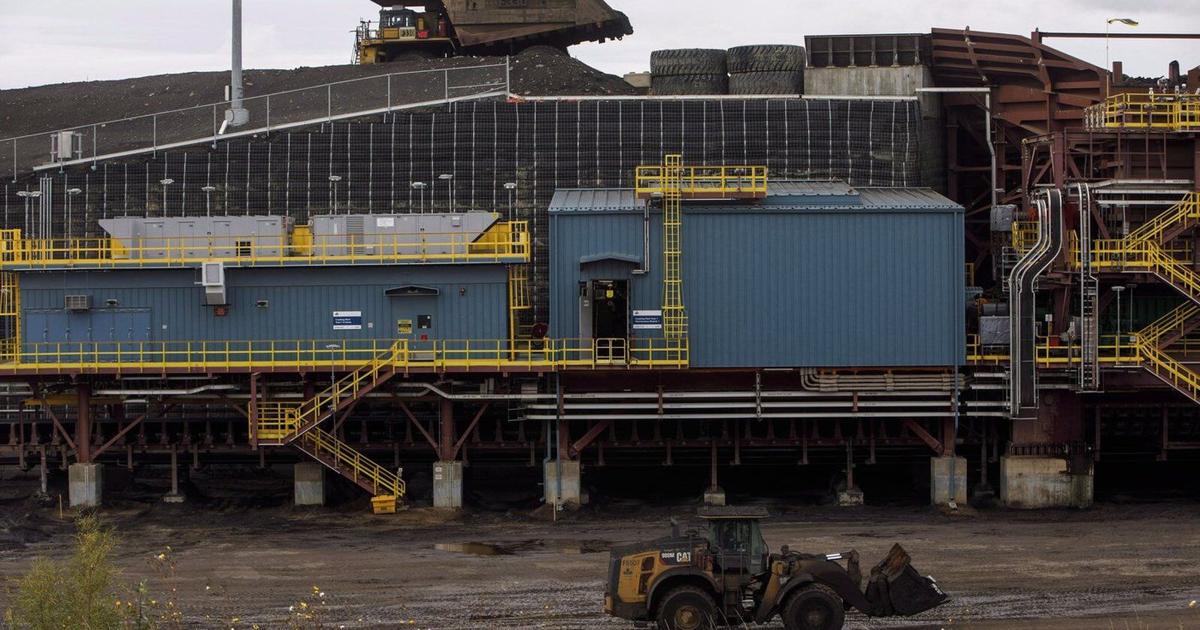
Carney, appearing alongside Alberta Premier Danielle Smith in Fort McMurray at the center of Canada’s oil sands, designated the line—now named Pacific Link—a project of national interest under legislation passed by his government to accelerate major infrastructure projects.
asserted
line → appear → projects
A bid to keep Alberta in Canada
Alberta is set to hold a public vote on Oct. 19 regarding whether to hold a referendum on seceding from Canada.
asserted
bid → keep → Canada
Smith has repeatedly argued that Carney’s predecessor, Justin Trudeau, stymied Alberta’s energy sector and stoked separatist sentiment.
asserted
predecessor → argue → sentiment
Smith indicated she will vote to keep Alberta in Canada, describing the roughly 22% support for separation in a recent poll as "still too high for my liking."
"I don’t like the fact that that many of our fellow citizens have given up on Canada," Smith stated, adding that the pipeline served as proof of how "cooperative federalism can work in action."
asserted
federalism → indicate → action
Asked what message Albertans weighing separation ought to gather from the decision, Carney said it showed that "Canada is working" and demonstrated what the country can accomplish when acting together.
asserted
country → ask → what
Ian Brodie, a political science professor at the University of Calgary and former chief of staff to Conservative Prime Minister Stephen Harper, suggested the announcement could still aid separatists by highlighting Alberta’s reliance on Ottawa.
uncertain
announcement → suggest → Ottawa
"There’s no reason this pipeline couldn’t have been fast-tracked in July, so we’ve lost three months in the project," Brodie said.
asserted
Brodie → ’ → project
"It’s a reminder that Alberta has to have a sympathetic prime minister in order to grow its oil sector.
asserted
Alberta → ’ → sector
We don’t control our fate.
asserted
We → control → fate
A pipeline to loosen the US grip
"Today, 90% of Alberta’s oil goes to the United States," Carney said.
asserted
Carney → loosen → States
"Pacific Link will materially reduce that dependence by allowing Canada to export an additional 1 million barrels a day to growing markets in Asia."
asserted
Canada → reduce → Asia
Carney framed Pacific Link as part of a wider effort to decrease Canada’s dependence on the United States and build "greater strategic autonomy, so we can continue to live our lives as we choose."
asserted
we → frame → lives
Carney has outlined a target of doubling Canada’s non-U.S. exports over the next decade.
asserted
Carney → outline → decade
The government reported that 90.1% of Canadian crude exports were delivered to the U.S. last year, characterizing the nation’s reliance on American-bound infrastructure as a "structural vulnerability."
It noted that Pacific Link, alongside improvements to the Trans Mountain system, could lower Canada’s fixed pipeline reliance on the U.S. from roughly 82%-83% of capacity down to 65%-70%.
uncertain
Link → report → %
The push occurs as U.S. President Donald Trump’s trade conflict and threats to Canadian sovereignty have prompted Carney to reduce Canada’s longstanding economic dependence on its neighbor to the south.
asserted
conflict → occur → south
The proposed 1,250-kilometer (775-mile) pipeline will extend from Bruderheim, northeast of Edmonton, Alberta, to a deepwater port near Delta, British Columbia.
asserted
pipeline → propose → Delta
It will largely follow the existing Trans Mountain route and load crude onto tankers bound for global markets.
asserted
It → follow → markets
Questions remain over money and opposition
The project carries an estimated cost of $25 billion to $31 billion and continues to face major questions regarding funding and whether oil producers will commit to using it.
asserted
producers → remain → it
The special designation does not equal final approval for the project.
asserted
designation → equal → project
Carney explained that proponents must still resolve engineering, cost, environmental, and other regulatory conditions before a final determination to move forward.
asserted
proponents → explain → determination
The federal government and Alberta government are contributing roughly US$2.8 billion upfront before the primary private investor has committed its required construction share.
asserted
investor → contribute → share
Calgary-based Pembina Pipeline Corp. holds a 10% economic interest in the initiative but has not yet supplied its share of construction capital.
asserted
Corp. → base → capital
A federal official stated Pembina would decide whether to make that investment at or prior to a final investment decision.
asserted
Pembina → state → decision
Asked how much federal taxpayers could ultimately contribute to the effort, Carney did not offer a figure, stating instead: "The Canadian taxpayer is going to make a lot of money off this pipeline."
uncertain
taxpayer → ask → pipeline
An open season to determine how much capacity oil producers want to contract is scheduled for next spring.
asserted
producers → determine → spring
Officials noted strong interest but admitted that accelerating the process does not guarantee the pipeline will secure sufficient shippers or capital to proceed.
asserted
pipeline → note → shippers
A senior government official suggested a faster approval process could attract additional private investment, while expanding access to Asia would give Canadian producers stronger leverage with buyers.
The official noted that the Trans Mountain expansion required 14 years from its inception in 2010 until the first crude flowed in 2024.
uncertain
crude → suggest → 2024
The pipeline also faces significant Indigenous and environmental hurdles.
asserted
pipeline → face → hurdles
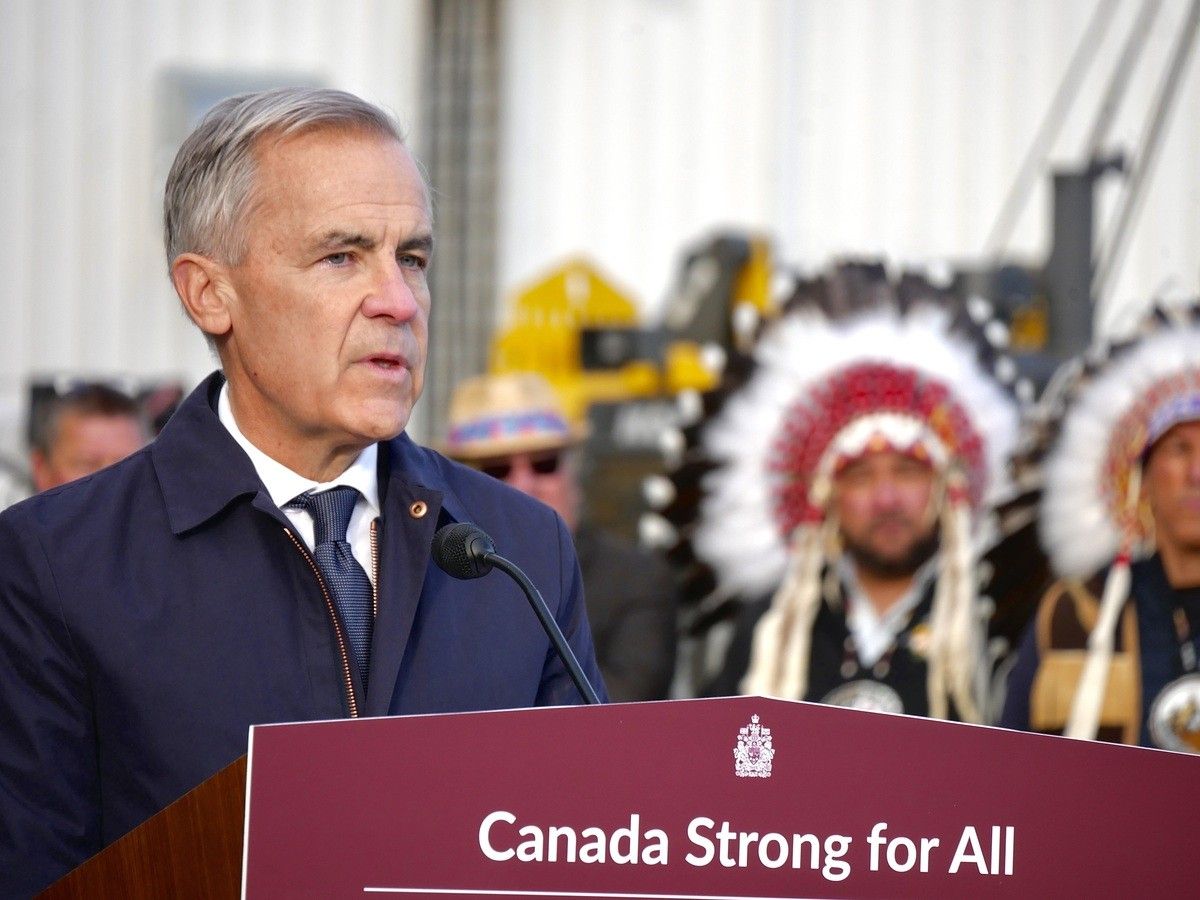
The government admitted that most consulted Indigenous communities were not ready to support listing the project based on available details, citing unanswered questions regarding route design, environmental impacts, marine shipping, and treaty rights.
asserted
communities → admit → design
Carney noted that the "real intensive consultation process will begin now."
asserted
process → note → ?
Canada, Alberta, and the project developers have pledged to offer Indigenous communities at least a 10% ownership stake in the pipeline.
asserted
Canada → pledge → pipeline
Carney said construction of the Pathways carbon-capture initiative would be a prerequisite for Pacific Link.
asserted
construction → say → Link
The government expects Pathways and related efforts to cut oil sands emissions by 16 million metric tons annually.
asserted
Pathways → expect → tons
However, the government acknowledged that the pipeline is expected to enable higher oil production and extra emissions.
asserted
pipeline → acknowledge → production
Carney said the government wants final regulatory conditions in place by September 2027, clearing the way for construction.
asserted
conditions → say → construction
The pipeline is targeted to begin operating around 2032 or 2033.
asserted
pipeline → target → 2032
 The Aporia
.jpg?trim=0,51,0,51&width=1200&height=800&crop=1200:800)