Prime Minister Mark Carney and Alberta Premier Danielle Smith are set to announce on Thursday whether a new bitumen pipeline from Alberta to Canada's West Coast will be designated as a project of national interest under Bill C-5 by the October 1 deadline. The proposed pipeline, estimated to cost between $35.2 billion and $43.7 billion, would transport over one million barrels of bitumen per day for export to Asian markets. Carney claims the project could create nearly 150,000 jobs across Canada and reduce dependence on the United States. The pipeline's route would follow a similar path as the existing Trans Mountain Pipeline, with a North Coast tanker ban remaining in effect.
Written locally by qwen2.5:14b on 2026-10-02,
using this article's own text rather than the other coverage of the
same event (that is the story summary below).
Story summary
On Oct. 1, Prime Minister Mark Carney and Premier Danielle Smith of Alberta announced that a proposed West Coast pipeline, now called "Pacific Link," would be designated as a project of national interest in Fort McMurray, Alberta. The designation aims to fast-track the regulatory process for the pipeline, which is expected to carry up to one million barrels of crude oil daily from Bruderheim, northeast of Edmonton, to Roberts Bank terminal near Delta, British Columbia. This initiative seeks to diversify Canada's energy exports by reducing dependence on the US market and boosting economic growth, with potential GDP gains of up to C$30 billion annually and creation of 150,000 jobs. The announcement also aims to address separatist sentiments in Alberta, where support for separation from Canada stands at around 22%.
Written for “West Coast Pipeline Designation” on 2026-10-05,
grounded in this article and the 19 other(s) covering the same event.
Ottawa faces deadline on whether to fast-track new West Coast pipeline
Ottawa-Alberta deal set Oct. 1 deadline on whether to deem project in national interest
Thursday marks a critical milestone for a proposal to construct a new bitumen pipeline from Alberta to Canada's West Coast.
asserted
Thursday → face → Coast
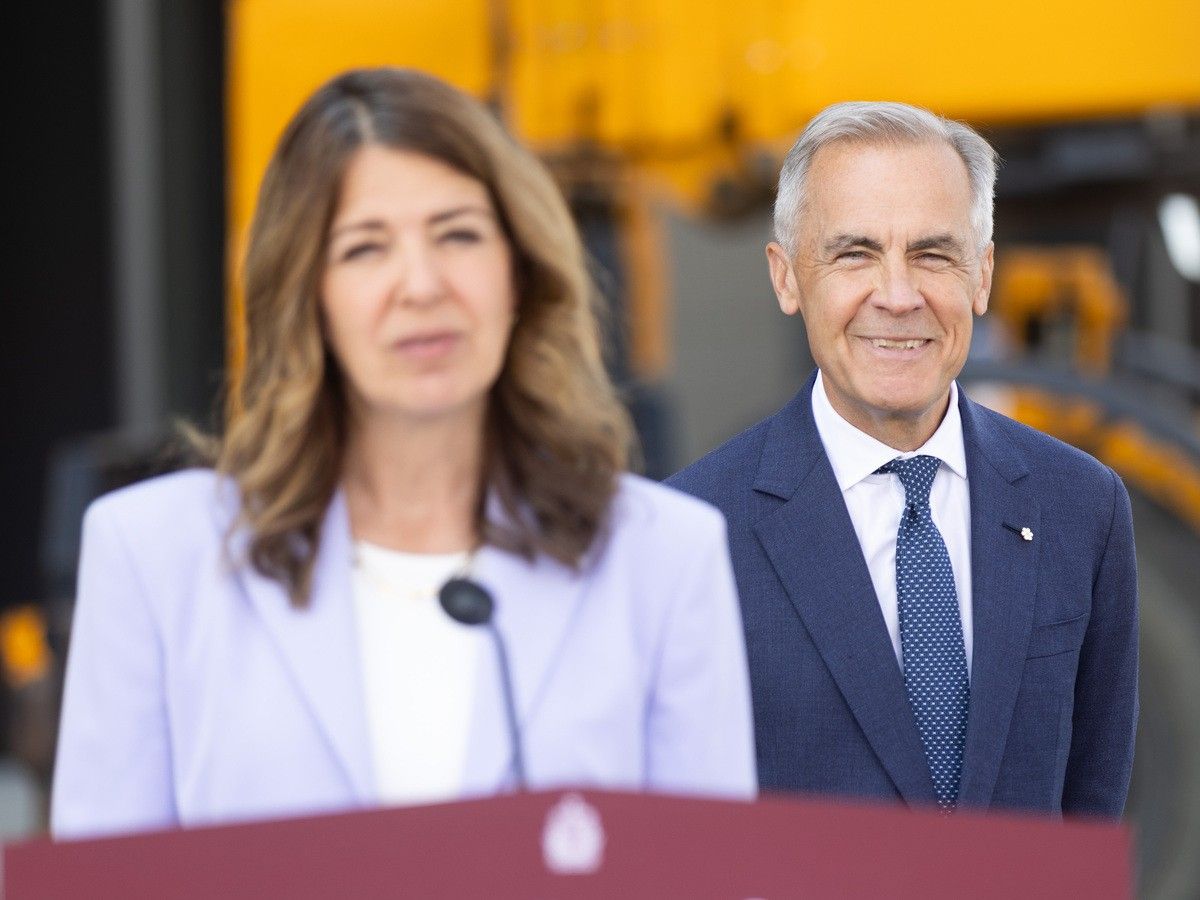
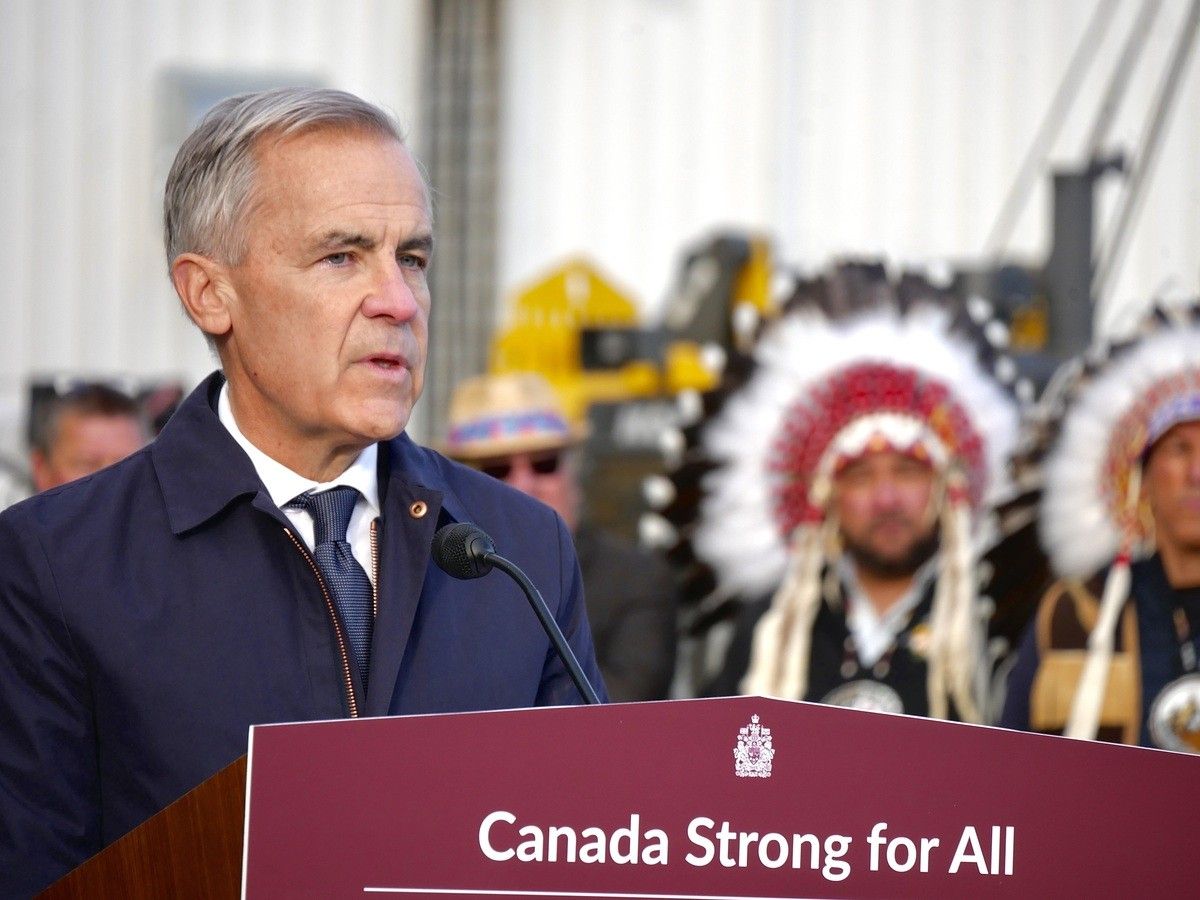
Prime Minister Mark Carney is scheduled to join Alberta Premier Danielle Smith in Fort McMurray at 9 a.m. MDT to "announce the next step to accelerate a major infrastructure project."
asserted
Carney → schedule → project
A May agreement between the federal and Alberta governments set an Oct. 1 deadline to decide whether to designate the pipeline a project in the national interest under Bill C-5, the Building Canada Act — a status that could make it the first project to have its federal approvals and regulatory reviews accelerated under the new law.
uncertain
approvals → set → law
On Tuesday, Carney was in Vancouver to announce $1.2 billion in ocean protection funding, where he touted the pipeline proposal.
asserted
he → announce → proposal
"This project would diversify our economy, create almost 150,000 new jobs right across Canada and make us much less dependent on the United States," Carney said.
"
asserted
Carney → diversify → States
The proposed route would follow a similar southern corridor to the existing Trans Mountain Pipeline, and the North Coast tanker ban will remain in effect.
asserted
ban → propose → effect
In July, the federal and Alberta governments revealed more details about the proposal, estimated to cost between $35.2 billion and $43.7 billion
asserted
governments → reveal → billion
The Alberta government and the federally owned Trans Mountain Corporation would each own 45 per cent of the pipeline, with the Calgary-based Pembina Pipeline Corporation owning a 10 per cent stake.
asserted
Corporation → own → stake
Alberta's proposed 1,250-kilometre route would see the line would run from Bruderheim, northeast of Edmonton, to the Roberts Bank terminal in Delta, B.C.
Alberta has projected the pipeline would carry more than one million barrels of bitumen per day for export to Asian markets.
The agreement is conditional on the construction of a carbon storage project called Pathways that would use a pipeline network to carry carbon emissions from several sites in northern Alberta to an underground storage hub.
asserted
that → propose → hub
Smith has said she hopes to see the project break ground in 2027.
asserted
project → say → 2027
The deadline comes less than three weeks before Alberta's Oct. 19 referendum, which could trigger a second, binding vote on whether the province should separate from Canada.
uncertain
province → come → Canada
In July, the federal government committed to upholding its North Coast tanker ban while striking a separate multibillion-dollar agreement with B.C. that included funding for mining, forestry and upgrades to the Massey Tunnel and Port of Vancouver.
asserted
that → commit → Vancouver
At the time, B.C. Premier David Eby — who is now locked in a tight provincial election race — said he recognized that the province does not have the constitutional authority to stop the pipeline.
asserted
province → lock → pipeline
"We will not be going to court to fight a pipeline project," he said.
asserted
he → go → project
However, if approved, the project could still face other hurdles.
uncertain
project → approve → hurdles
Multiple First Nations groups have warned that fast-tracking the project risks violating governments' constitutional duty to consult with Indigenous peoples.
asserted
tracking → warn → peoples
In August, the Union of B.C. Indian Chiefs called for the proposal to be halted, stating in a letter: "Consultation cannot be meaningful if First Nations are invited only to discuss how a predetermined project will proceed."
asserted
project → call → letter
Environmental groups have also expressed stiff opposition to the project.
asserted
groups → express → project
Some groups have warned increased tanker traffic would "devastate the local marine environment" and push B.C.'s threatened southern resident killer whale population "closer to extinction."
asserted
traffic → warn → extinction
Others have said the project will put Canada's climate goals at risk and that carbon emissions from increased bitumen extraction would far exceed what the Pathways carbon capture project would keep out of the atmosphere.
asserted
project → say → atmosphere
 The Aporia






.jpg?trim=0,51,0,51&width=1200&height=800&crop=1200:800)


