Off the coast of southwest England, the small island of Lundy was once a textbook case of how invasive rats can devastate seabird colonies.
asserted
rats → devastate → colonies
By the late 1990s, puffin numbers had crashed to just 13 breeding pairs, and many other seabirds had abandoned the island altogether.
asserted
seabirds → crash → island
In 2002, conservationists launched an ambitious rat-eradication project to give the island’s wildlife a second chance.
asserted
conservationists → launch → chance
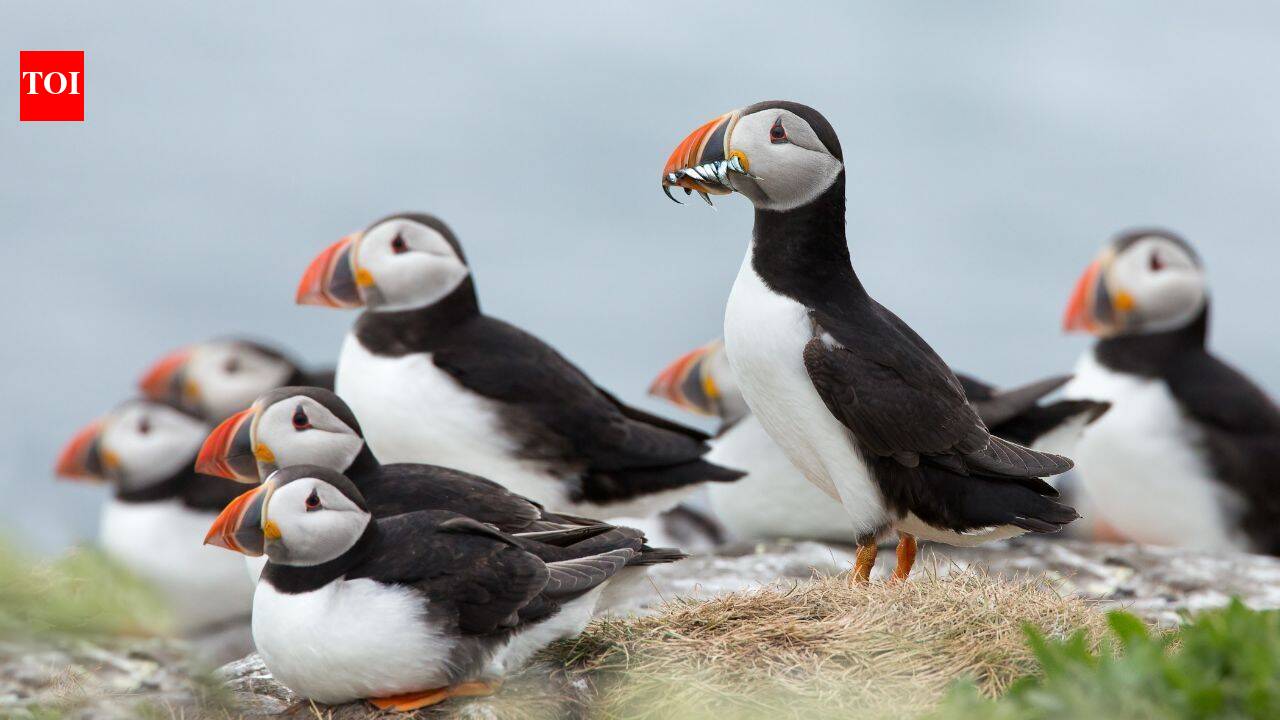
More than two decades later, the results are striking: puffins have rebounded to 1,335 individuals, and over 40,000 seabirds now return each year to nest on Lundy’s cliffs and burrows.
asserted
seabirds → rebound → cliffs
As documented by the Lundy Field Society and The Landmark Trust, the island’s transformation shows what is possible when a community commits to removing a single, destructive invasive species.
asserted
community → document → species
Its steep cliffs, grassy slopes and isolated location make it ideal for species such as puffins, guillemots, razorbills, Manx shearwaters and storm petrels.
asserted
it → make → puffins
Historically, tens of thousands of birds nested there, filling the air with calls and shaping the island’s ecology.
asserted
thousands → nest → ecology
Then came the rats.
asserted
rats → come → ?
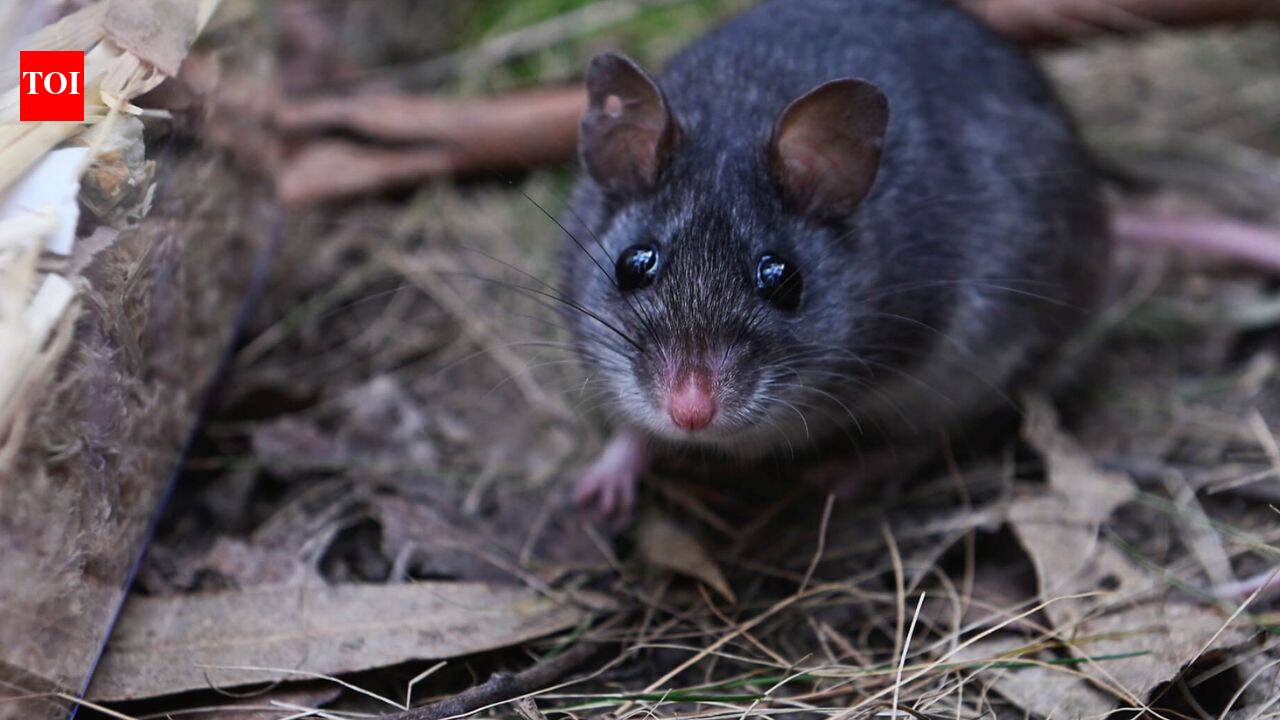
Introduced centuries ago by ships, brown rats (Rattus norvegicus) found an island paradise with no natural predators.
asserted
rats → introduce → predators
They multiplied rapidly, feeding on seabird eggs, chicks and even adults in some cases.
asserted
They → multiply → cases
Over time, many birds stopped returning to nest, or raised far fewer young.
asserted
birds → stop → young
Puffin surveys counted only 13 individuals, a fraction of historical levels.
asserted
surveys → count → levels
Other seabirds had also declined sharply, and the island’s reputation as a seabird stronghold was at risk.
asserted
reputation → decline → risk
The decision to eradicate ratsConservationists realised that without addressing the rat problem, seabird recovery on Lundy was unlikely.
asserted
recovery → eradicate → Lundy
In 2002, the Lundy Field Society, The Landmark Trust (which manages the island) and partner organisations launched a rat-eradication project.
asserted
which → manage → project
The goal was clear: remove every rat from the island and keep it rat-free, allowing seabirds to nest without constant predation.
asserted
seabirds → remove → predation
Lundy is not only a wildlife reserve, but a place to live, visit and bring livestock.
asserted
Lundy → live → livestock
Any eradication method had to be effective against rats, but also reduce risks to non-target species, people and pets.
asserted
method → have → species
After careful planning, teams used a combination of baiting strategies, monitoring and strict biosecurity measures to target the rat population across the entire island.
asserted
teams → use → island
rat numbers dropped and the island was declared rat-free, the ecological response began almost immediately.
asserted
response → drop → ?
Seabirds that had avoided Lundy for years started to return.
asserted
that → avoid → years
Burrows that had sat empty for decades were reoccupied.
asserted
that → sit → decades
Chick survival rates improved dramatically, as eggs and nestlings were no longer being eaten overnight.
asserted
eggs → improve → ?
Puffins, once reduced to just 13 individuals, showed one of the most dramatic recoveries.
asserted
Puffins → reduce → recoveries
Recent surveys count around 1,335 puffins on Lundy, a more than 100-fold increase from the low point in 2000.
asserted
surveys → count → 2000
These birds now dig burrows in the island’s soil, raise chicks and return year after year, forming one of the healthiest puffin colonies in the region.
asserted
birds → dig → region
A seabird powerhouse againThe recovery extends far beyond puffins.
asserted
recovery → extend → puffins
Today, more than 40,000 seabirds nest on Lundy each year, representing a wide range of species.
asserted
seabirds → nest → species
These include: guillemots and razorbills crowd the cliff ledges, laying their eggs on narrow rock shelves; manx shearwaters return at night to their burrows, filling the darkness with eerie calls; storm petrels, one of Europe’s smallest seabirds, breed in hidden crevices and burrows; and kittiwakes, fulmars and other species add to the noise and activity during the breeding season.
asserted
kittiwakes → include → season
For researchers and visitors, the island once again feels like a living seabird city, with constant movement between sea and shore.
asserted
island → feel → sea
Keeping Lundy rat-freeEradicating rats was only the first step; keeping them off the island is an ongoing challenge.
asserted
keeping → keep → island
Rats can arrive on visiting boats, in cargo or on drifting debris.
asserted
Rats → arrive → debris
Lundy has tough biosecurity protocols to guard against reinvasion:
asserted
Lundy → have → reinvasion
All incoming vessels and supplies are checked for rodents.
We also placed traps and monitoring stations around the island to catch any new rat activity early on.
asserted
We → check → activity
Residents, staff and visitors are trained to report signs of rats immediately.
asserted
Residents → train → rats
A single breeding pair of rats could, within a few years, rebuild a population large enough to threaten seabirds again.
uncertain
pair → rebuild → seabirds
The decades of work since 2002 depend on continued care and attention.
asserted
decades → depend → care
Why Lundy matters for conservationLundy’s story has become a reference point for island conservation around the world.
asserted
story → matter → world
Thousands of islands face similar problems: invasive rats, cats, mice and other predators driving declines in native birds, reptiles and invertebrates.
asserted
rats → face → birds
Lundy shows that: Large-scale rat eradication is feasible on inhabited islands with careful planning and community support; seabird populations can rebound quickly once predation pressure is removed; and long-term biosecurity is as important as the initial eradication effort.
asserted
biosecurity → show → effort
…and 14 more, not listed.
 The Aporia