Tom Panos, a real estate commentator, argues that despite the high interest rates of the early 1990s in Australia—peaking at 17.5 percent—today’s borrowers face greater challenges due to larger mortgage debts relative to household income. For instance, a $187,000 median home price in Sydney in 1990 with a $150,000 mortgage would incur an annual interest payment of roughly $25,000 at those rates. In contrast, today’s median house price is about $1.7 million, with an 80 percent mortgage amounting to around $1.36 million and an annual interest bill of approximately $87,000 at a rate of 6.4 percent. Panos highlights that current borrowers are also grappling with rising costs for essentials like groceries and electricity, adding further financial strain.
Written locally by qwen2.5:14b on 2026-09-30,
using this article's own text rather than the other coverage of the
same event (that is the story summary below).
- See more Daily Mail on Google - save us as a Preferred Source
Baby Boomers who argue borrowers today have it easy compared with the 17.5 per cent interest rates of the early 1990s are overlooking the reality of modern mortgage debt, according to veteran real estate commentator Tom Panos.
uncertain
it → see → Panos
While borrowers in the early 1990s faced sky-high interest rates, Panos said mortgage debt now consumes a far greater share of household income, leaving many families struggling with repayments as well as soaring costs for essentials.
asserted
debt → face → essentials
Panos said he often hears older Australians dismiss current mortgage stress without appreciating how dramatically mortgage debt has grown.
asserted
debt → say → stress
'A guy said to me yesterday, "Tom we had 17.5 per cent interest rates, what are these people going on about?"' he recounted.
asserted
he → say → what
I was there, I was in that market and I remember what it felt like.
asserted
it → remember → what
I remember I was just starting out in real estate, forced sales, mortgagee sales, phone calls, pressure on families, businesses going shut.
asserted
I → remember → families
'But I can tell you what I'm seeing families carrying today, and I can tell you it's harder than what people think.
asserted
people → tell → what
While borrowers in the early 1990s faced sky-high interest rates, Tom Panos (pictured) said mortgage debt now consumes a far greater share of household income
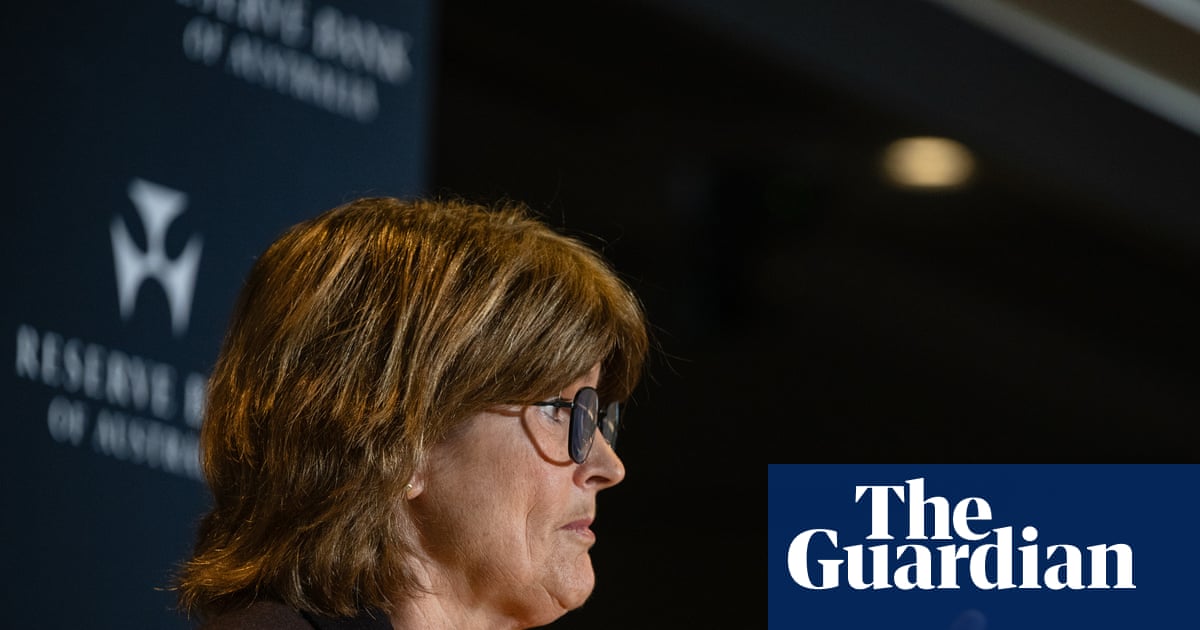
Reserve Bank governor Michele Bullock (pictured) warned a recession may be the price of crushing inflation, as borrowers were slugged with a fourth rate rise this year
Panos said the pain felt by millions of Australians was not the interest rate itself, but the share of household income being swallowed by mortgage repayments.
uncertain
pain → face → repayments
He said homes in the early 1990s were far cheaper relative to incomes, meaning households carried significantly less debt despite much higher interest rates.
asserted
households → say → rates
A buyer with a 20 per cent deposit would have needed a mortgage of about $150,000.
asserted
buyer → need → 150,000
At a mortgage rate of about 6.4 per cent, the interest bill alone would be around $87,000 a year - showing how today’s much bigger mortgages can hurt even when rates are far lower.
asserted
rates → show → cent
The average family home was not carrying a mortgage that is eight or nine times their household income,' he said.
asserted
he → carry → mortgage
Australians are drowning in debt, with households owing the equivalent of 178 per cent of their annual disposable income in June 2026, among the highest levels since records began in 1977.
asserted
records → drown → 1977
Panos said today's borrowers were also being squeezed by rising prices for almost everything, from petrol, groceries and electricity to school fees.
asserted
borrowers → say → fees
'There's no breathing room and unlike the late 80s and 90s, which was a sharp, brutal period, households today have been carrying this pressure for a few years,' he said.
'
asserted
he → be → years
The RBA says it's fighting inflation, fair enough, inflation hurts everyone.
asserted
inflation → say → everyone
But the bill is landing on mortgage holders, small business owners and young people.
asserted
bill → land → holders
'The people with cash get higher interest, the people with debt, they're getting smashed.'
asserted
they → get → debt
Australians are drowning in debt, with households owing the equivalent of 178 per cent of their annual disposable income in June 2026, among the highest levels since records began in 1977
'
asserted
records → drown → 1977
This is not a competition about who had it tougher, it's about recognising the reality of today.
asserted
it → recognise → today
Panos' comments came as Reserve Bank governor Michele Bullock signalled rates may need to remain higher for longer as the central bank continues its fight against inflation.
uncertain
bank → come → inflation
Bullock warned on Tuesday that a recession may be the price of crushing inflation, as borrowers were slugged with a fourth rate rise this year that lifted the cash rate to a 15-year high.
uncertain
that → warn → high
The last time Australia was in a deep recession was in 1991, famously termed 'the recession we had to have' by then-treasurer Paul Keating.
asserted
we → term → Keating
Financial markets are increasingly betting on another hike by Christmas, which would take the cash rate to an 18-year high of 4.85 per cent and send variable mortgage rates above 7 per cent for the first time since the global financial crisis in 2008.
asserted
which → bet → 2008
'Every household has seen how the price of everything has gone up in recent years,' Bullock said after the unanimous decision was announced on Tuesday afternoon.
'
asserted
decision → see → afternoon
Pay packets don't go as far as they used to, and that's why we need to stop this high inflation.
asserted
we → go → inflation
The board will raise interest rates again if that's what's needed to bring inflation down.'
asserted
what → raise → inflation
Treasurer Jim Chalmers (pictured) handballed some of the blame for the latest rate hike on US President Donald Trump for the war in the Middle East
Bullock acknowledged many mortgage holders failed to grasp why raising interest rates was necessary.
asserted
raising → picture → rates
'If we don't address this, inflation will get worse and interest rates will have to be higher and the economy in a worse position,' she said.
asserted
she → address → position
'Ultimately, in the long run, hopefully in those couple of years when we get inflation back down, this will all have been worth it.'
asserted
this → get → inflation
Meanwhile, Treasurer Jim Chalmers handballed some of the blame for the latest rate hike to US President Donald Trump.
asserted
Chalmers → handballe → Trump
'The war in the Middle East is pushing up inflation and interest rates all around the world but that doesn't make it any easier for Australians,' he said.
'
asserted
he → push → Australians
Australian workers didn't choose this war, but they are paying a hefty price for it.'
asserted
they → choose → it
AMP chief economist Shane Oliver said the latest hike means roughly an extra $110 a month in mortgage interest payments for those with an average $700,000 mortgage, and a total increase of $440 a month since January, or $5,300 a year.
asserted
hike → say → January
'Fortunately, increased competition and discounting means actual mortgage rates are yet to surpass their 2023 high, but they are getting close,' he said.
asserted
he → mean → high
Australians are paying a hefty price for US President Donald Trump's (pictured) war in Iran according to Jim Chalmers
'
uncertain
Australians → pay → Chalmers
Inflation has been above target for five of the last six years including this year so the RBA had to hike to preserve its credibility.
asserted
RBA → include → credibility
'Of course, the RBA would never put it quite like that.'
asserted
RBA → put → that
Oliver said Bullock had reiterated that excess demand in the economy has to slow to get inflation down sustainably.
asserted
demand → say → inflation
'Put simply, higher than expected inflation for July and ongoing capacity constraints in the economy along with a renewed surge in global energy prices and the data centre boom adding to demand suggested it will take even longer to get inflation back to target than the end of next year,' he said.
uncertain
he → Put → year
…and 2 more, not listed.
 The Aporia