Claims extracted
19
sentences that state something as happening or true
Uncertain
11%
2 of 19 hedged
("reportedly", "may", "according to")
Leaning
withheld
no quote in the article backed the model's score
Publisher signals
67/100
Washington Examiner's corrections and
hedging, across everything collected from it. Not a measure of accuracy.
Outlets on this story
30
Crime & Law
Same framing elsewhere
1
articles that frame the event the way this one does
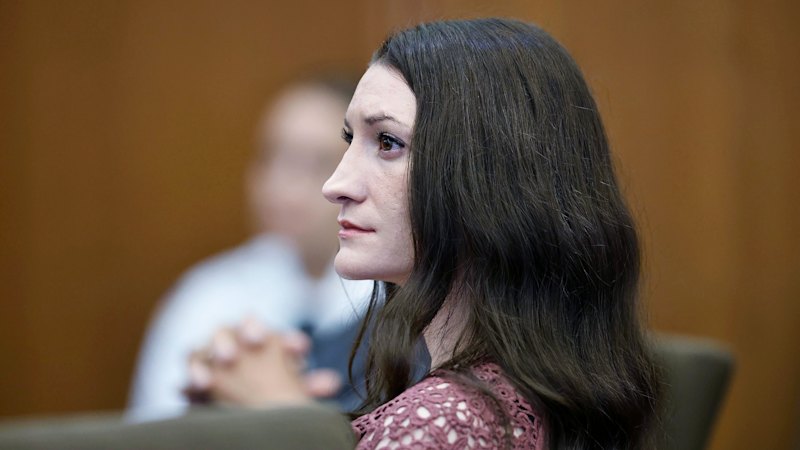
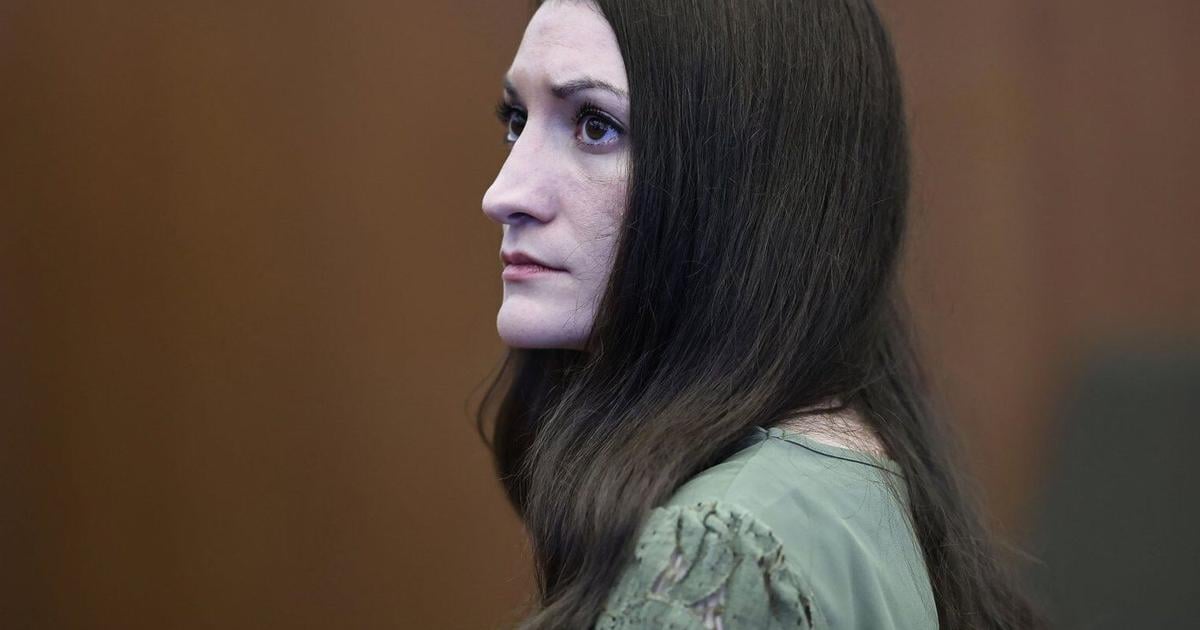
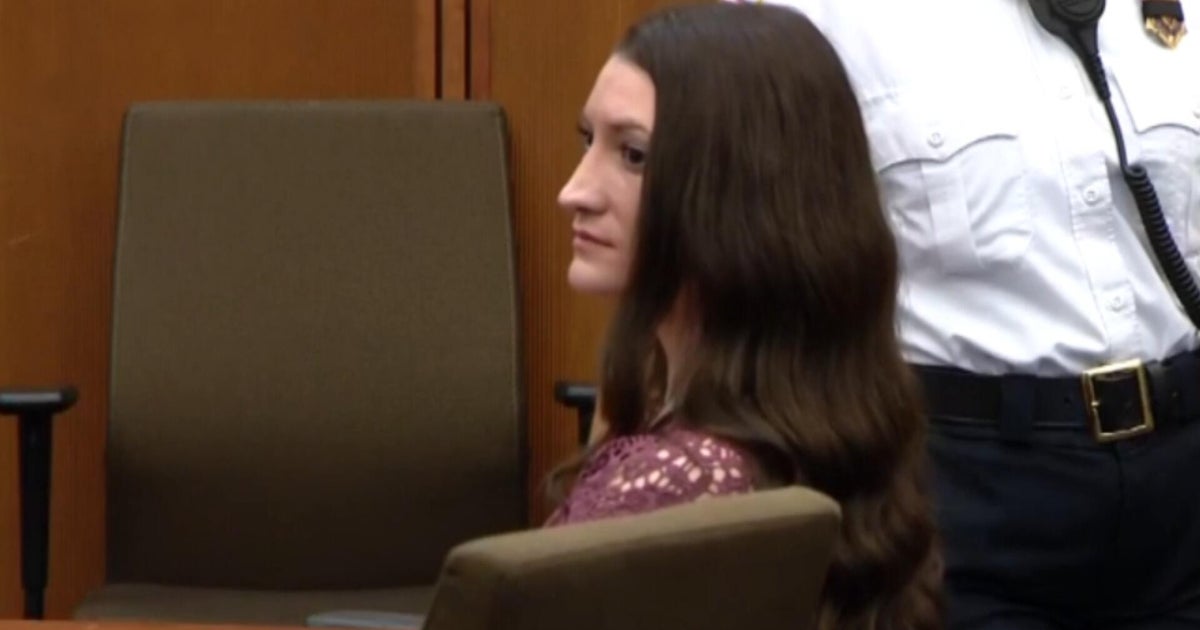
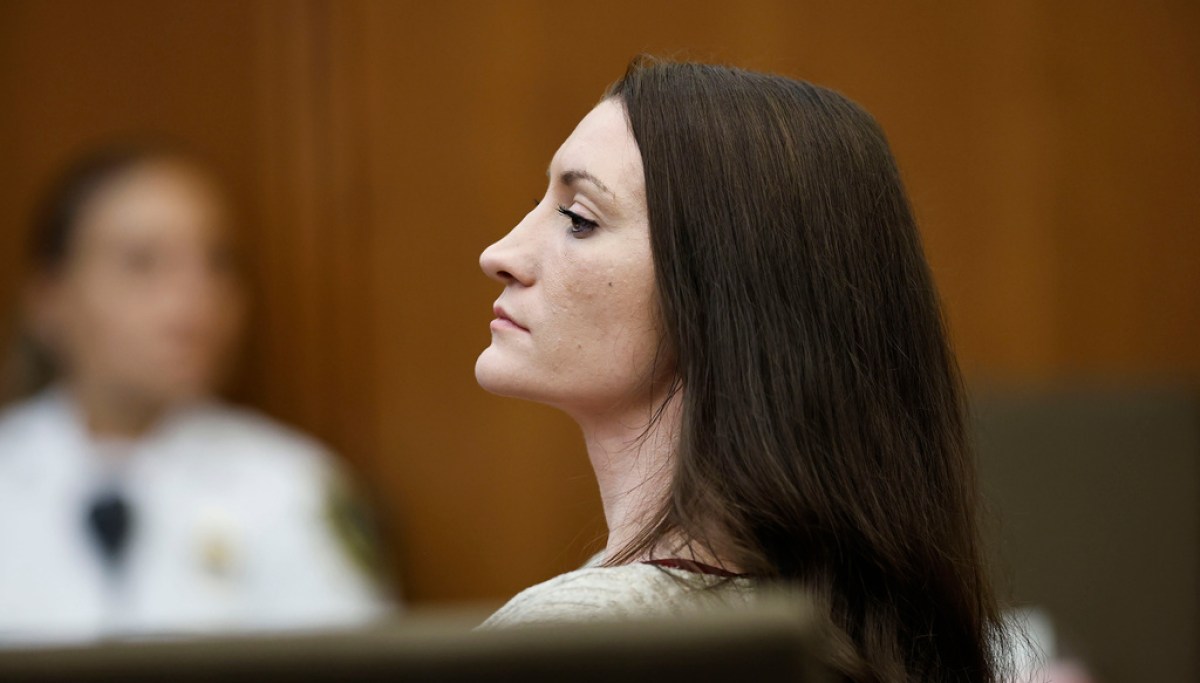
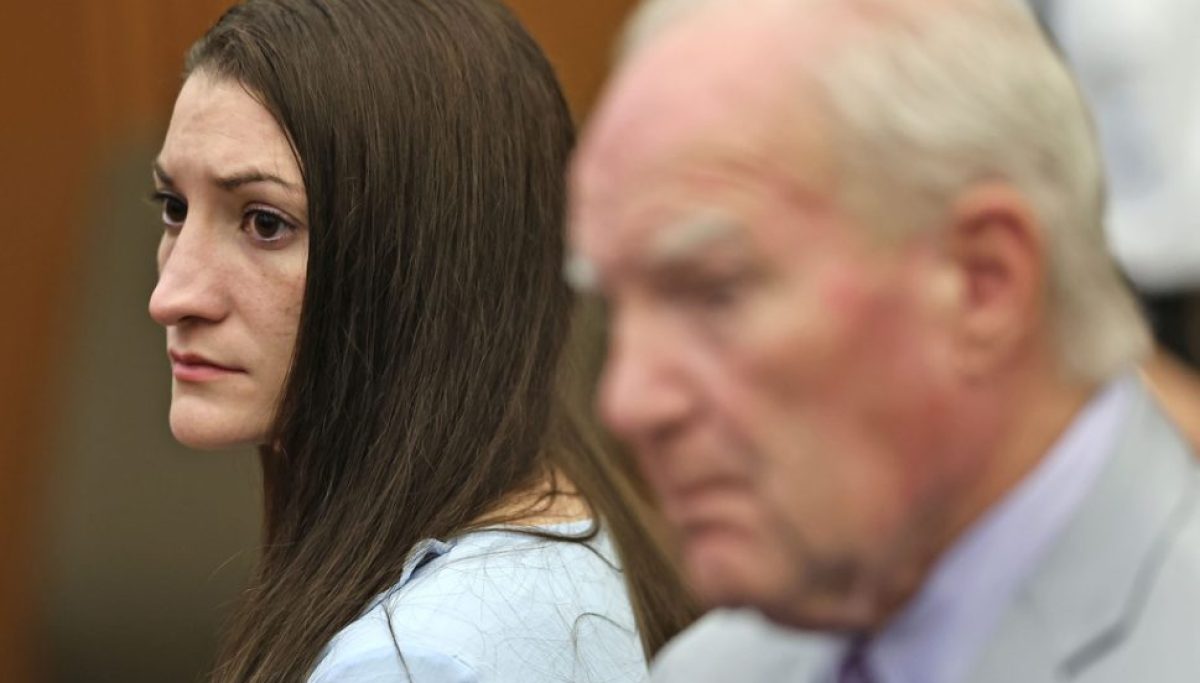
Lindsay Clancy’s defense attorney is shifting his argument about whether she killed her three children, telling a judge Tuesday that prosecutors have not presented enough evidence to prove that she was responsible for their deaths.
asserted
she → shift → deaths
The argument marked a notable change from Clancy’s first trial, in which her defense did not dispute that she killed her children but argued she was not criminally responsible because she was suffering from postpartum psychosis.
asserted
she → mark → psychosis
During Tuesday’s status conference, Clancy’s attorney, Kevin Reddington, told Judge William Sullivan that “this entire case is based on speculation.”
asserted
case → tell → speculation
It was the first hearing since Sullivan declared a mistrial Sept. 4 after a jury deadlocked over whether Clancy was guilty of killing her children.
asserted
Clancy → declare → children
“There is not enough evidence that this woman killed those children,” Reddington said.
asserted
Reddington → be → children
Reddington pointed to the condition in which Clancy was found after the deaths, including her severe injuries and bleeding in the yard outside her home in Massachusetts, as well as her lack of memory of the events when she awoke in a hospital.
asserted
she → point → hospital
Where does she say that she did this?” Reddington asked.
asserted
Reddington → say → this
He also reiterated his argument that Clancy was experiencing psychosis and delusions at the time of the deaths.
asserted
Clancy → reiterate → deaths
Prosecutor Shanan Buckingham called the defense argument “laughable,” arguing in court papers filed Monday that the evidence they contend supports a conviction.
asserted
they → call → conviction
Prosecutors alleged Clancy, 36, deliberately strangled her children — 5-year-old Cora, 3-year-old Dawson, and 8-month-old Callan — with exercise bands on Jan. 24, 2023, before using multiple methods in an attempt to die by suicide.
asserted
Clancy → allege → suicide
They argued during the first trial that Clancy deliberately sent her husband out of the house to pick up medicine for one of the children and dinner for the family before killing the children.
asserted
Clancy → argue → children
Her husband and first responders testified that she attempted to die by suicide immediately afterward.
asserted
she → testify → suicide
The injuries left her paralyzed from the waist down after jumping from a second-story window.
asserted
injuries → leave → window
The defense, meanwhile, argued that Clancy’s postpartum psychosis left her unable to understand the nature and consequences of her actions.
asserted
psychosis → argue → actions
Prosecutors must now decide whether to retry Clancy on first-degree murder charges, pursue lesser charges such as second-degree murder or manslaughter, or abandon the case.
asserted
Prosecutors → decide → case
After the mistrial, Plymouth County District Attorney Timothy Cruz said his goal remained “getting justice for those three little babies.”
asserted
goal → say → babies
The case has drawn widespread attention, in part because of its focus on postpartum psychosis, a rare psychiatric condition.
Clancy remains charged with murder and is expected to remain at a psychiatric hospital until the case is resolved.
asserted
case → draw → hospital
If convicted of murder, Clancy could face life in prison.
uncertain
Clancy → convict → prison
But if acquitted due to her claims of psychosis, a judge could still order her to be committed to a mental health facility.
uncertain
judge → acquit → facility
 The Aporia