The children sitting cross-legged on the floor are a mix of ages but are all enrolled in one class out of necessity.
asserted
children → sit → necessity
Coming from Rohingya families, they are not allowed to access formal education and must rely upon the generosity of donors to support informal learning centres, such as the one they attend in a quiet neighbourhood in Kuala Lumpur.
asserted
they → come → Lumpur
“Because of their help, we can teach our kids here,” explained Riyadh Al Haq, a Rohingya human rights activist whose NGO runs the centre.
Recommended Stories
list of 4 items- list 1 of 4Human rights situation in Myanmar ‘plummets to new low’, UN says
- list 2 of 4Malaysia offers to invite Myanmar leader in Rohingya repatriation push
- list 3 of 4Myanmar military launches air strike on Rakhine market, killing at least 33
- list 4 of 4Malaysia begins sending back Rohingya refugees despite safety warnings
On one recent morning, they were busy learning the Quran, but lessons also cover a standard range of academic subjects.
They and their families are also not eligible to access the healthcare system, and their parents are not allowed to work and must rely on informal employment, such as at car washes, in restaurant kitchens and at courier services.
asserted
parents → teach → services
Still, life for the estimated 125,000 Rohingya who now call Malaysia home is better than the lives they left behind in Myanmar.
asserted
they → estimate → Myanmar
“Because of their [Malaysian people’s] kindness, our people can stay in this country.
asserted
people → stay → country
They can live here.
asserted
They → live → ?
We are more safe than in Myanmar,” Riyadh told Al Jazeera.
asserted
Riyadh → tell → Jazeera
Repatriation criticised
asserted
Repatriation → criticise → ?
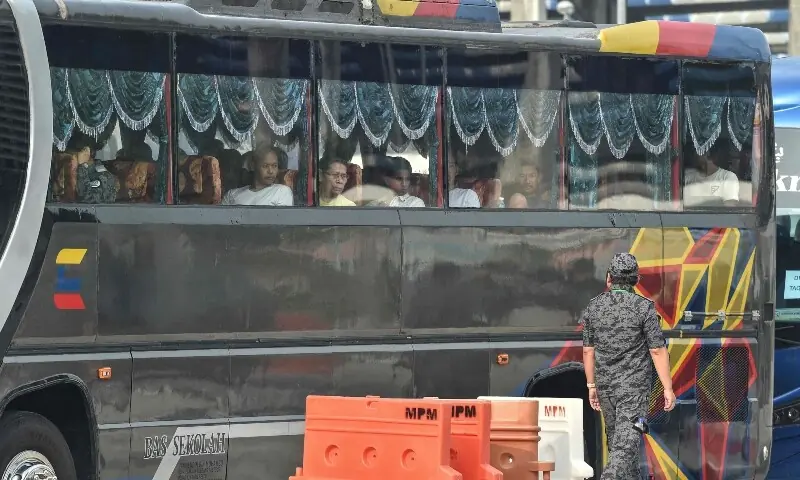
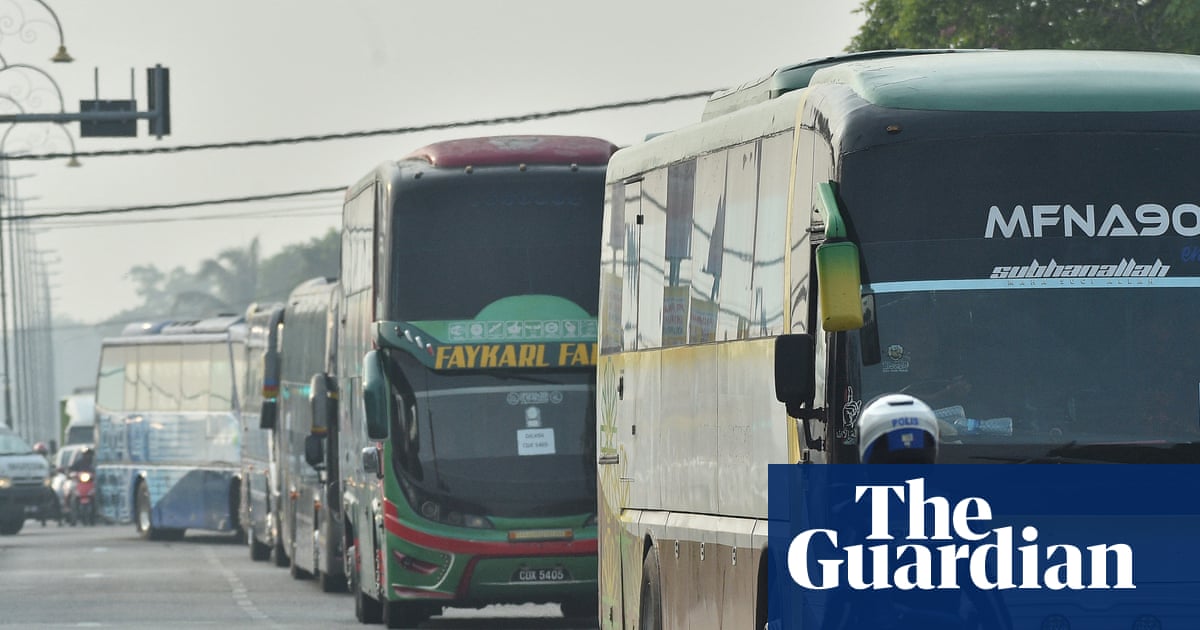
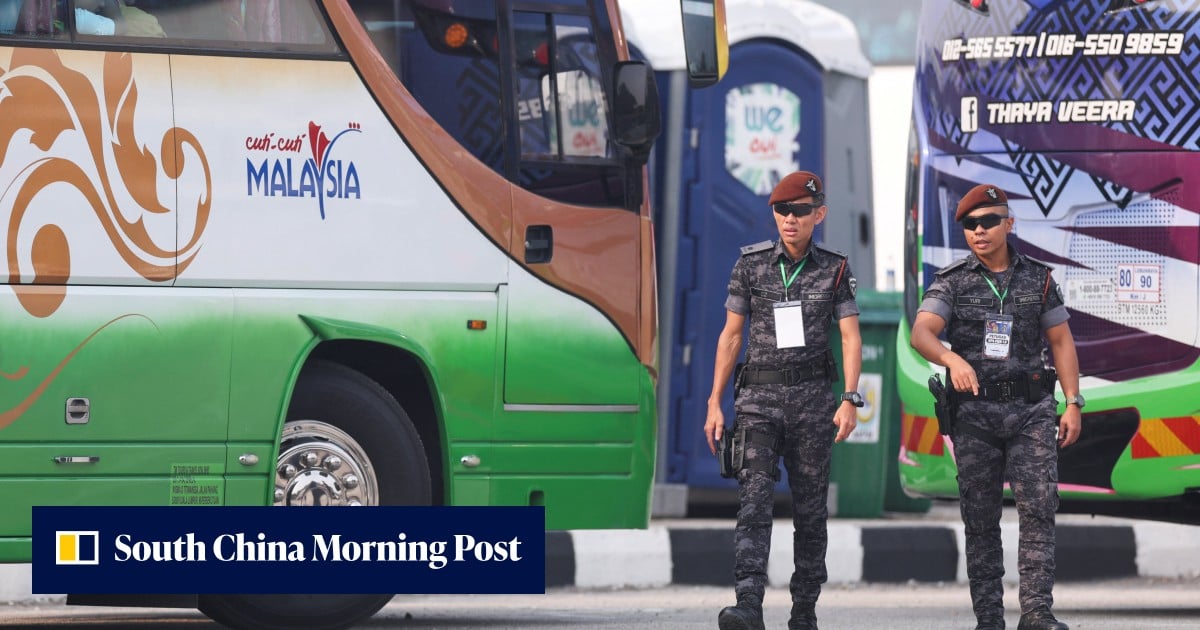
However, on Tuesday, the Malaysian government began the repatriation of an initial group of nearly 1,500 Rohingya to Myanmar.
asserted
government → begin → Myanmar
The operation has drawn renewed attention to the plight of the Rohingya people, regarded as one of the world’s most persecuted minorities.
asserted
operation → draw → minorities
The Muslim ethnic group is essentially stateless because they are not recognised as citizens by Myanmar.
asserted
they → recognise → Myanmar
The repatriation has been criticised by the United Nations and international rights groups given the longstanding persecution of the Rohingya in their home state of Rakhine in western Myanmar.
asserted
repatriation → criticise → Myanmar
In 2017, the Myanmar military launched a brutal crackdown, forcing more than 700,000 Rohingya to flee, mostly to neighbouring Bangladesh.
asserted
military → launch → Bangladesh
The military campaign, which involved widespread destruction of Rohingya properties and the killing of thousands of people, is widely condemned as tantamount to a genocide.
asserted
which → involve → genocide
A case of genocide brought by The Gambia is under way at the International Court of Justice at The Hague.
asserted
case → bring → Hague
The verdict is expected next month or in November.
asserted
verdict → expect → November
The Malaysian government insisted that all those returning are volunteers and their safety and wellbeing are guaranteed.
asserted
safety → insist → ?
Critics of Kuala Lumpur’s policy said an ongoing civil war in Myanmar makes such guarantees meaningless.
asserted
guarantees → say → Myanmar
Myanmar descended into civil war after the military conducted a coup in 2021 and removed the democratically elected government of Nobel Peace Prize laureate Aung San Suu Kyi.
asserted
military → descend → Kyi
Malaysia’s government, led by Prime Minister Anwar Ibrahim, has pledged to return 5,000 Myanmar nationals in what many see as a reversal of the country’s longstanding policy of leniency towards the presence of the Rohingya.
asserted
many → lead → Rohingya
‘Widespread sympathy for their plight’
Not being a signatory to the 1951 United Nations Refugee Convention, Malaysia doesn’t grant the Rohingya refugee status but has taken a tolerant attitude towards their arrival.
asserted
Malaysia → grant → arrival
Malaysians have a religious and cultural affinity with the Rohingya, and there is widespread sympathy for their plight.
asserted
Malaysians → have → plight
Many have extended an unofficial welcome to many migrants often making the perilous ocean journey on overcrowded boats.
asserted
Many → extend → boats
But that attitude has started to change in recent years due to economic pressures and viral social media misinformation campaigns.
asserted
attitude → start → pressures
Coordinated online petitions calling for the expulsion of refugees and other marginalised groups have garnered hundreds of thousands of signatures.
asserted
petitions → call → signatures
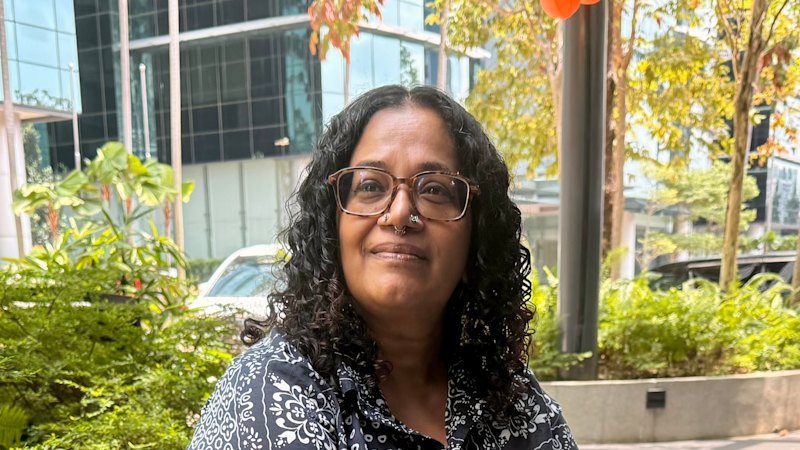
Nur Sadek, executive director of Rohingya Rights Response, has been monitoring social media content that spreads hateful and hurtful messaging about the Rohingya.
asserted
that → monitor → Rohingya
One content creator who has thousands of followers has posted a series of clips in which he mocks Rohingya openly to their faces while complaining to the camera about how they allegedly smell.
uncertain
they → have → camera
In another clip produced by self-styled vigilantes, three men are seen stopping and questioning a Rohingya passer-by in the street.
asserted
men → produce → street
“A lot of the community members are very afraid to go outside and to be recognised as a Rohingya,” Sadek said.
asserted
Sadek → go → Rohingya
“They are very afraid of being harassed by the local people and by some of the content creators.”
asserted
They → harass → creators
That fear also extends to employment, however menial the jobs might be, with some Malaysian businesses reportedly turning Rohingya away.
uncertain
businesses → extend → Rohingya
“Most of the Rohingya people have relied upon informal work, and even that informal work is inaccessible right now with the increase in hate and misinformation.
asserted
work → rely → hate
And it is affecting the livelihoods of every Rohingya,” Sadek told Al Jazeera.
asserted
Sadek → affect → Jazeera
As Malaysia looks ahead to national elections early next year, political parties might find the Rohingya issue is too big a vote-winning opportunity to pass up.
uncertain
issue → look → elections
And the Rohingya, as they so often have, could find themselves the losers.
uncertain
themselves → find → ?
 The Aporia