That is 0 articles you have read today.
The Aporia is free and carries no advertising, so readers are the only
thing paying for it. If you are getting this much out of it, a small
donation is what keeps it independent.
Daily limit reached
You have read 0 articles today.
That is more than the 15 a day The Aporia gives away,
and well past what it can carry on nothing. Your allowance resets at
midnight.
There is no advertising here and nothing about you is sold, so readers
are the only thing paying for it. If the site is worth this much of
your day, it is worth a few dollars.
Everything else stays open: the
maps, the
directory and
search do
not count against this, and neither does re-opening something you have
already read today.
Yemen’s Minister of Public Health and Population Qasim Buhaibeh warns that some areas could lose all health services due to ongoing funding shortages. He notes that 19.3 million people need health assistance, but only 17 percent of the necessary funds have been secured, leading to a potential drop in operational health facilities below 50 percent capacity. The minister highlights severe challenges including displacement, malnutrition, and outbreaks of cholera, measles, and polio, with over 27,000 confirmed measles cases recorded in 2025 and half of Yemen’s children under five suffering from chronic malnutrition.
Written locally by qwen2.5:14b on 2026-09-27,
using this article's own text rather than the other coverage of the
same event (that is the story summary below).
Story summary
Yemen’s Minister of Public Health and Population Qasim Buhaibeh warned Al Jazeera that some areas in Yemen could lose all health services due to a lack of funding. He noted that reporting of health data from Houthi-controlled areas has been suspended for nearly a year, making it impossible to get an accurate nationwide picture of the epidemiological situation. The ongoing war has led to increased displacement and a shortage of resources, forcing the closure of health facilities and causing severe shortages in medicines, supplies, and fuel. Buhaibeh highlighted that emergency services, maternal care, child healthcare, vaccination programs, and dialysis and cancer treatments are particularly at risk. Health data from June 2026 shows that 19.3 million people in Yemen require health assistance, but funding for the response has only reached 17 percent of what is needed, raising serious concerns about a potential collapse of the healthcare system in some regions.
Written for “Yemen Health Crisis” on 2026-10-05,
grounded in this article and the 0 other(s) covering the same event.
Some areas in Yemen could suffer from a complete loss of health services if a decline in funding continues, Yemen’s Minister of Public Health and Population Qasim Buhaibeh has told Al Jazeera.
uncertain
Minister → suffer → Jazeera
He said that the health sector may not be able to absorb additional waves of displacement from the ongoing war while a lack of resources has forced the closure of health facilities and caused shortages of medicines, supplies and fuel.
uncertain
lack → say → medicines
Recommended Stories
list of 3 items- list 1 of 3Yemen’s government offers amnesty to Houthi defectors
- list 2 of 3Djibouti urges world to help as Yemen war drives refugee influx
- list 3 of 3Yemen government forces widen attacks against Houthis:
asserted
forces → offer → Houthis
we know
asserted
we → know → ?
Buhaibeh added that emergency services, maternal and child healthcare, vaccination and nutrition services, as well as dialysis and cancer treatment, are all particularly threatened by the decline in funding.
asserted
services → add → funding
He noted that health data updated through June 2026 indicates that 19.3 million people in Yemen require health assistance, while funding for the response has reached only 17 percent of the required amount.
asserted
funding → note → amount
Buhaibeh said that the proportion of health facilities operating at full capacity has likely dropped to less than 50 percent.
asserted
proportion → say → percent
The World Health Organization had cited 60 percent.
asserted
Organization → cite → percent
The minister cited figures indicating that 134,550 people have been displaced by the war between June and September 22, with most of them being in Taiz, Lahij and Aden.
asserted
most → cite → Taiz
He said the influx of displaced people has placed additional pressure on health facilities that were already struggling with limited resources.
asserted
that → say → resources
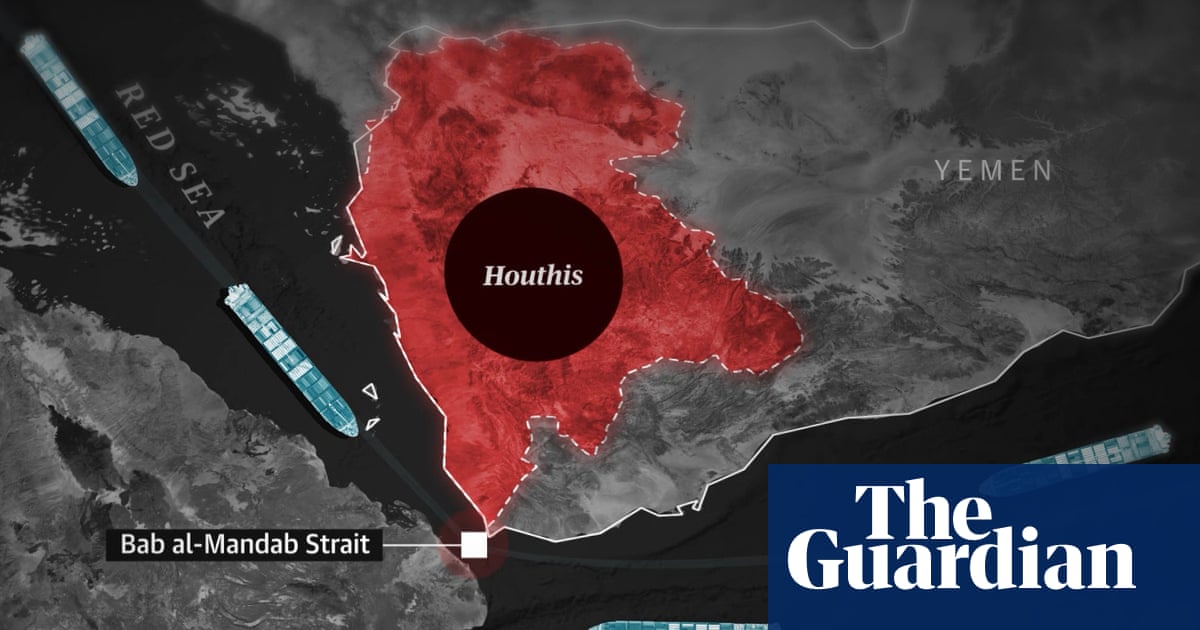
Buhaibeh said the reporting of health data from Houthi-controlled areas has been suspended for nearly a year, preventing authorities from forming a complete nationwide picture of the epidemiological situation.
Additionally, Buhaibeh warned that displacement, malnutrition and low vaccination coverage are coinciding with outbreaks of cholera, measles and polio.
asserted
displacement → say → cholera
He noted that more than 27,000 confirmed measles cases were recorded in 2025 and that around half of Yemen’s children under the age of five suffer from chronic malnutrition.
asserted
half → note → malnutrition
The International Organization for Migration (IOM) has found that nearly 130,000 people, or 30,000 households, have been displaced across seven governorates in Yemen since fighting escalated between the Iran-backed Houthis and the internationally recognised Yemeni government coalition forces in early September.
asserted
fighting → find → September
 The Aporia