Toronto Star
· collected 2026-09-25 · by Fatma Khaled, Ahmed Al-haj And Cara Anna The Associated Press
In Yemen, a resurgence of civil war has led to severe strain on the country’s already fragile healthcare system. Children like seven-year-old Tarek, suffering from malnutrition and diarrhea, are facing life-threatening delays in treatment as hospitals and health centers become overwhelmed with wounded patients and shortages of medical supplies. The conflict, backed by regional powers Saudi Arabia and Iran, has displaced over 130,000 people, exacerbating existing issues such as high maternal mortality rates—three women dying every day—and a critical shortage of trauma care facilities, with less than 10% fully equipped to handle emergencies.
Written locally by qwen2.5:14b on 2026-09-25,
using this article's own text rather than the other coverage of the
same event (that is the story summary below).
Story summary
In Yemen, the ongoing civil war has intensified, causing severe strain on hospitals across the country. Recently, Iran-backed Houthi rebels advanced into areas previously held by government forces, leading to a new wave of displaced people seeking medical care. In the city of Aden alone, hospitals are overwhelmed with wounded patients and lack essential resources like beds, medication, and trained staff.
For instance, Tarek al-Salami, aged 7, was severely malnourished and suffering from diarrhea but could not receive immediate treatment after his father carried him over 270 kilometers to Aden. Delays in care resulted in the boy arriving at a hospital’s therapeutic feeding center in an "acute crisis." The situation is exacerbated by shortages of medical supplies such as anesthesia drugs, oxygen, and sterile surgical gloves.
Dr. Ahmed Modhesh from Marib reported that his facility cannot handle critical cases due to power outages and insufficient specialists. This crisis highlights the dire humanitarian consequences of prolonged conflict on one of the poorest nations in the Arab world, where an already fragile health system is collapsing under the new wave of violence.
Written for “Yemen Civil War” on 2026-10-05,
grounded in this article and the 1 other(s) covering the same event.
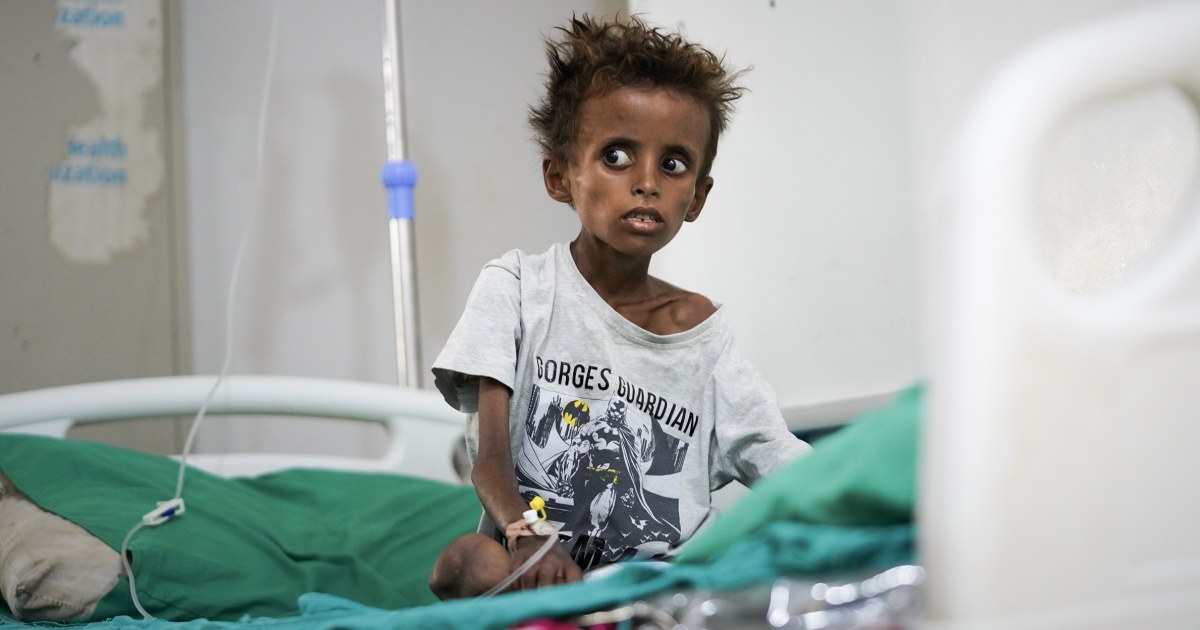
ADEN, Yemen (AP) — Tarek al-Salami, aged 7, sat in a diaper, looking frail.
asserted
Salami → sit → diaper
Normally, the malnutrition and diarrhea that weakened his tiny frame would have been treated within a few days, but nothing is normal in Yemen anymore.
asserted
nothing → weaken → Yemen
Tarek’s father carried him on foot from the southwestern city of Mokha as Iran-backed rebels swept in this month, bringing a return to civil war.
asserted
rebels → carry → war
The boy reached a hospital two days later in the government-held city of Aden, 270 kilometers (170 miles) away but it said it had no beds.
asserted
it → reach → beds
Like others, it was overwhelmed by the wounded.
asserted
it → overwhelm → wounded
They finally found a therapeutic feeding center.
asserted
They → find → center
The boy arrived in “acute crisis” after the delay in care, according to the center’s director, Dr. Arwa Atef, and he only began walking again on Wednesday, over a week later.
uncertain
he → arrive → Wednesday
“I swear to God, when I look at him, my heart breaks,” said his father, Mohammed al-Salami.
asserted
father → swear → him
“He looks almost lifeless.”
asserted
He → look → ?
This is how the already fragile health system in the Arab world’s poorest nation is collapsing, caught in a new front of the Iran war.
asserted
system → collapse → war
The Associated Press spoke with patients, medical workers and aid groups in Yemen and outside as medicines run short and some workers flee.
asserted
workers → speak → Yemen
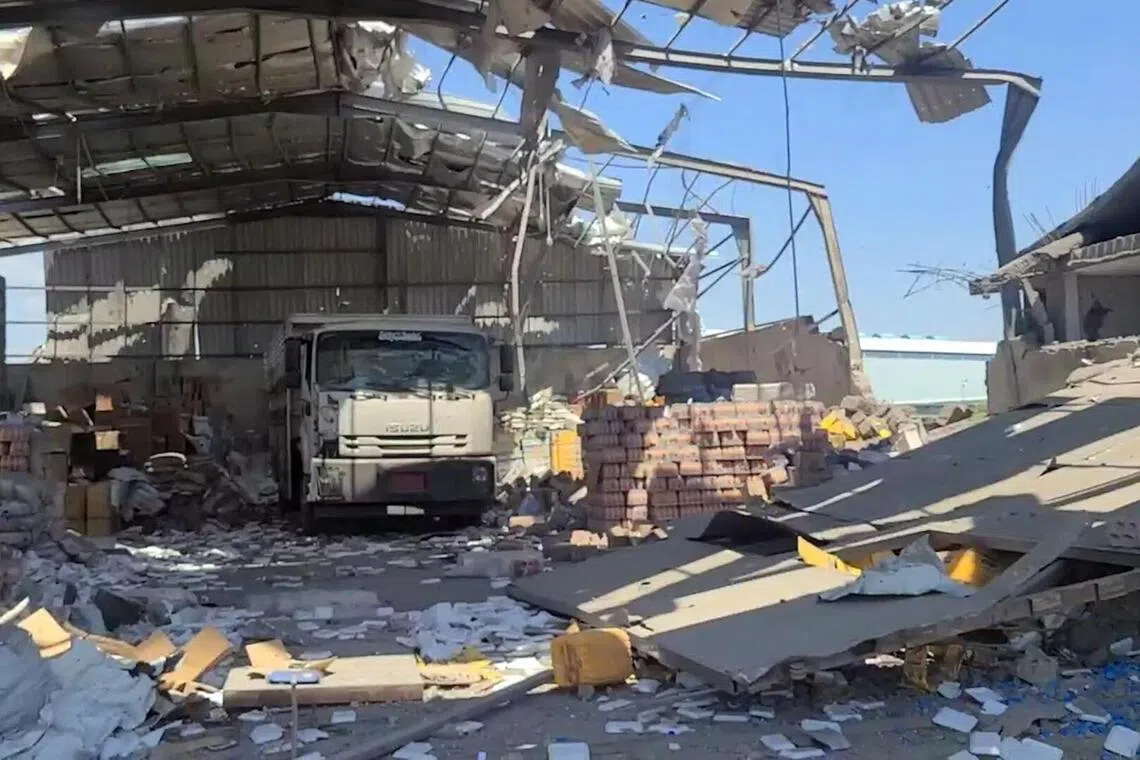
A few facilities have been overtaken by the fighting.
asserted
facilities → overtake → fighting
Some health centers are turning pregnant women and others in need away to focus on trauma patients.
asserted
centers → turn → patients
Vulnerable children are filling incubators and sharing beds.
asserted
children → fill → beds
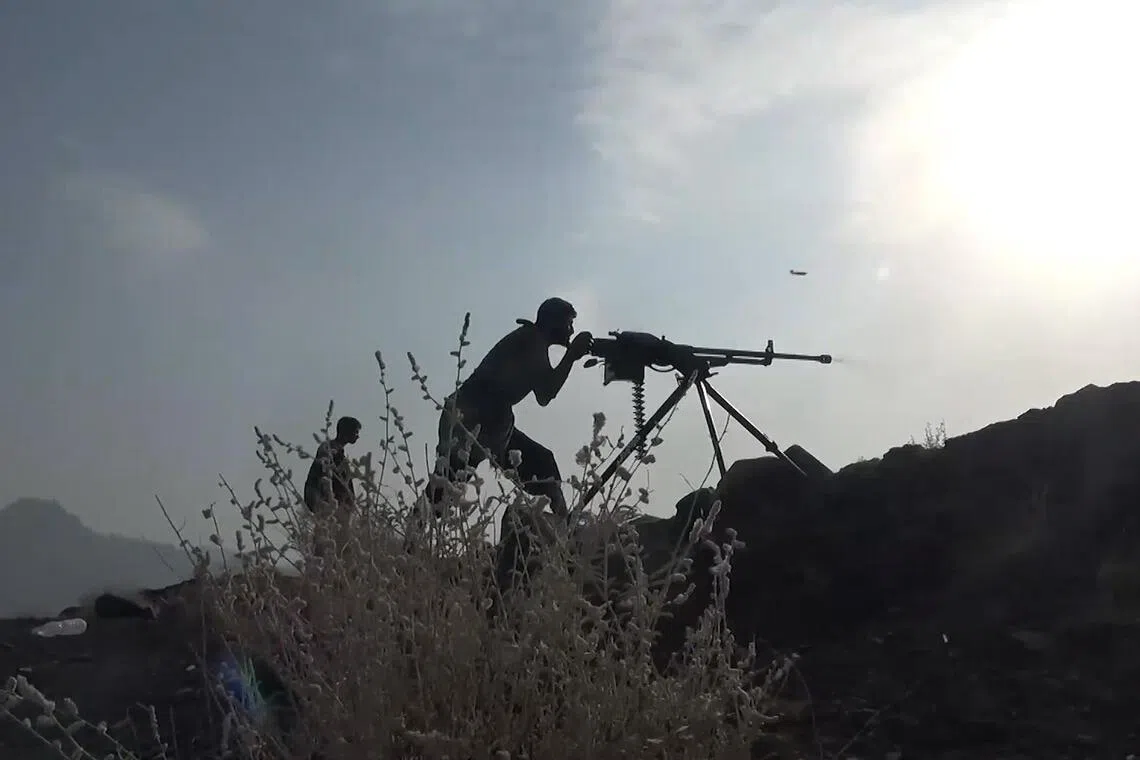
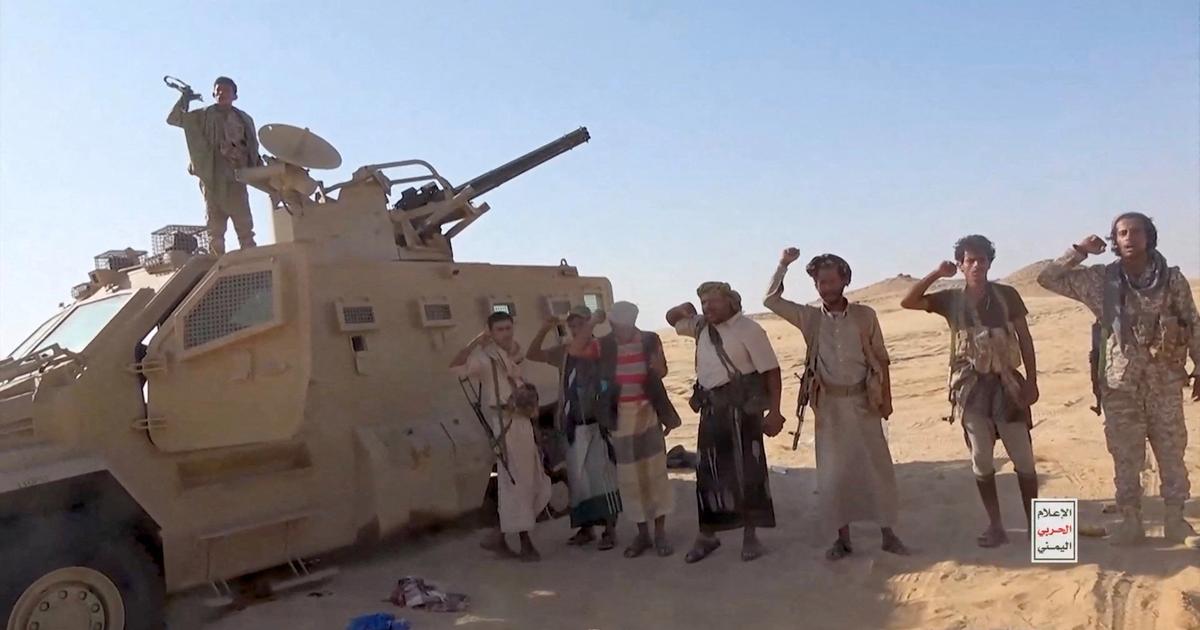
Millions of people are affected by the fighting backed by two of the Middle East’s biggest powers as Iran-backed Houthis advance against government forces supported by Saudi Arabia.
asserted
Houthis → affect → Arabia
Over 130,000 have fled their homes.
asserted
130,000 → flee → homes
The feeding center where Tarek and other children are recovering is struggling to cope with a rise in patients in a country where many already were hungry, Atef said.
“We can’t keep up with the situation,” she said.
asserted
she → recover → situation
Overwhelmed hospitals focus on the wounded
Most hospitals and primary health centers affected by the escalation in fighting closed for the first 48 hours before resuming services, the United Nations said.
asserted
Nations → focus → services
But some are now harder to reach.
asserted
some → reach → ?
The Houthis have seized the Red Sea coast, including key ports for aid.
asserted
Houthis → seize → aid
Less than 10% of the affected health centers are fully equipped with the trauma services that wounded people need, the World Health Organization has said.
asserted
Organization → affect → that
Fewer facilities are handling the pregnancy-related emergencies that were killing three Yemeni women every day even before the escalation, said Francesco Galtieri with the United Nations Population Fund.
asserted
Galtieri → handle → Fund
That’s one of the highest rates in the Arab world.
asserted
That → ’ → world
“Around 2,000 pregnant women are on the move,” with over 200 expected to deliver in the next week or so, he said.
asserted
he → expect → week
Maternity wards have been converted into emergency rooms in some hospitals close to the fighting, said Hashem Osseiran, an International Committee of the Red Cross spokesperson, adding that many lack enough anesthesia drugs, oxygen supplies and sterile surgical gloves.
asserted
many → convert → drugs
At a hospital treating mothers and children in the government-held city of Marib, Dr. Ahmed Modhesh said they are seeing more emergency maternity cases as other city hospitals focus on the wounded.
But his facility, Martyr Mohamed Hayel hospital, lacks intensive care specialists and doesn’t have enough generators to keep all departments running if the power goes out.
asserted
power → treat → departments
A midwife said the number of childbirths the hospital is handling has basically doubled to about 80.
asserted
hospital → say → 80
One woman with an ectopic pregnancy arrived bleeding heavily, yet the under-resourced staff were still able to perform an emergency procedure to save her life, the midwife said.
asserted
midwife → arrive → life
She spoke on condition of anonymity because she wasn’t authorized to speak with the media.
asserted
she → speak → media
Yemen’s healthcare was in trouble before the fighting
Even before the escalation, hospitals in Yemen relied on limited government support and citizen donations.
asserted
hospitals → rely → support
Some were not able to fully pay staff.
asserted
Some → pay → staff
Now, “we are in a very dangerous situation,” said Fahd al-Nazari, manager of the health office in Taiz province, which has received most of the newly displaced.
asserted
which → say → displaced
“Within a day or two, or a week at most, we might have to close down (some facilities).
uncertain
we → have → facilities
In fact, some hospitals are already closed.”
asserted
hospitals → close → fact
Hospitals across Taiz had received around 635 casualties, including 112 bodies, as of Thursday after the Houthis captured Mokha, al-Nazari said.
asserted
Nazari → receive → Mokha
They included civilians and combatants.
asserted
They → include → civilians
“We’re exhausted receiving wounded people under these circumstances,” al-Nazari said.
asserted
Nazari → ’re → circumstances
Medical supplies and fuel are running short after key supply routes between Mokha and Taiz were largely cut off, forcing convoys onto mountainous roads unsuitable for large trucks.
asserted
routes → run → trucks
Even before the escalation, public hospitals in the province had just one MRI machine available.
asserted
hospitals → have → machine
At the Yemeni-Swedish Maternity and Children’s Hospital in Taiz, incubators were full and two or three children were sharing beds in the emergency room
asserted
children → share → room
…and 21 more, not listed.
 The Aporia