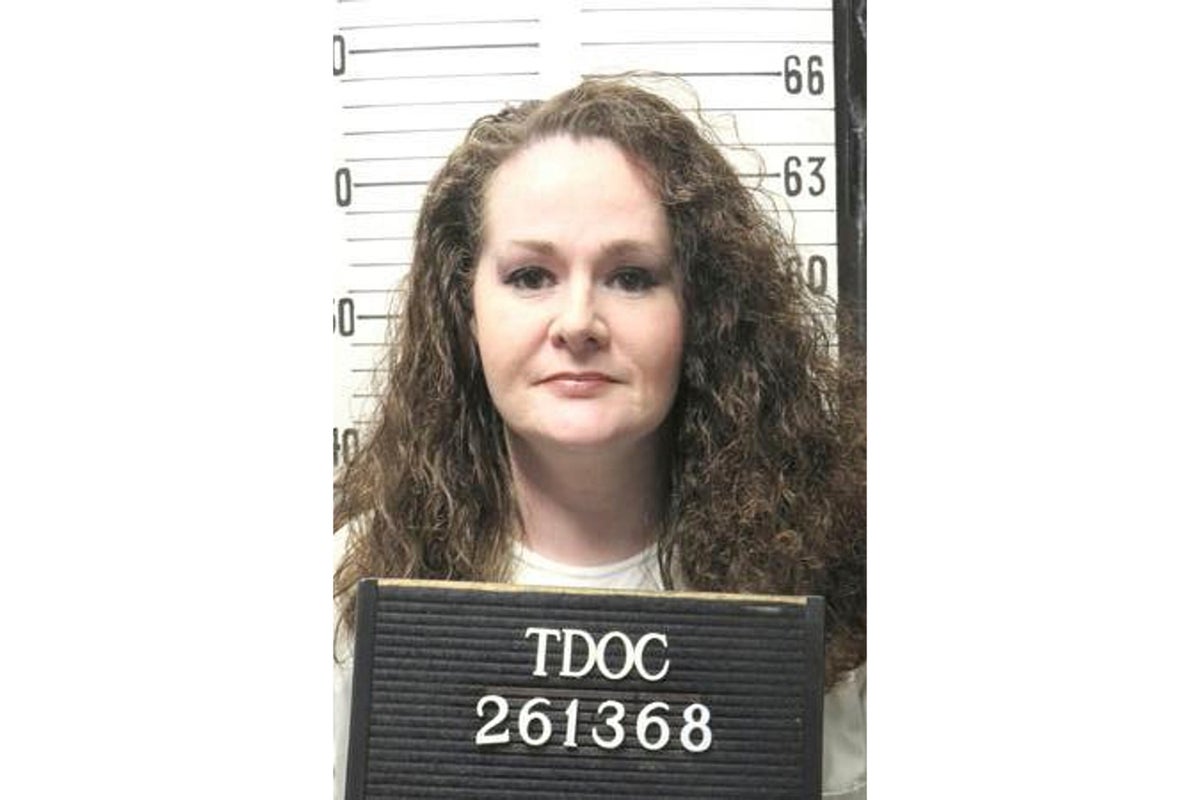
Christa Gail Pike, who became notorious as one of America’s youngest death row inmates, initially faced legal troubles stemming from minor offenses and poor behavior during her time at the Juvenile Evaluation Center in Swannanoa, North Carolina. Sentenced to die for crimes committed after she left the center, Pike's case reveals a history marked by abuse and neglect; at age 15, she was temporarily removed from her home due to sexual abuse by her mother’s partner and later wrote about a rape at age 11. Despite these traumas, Pike showed potential for rehabilitation, earning her GED and demonstrating positive behavior during her year-long stay in Swannanoa.
Written locally by qwen2.5:14b on 2026-09-27,
using this article's own text rather than the other coverage of the
same event (that is the story summary below).
Before she became infamous as one of the youngest American women ever sentenced to die, Christa Gail Pike was a North Carolina teenager who broke into a community center to steal some candy.
asserted
who → become → candy
A juvenile court judge put Pike on probation, but she ran afoul of the rules.
asserted
she → put → rules
In the fall of 1991, when she was 15, Pike was sent to the Juvenile Evaluation Center in Swannanoa.
asserted
Pike → send → Swannanoa
She arrived just before Thanksgiving.
asserted
She → arrive → Thanksgiving
Nestled in the Blue Ridge mountains, just minutes away from Asheville, the center first opened in the 1960s as a “haven for troubled children,” in the words of the press.
asserted
center → nestle → press
It was supposed to be an alternative to more severe “training schools,” but by the 1990s was skewed toward punishment.
asserted
It → suppose → punishment
According to former staff, progress was measured in points, which were added or subtracted according to a child’s behavior.
uncertain
which → accord → behavior
Infractions ranged from having “contraband” — including pencils or pens, which were allowable only in sanctioned study areas — to running away.
asserted
which → range → areas
The system didn’t work for Pike.
asserted
system → work → Pike
“She was not following the rules or she was doing something to sabotage herself,” one social worker would later testify at a hearing in Pike’s case.
asserted
worker → follow → case
Although her violations weren’t generally serious, they did keep her stuck in place.
asserted
they → keep → place
Most kids stayed at the center for a few months; Pike stayed for well over a year.
asserted
Pike → stay → year
It seemed possible that Pike might not actually want to go home.
uncertain
Pike → seem → ?
From the time she was a little girl, she’d been hurt and neglected by the adults who were supposed to protect her.
asserted
who → hurt → her
Months before arriving in Swannanoa, Pike had been temporarily removed from her home by the state’s social services agency, which found that her mother’s live-in boyfriend was physically and sexually abusing her.
asserted
boyfriend → arrive → her
Shortly afterward, Pike wrote a letter to her best friend saying she wanted to kill herself.
asserted
she → write → herself
Among a list of reasons, she wrote that she’d been raped by a different man, a neighbor who assaulted her when she was 11 years old.
asserted
she → write → her
Nevertheless, Pike stood out among her peers at the juvenile center.
asserted
Pike → stand → center
She was engaging and intelligent; she earned her GED and became a teacher’s assistant.
asserted
she → engage → GED
“Christa was open and willing to grow,” one counselor would later write in a clemency letter on Pike’s behalf.
asserted
counselor → grow → behalf
“Though she had psychological struggles and resulting behavioral difficulties, I could see that Christa was a good child who was trying to find her place in the world.
uncertain
who → have → world
I never saw Christa act aggressively or violently.
asserted
Christa → see → ?
She was trying to figure out how to heal from her traumas.”
asserted
She → try → traumas
Pike finally left Swannanoa in March 1993.
asserted
Pike → leave → March
The following year, the counselor got a letter from her in the mail.
asserted
counselor → get → mail
“She shared that she would be visiting Asheville soon and invited me to meet up with her,” the counselor recalled in the clemency letter.
asserted
counselor → share → letter
But the visit never happened.
asserted
visit → happen → ?
In January 1995, Pike was arrested alongside two other teenagers while enrolled at a Jobs Corp program in Knoxville, Tennessee.
asserted
Pike → arrest → Knoxville
At 18, she was charged with first-degree murder.
asserted
she → charge → murder
The crime seemed pulled from a horror movie — an act of savagery that would become imprinted in the public psyche.
asserted
that → pull → psyche
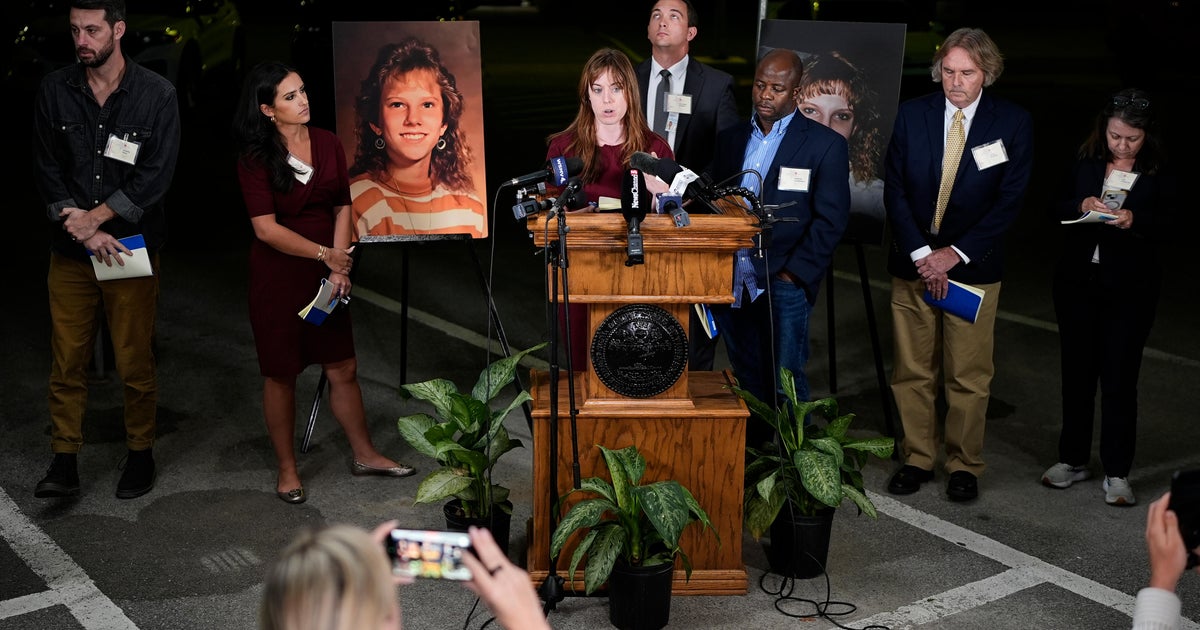
Nineteen-year-old Colleen Slemmer, one of Pike’s classmates, had been lured into a secluded corner of a city park, then beaten, bludgeoned, and slashed with a boxcutter.
asserted
Slemmer → lure → boxcutter
Her body was found naked from the waist up.
asserted
body → find → waist
On her chest, her attackers had carved a pentagram.
asserted
attackers → carve → pentagram
Pike admitted her guilt within days.
asserted
Pike → admit → days
In a tape-recorded statement to investigators, she sobbed that she had begun hitting Slemmer and just didn’t stop.
asserted
she → record → Slemmer
“I literally thought I was going crazy cause I’d never seen myself act like that before in my life,” she said.
asserted
she → think → life
Before long, witnesses came forward with disturbing new details.
asserted
witnesses → come → details
In the public’s eye, Pike transformed from an 18-year-old who committed a shocking act of violence into a woman driven by the devil himself.
asserted
who → transform → devil
Weeks after her 20th birthday, Pike was convicted and sentenced to die.
asserted
Pike → convict → birthday
Pike had been on death row for nearly 30 years when Tennessee announced her execution date: September 30, 2026.
asserted
Tennessee → announce → date
…and 148 more, not listed.
 The Aporia