That is 0 articles you have read today.
The Aporia is free and carries no advertising, so readers are the only
thing paying for it. If you are getting this much out of it, a small
donation is what keeps it independent.
Daily limit reached
You have read 0 articles today.
That is more than the 15 a day The Aporia gives away,
and well past what it can carry on nothing. Your allowance resets at
midnight.
There is no advertising here and nothing about you is sold, so readers
are the only thing paying for it. If the site is worth this much of
your day, it is worth a few dollars.
Everything else stays open: the
maps, the
directory and
search do
not count against this, and neither does re-opening something you have
already read today.
Treasurer Jim Chalmers will announce a $6 billion boost to Australia's budget on Monday, as the Reserve Bank prepares to raise interest rates to a 15-year-high of 4.6%. This comes amid internal government pressure to address inflation concerns and follows better-than-expected fiscal outcomes due to strong job markets and commodity prices. Chalmers emphasized responsible economic management in his remarks leading up to the budget update, despite opposition criticism that excessive government spending is driving inflation.
Written locally by qwen2.5:14b on 2026-09-27,
using this article's own text rather than the other coverage of the
same event (that is the story summary below).
Story summary
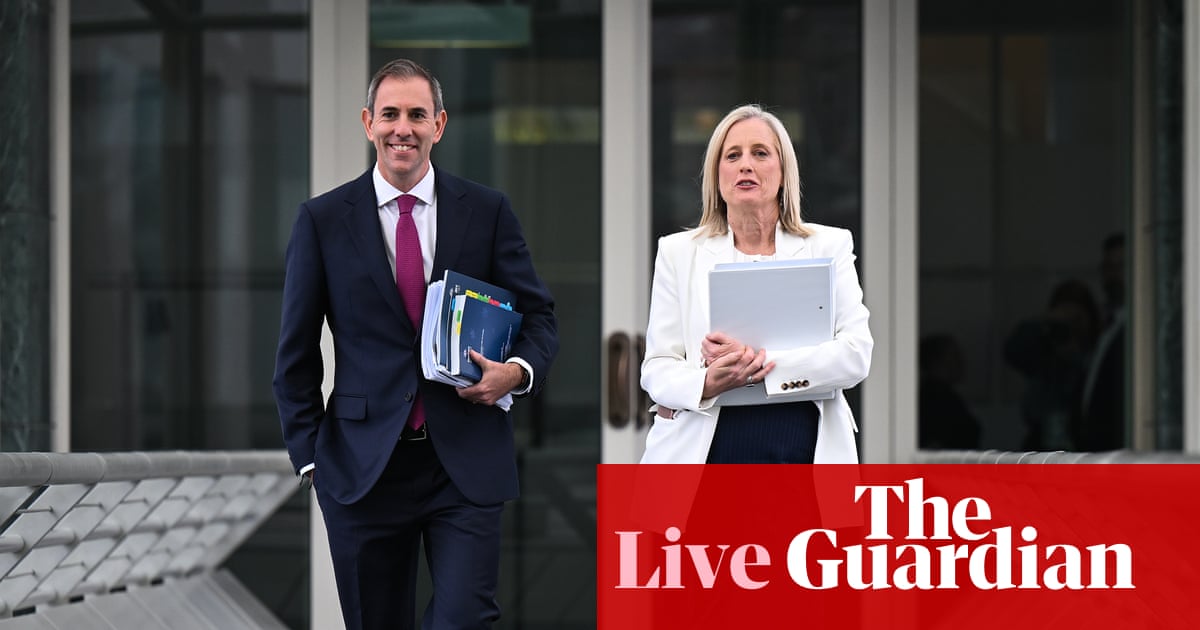
Treasurer Jim Chalmers announced a $6 billion boost to Australia's federal budget on Monday, reducing the underlying deficit from an initial forecast of $28.3 billion to about $22.3 billion. This improvement comes as the Reserve Bank is expected to raise interest rates to a 15-year-high in response to inflation pressures. Chalmers and Finance Minister Katy Gallagher presented the final budget outcome for the 2025-26 financial year, arguing that this reflects responsible economic management by the Albanese Labor government. The revised figures did not specify whether the improvement stemmed from strong job markets or high commodity prices, which are largely out of the government's control.
Written for “Australian Budget Announcement” on 2026-10-05,
grounded in this article and the 3 other(s) covering the same event.
Treasurer Jim Chalmers will reveal a $6 billion budget boost on Monday as he faces internal pressure to curb inflation ahead of the Reserve Bank’s likely decision to raise interest rates to a 15-year-high.
asserted
he → reveal → high
The final budget figures are expected to show that the underlying deficit is about $6 billion lower than the $28.3 billion initially forecast at the time of the budget in May.
uncertain
deficit → expect → May
The government did not explain how the better result had come about and whether the revenue had come from the continued strength of the jobs market or commodity prices mostly outside the government’s control.
“Responsible economic management is a defining feature of this Albanese Labor government, and you will see that in the final budget outcome,” Chalmers said ahead of the full release of figures.
asserted
Chalmers → explain → figures
Labor’s two budget surpluses last term, which have given way to forecasts of a decade of deficits, were generated by what leading budget analyst Chris Richardson has called a commodity-driven $400 billion “revenue rainbow” that represented “a level of luck never before seen in Australia”.
asserted
that → give → Australia
The headline deficit, where the government can place big-spending items, is projected to be around $60 billion this year.
asserted
government → place → items
Last week’s Intergenerational Report indicated that debt and taxes would keep rising over the next four decades if Australia’s productivity malaise continued.
asserted
malaise → indicate → decades
The Reserve Bank is widely expected to make its fourth hike of the year on Tuesday, raising the cash rate to 4.6 per cent to address sticky inflation.
asserted
Bank → expect → inflation
Markets are pricing in another hike early next year, bringing more pain to households that have experienced a series of economic setbacks since the global financial crisis.
asserted
that → price → crisis
Deputy Prime Minister Richard Marles said the US’s war with Iran had raised petrol prices and pushed up the cost of production.
asserted
war → say → production
“We’re also now seeing it in terms of global inflation and that’s being experienced in advanced economies around the world.
asserted
that → see → world
Most advanced economies have experienced a rate rise in the last month,” he said on News24’s Sunday Agenda.
asserted
he → experience → Agenda
This masthead reported this month that a growing minority of Labor MPs were becoming uneasy about the government’s agenda to raise productivity and counter inflation.
asserted
minority → report → inflation
Opposition frontbencher James Paterson accused Labor of using global events to shirk responsibility.
asserted
Paterson → accuse → responsibility
“The Reserve Bank governor ... has been clear: this is being driven primarily by domestic factors,” he said.
“The only thing the government really can control on its own is the amount of money they spend.
asserted
they → drive → money
The RBA and other economists have been clear, the government is spending at stimulus levels, and that is driving up inflation and forcing the RBA’s hand.”
asserted
that → spend → hand
Opposition Leader Angus Taylor said last week that Labor had an $83 billion black hole in its budget, but Chalmers has said the Coalition has made a series of unfunded announcements.
asserted
Coalition → say → announcements
Chalmers revealed last week that the government would be forced to pay billions more in interest payments on its $1 trillion debt due to the spike in global bond yields.
asserted
government → reveal → yields
Yields on bonds have surged due to fears about the sustainability of government budgets in the US and Europe, the war in the Middle East and the voracious money-raising efforts of AI firms which are competing with governments for money to fund the race for general artificial intelligence.
asserted
which → surge → intelligence
The Australian Financial Review reported on Saturday that the government would soon spend more on interest repayments than on Medicare.
asserted
government → report → Medicare
 The Aporia