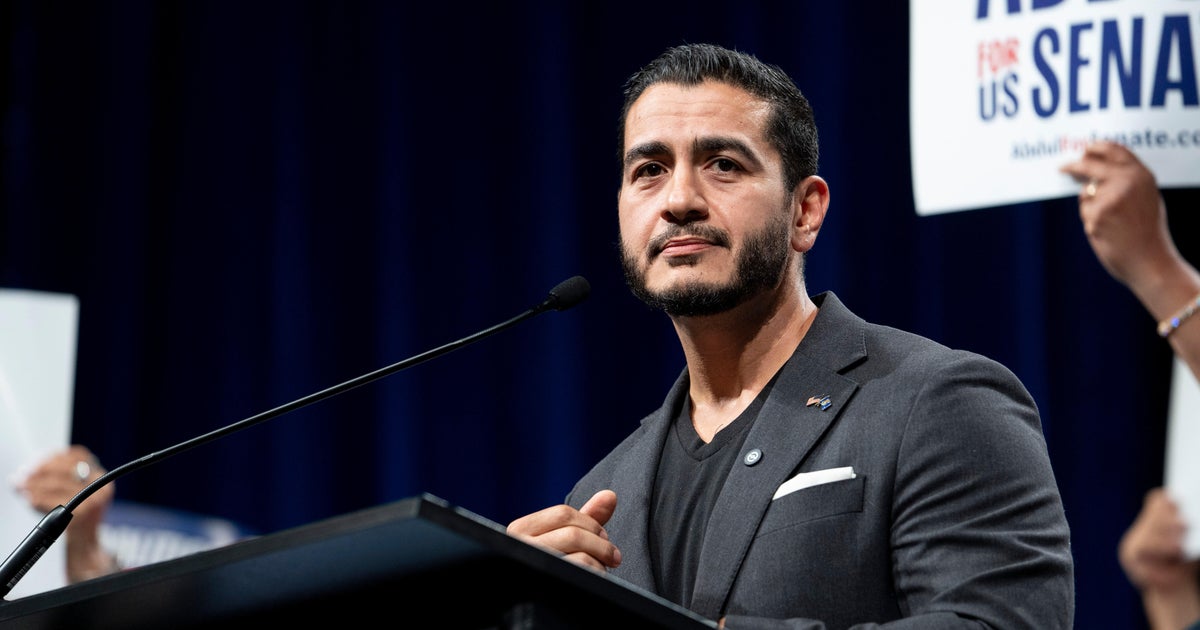
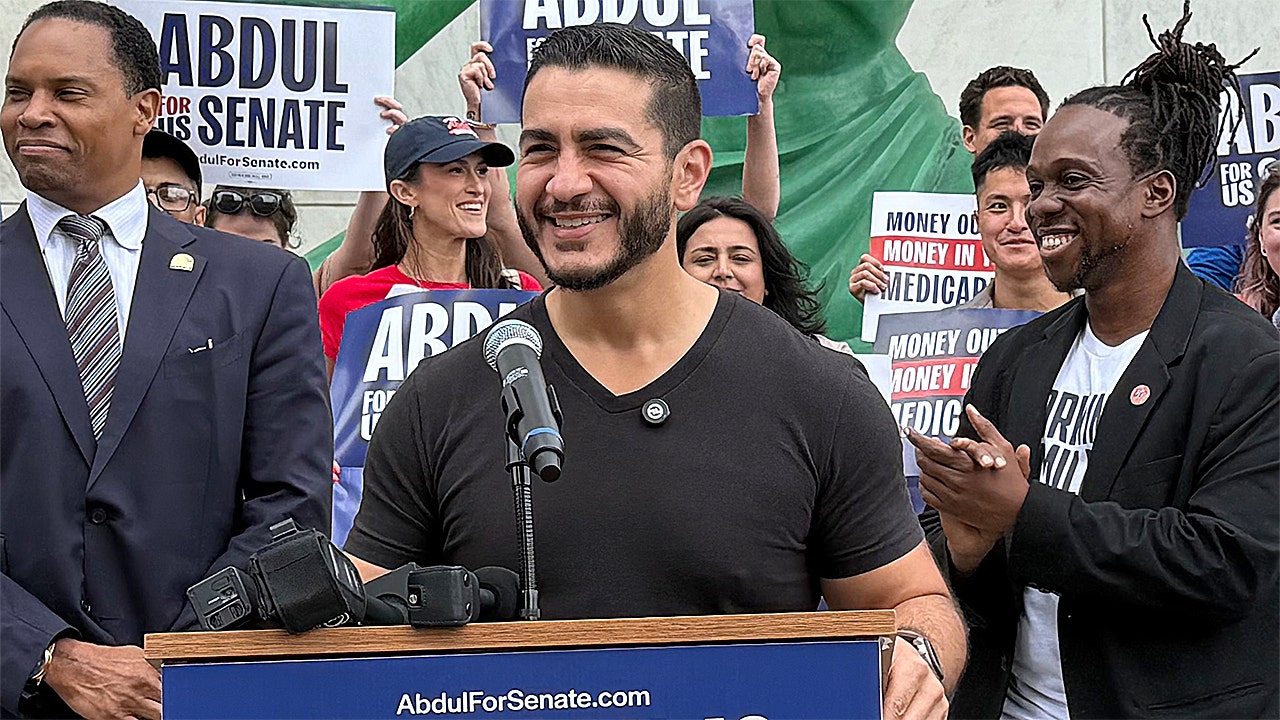
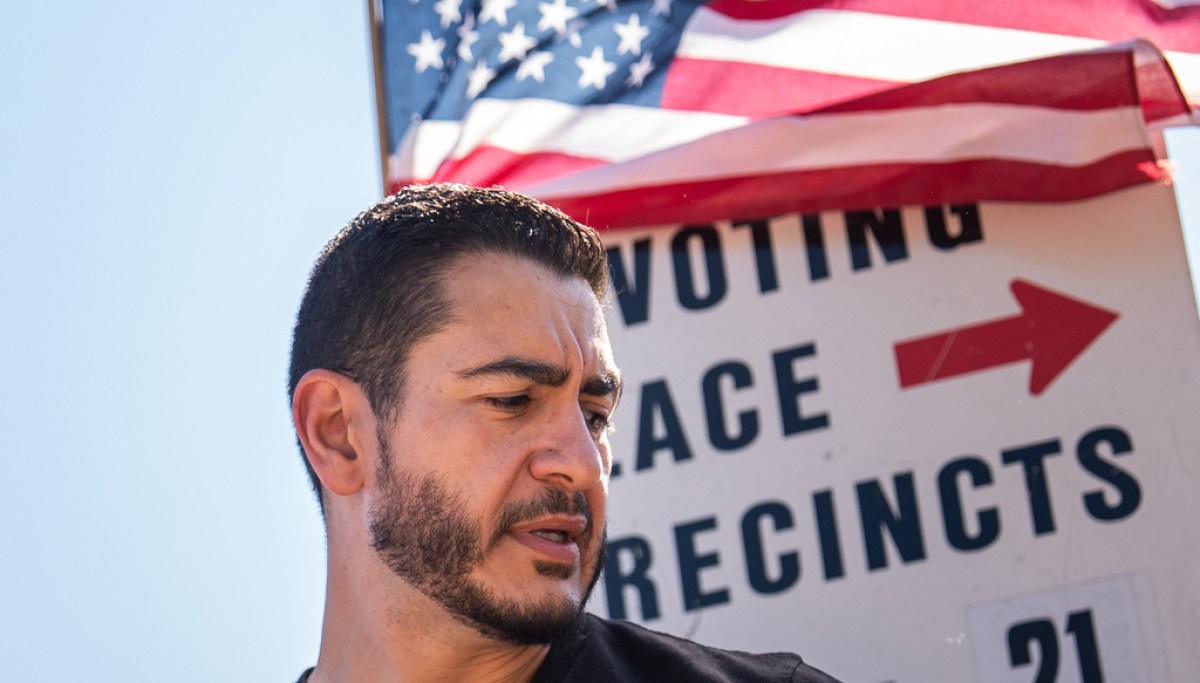
IN A YEAR WHEN DEMOCRATS have the wind at their backs and a shot at winning even in Texas, primary voters in Michigan have chosen a Senate candidate in Abdul El-Sayed who needlessly alienates many voters.
asserted
who → have → voters
But of all the Republican politicians to criticize El-Sayed, JD Vance may be the least well suited, because when it comes to tolerance for extremism and antisemitism, Vance and El-Sayed are almost equally matched players in a dangerous, illiberal game.
uncertain
Vance → criticize → game
It’s a mark of how far our guardrails have fallen that leading American political figures are engaging in more or less open race/religion baiting—and each is in high dudgeon that the other is doing it.
El-Sayed has waded into extremist waters a number of times, most prominently when he seemed to downplay the horror of an attempted attack on a Michigan synagogue.
asserted
he → fall → synagogue
On March 12, Ayman Ghazali drove a truck, filled with fireworks and gasoline, into Temple Israel in West Bloomfield.
asserted
Ghazali → drive → Bloomfield
The truck caught fire after it crashed through the doors.
asserted
it → catch → doors
One security guard was struck and injured and more than sixty police and firemen were treated for smoke inhalation.
asserted
police → strike → inhalation
Ghazali committed suicide by shooting himself.
asserted
Ghazali → commit → himself
El-Sayed condemned the attack, but a few days later, noting that relatives of the attacker had died in an Israeli air strike in Lebanon, El-Sayed equivocated, saying “Hurt people hurt people.”
asserted
people → condemn → people
If you think that Israel’s actions in Lebanon justify or excuse in any way an attack on Jewish children in Michigan, you are missing something fundamental about liberal values.
asserted
you → think → values
Would El-Sayed say the same if a Jewish American whose relatives had been killed by Hamas on October 7th attempted to bomb a Muslim school?
asserted
relatives → say → school
In contrast to the MAGA style of politics, El-Sayed has apologized.
asserted
Sayed → apologize → politics
Speaking to Michigan’s Jewish Democratic Caucus on Sunday, he said, “My comments may have been misconstrued to justify something I did not mean to justify.
uncertain
I → speak → something
To anyone who feels like my comments might have been hurtful, I’m really sorry.
uncertain
I → feel → anyone
Is he apologizing for the fact that others “misconstrued” his remarks?
asserted
others → apologize → remarks
That is pretty weak tea as apologies go, but it’s better than Vance’s record, which we’ll come to soon.
asserted
we → go → which
El-Sayed has a history of associating himself and his campaign with people who clearly cross the line, and has not apologized for doing so.
asserted
who → have → line
What prompted him to invite Hasan Piker to campaign with him?
asserted
What → prompt → him
He thinks Communist China and Cuba are great role models, excused Hamas for raping Israeli women, and invited a Vietnamese refugee who recounted her suffering to “Suck my dick old lady.”
asserted
who → think → dick
He calls critics “rabid, ultra-Zionist pigs,” and lately has lapsed into the more-in-sorrow-than-in-anger mode of warning American Jews that if they “keep putting this idea out there that they are singularly invested in Israel, eventually someone is going to come around and take action—not against the state of Israel, mind you, but against American Jews.”
asserted
someone → call → Jews
That last one, in addition to holding Jews responsible for how others perceive them, is an invitation to antisemitic violence notionally veiled in concern.
asserted
others → hold → concern
How would Piker react if someone were to warn that if Muslim Americans didn’t stop supporting the Palestinians, “someone is going to come around and take action”?
asserted
someone → react → action
El-Sayed isn’t responsible for everything his supporters say, but Piker is a hateful extremist whose support El-Sayed sought—and he isn’t the only one.
asserted
he → say → support
El-Sayed also campaigned with Amir Makled, a progressive who has a history of pro-Hezbollah posts, and who has recirculated antisemitic memes—ironically, from rightwing figures Marjorie Taylor Greene and Candace Owens.
asserted
who → campaign → figures
Makled reposted a message from Owens calling Israelis “demons” who “lie, cheat, murder, and blackmail.”
asserted
who → reposte → Israelis
People often ask whether all criticism of Israel can be tarred as antisemitism.
asserted
criticism → ask → antisemitism
Israel merits condemnation for its unjust actions, as any nation does, and anyone who attempts to paint all criticism as antisemitism is doing no favors to Jews or to the truth.
asserted
who → merit → truth
But when someone seems obsessed about Israel’s sins but unbothered by those of China, Sudan, Hamas, Russia, or countless others, or when someone invites or excuses violence against American Jews, that clearly crosses the line.
asserted
that → seem → line
WOULD THAT THERE WERE a responsible opposition to the Michigan Democrats who could, with integrity, rebuke El-Sayed.
uncertain
who → be → Sayed
Alas, we have JD Vance.
asserted
we → have → Vance
“I realize that there’s something about Abdul El-Sayed that is very, very evil and on the rise in the United States of America today,” Vance said last week.
asserted
Vance → realize → America
He’s one to talk.
asserted
He → ’ → ?
The company Vance keeps includes Tucker Carlson, whose obsession with Israel and Jews has become pathological.
asserted
obsession → keep → Israel
Even after Carlson’s softball interviews with white nationalist antisemite Nick Fuentes (who also feuds with Vance, but that’s a topic for another day) and Holocaust denier Darryl Cooper, whom Carlson praised as “the best and most honest popular historian in the United States,” Vance refused to distance himself from Carlson.
asserted
Vance → feud → Carlson
Given the opportunity to do so at a White House press briefing Thursday, he demurred: “I’m not going to play the game where I throw friends under the bus because I have political disagreements with them.
asserted
I → give → them
I think that is a terrible place for the U.S. to go.”
asserted
U.S. → think → ?
Vance sees pas d’ennemis à droite.
asserted
Vance → see → droite
So in October, when a bunch of Republican operatives were discovered to have exchanged texts calling black people “monkeys” and “watermelon people” and pronouncing “I love Hitler!”
asserted
I → discover → Hitler
Appearing on the Charlie Kirk podcast, Vance explained that:
The reality is that kids do stupid things, especially young boys.
asserted
kids → appear → things
They tell edgy, offensive jokes.
asserted
They → tell → jokes
That’s what kids do.
asserted
kids → ’ → what
…and 18 more, not listed.
 The Aporia