The Department of the Interior implemented a massive expansion of fishing and hunting access in the United States, opening 1,488 opportunities across 32 states.
asserted
Department → implement → states
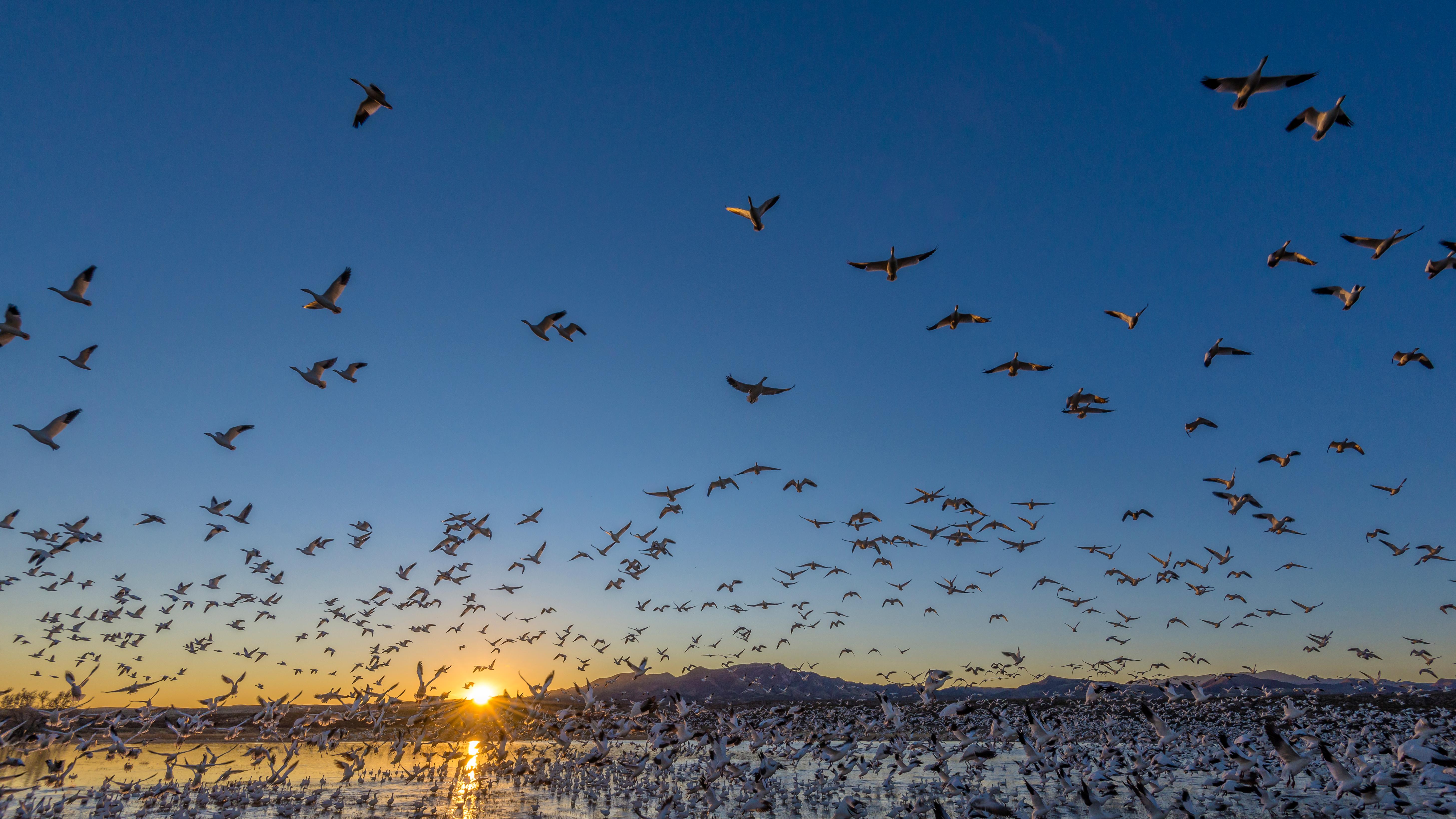
Expanded hunting and fishing are now allowed in areas where the practices were never before legal, including Rocky Flats National Wildlife Refuge in Colorado and Stewart Lake National Wildlife Refuge in North Dakota.
asserted
practices → allow → Dakota
The rule also permits hunting and fishing for additional species and expands some seasons at locations where those activities were already allowed.
asserted
activities → permit → locations
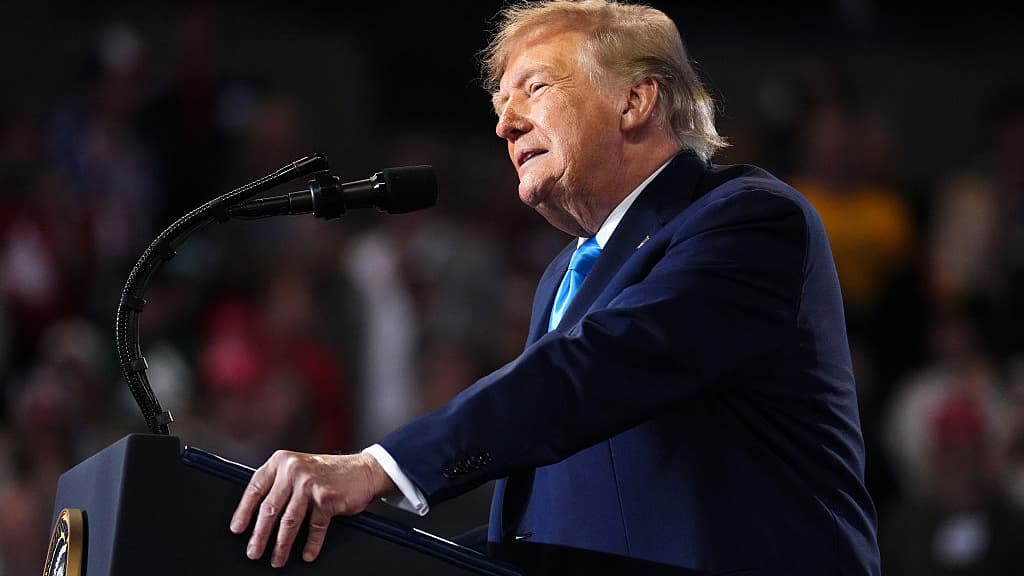
“America’s hunters and anglers now have something significant to look forward to in the fall,” said Interior Secretary Doug Burgum in the press release announcing the rule Aug. 13.
asserted
Burgum → have → rule
“We are also promoting good government by reducing the regulatory burden and working with states to facilitate these outdoor activities.”
asserted
We → promote → activities
The U.S. Fish and Wildlife Service (FWS) oversees more than 570 national wildlife refuges that were “established to serve a statutory purpose that targets the conservation of native species dependent on its lands and water,” according to the agency’s website.
uncertain
that → oversee → website
Christopher Williams, a professor of wildlife ecology at the University of Delaware, says the refuges were initially created to protect wildlife and then later helped to combat “extreme market hunting,” or unregulated hunting of animals.
asserted
refuges → say → animals
They became safe habitats and breeding sanctuaries for endangered species under the 1966 Endangered Species Preservation Act.
asserted
They → become → Act
Now, hunting and other forms of recreation are permitted across a majority of those refuges when “compatible with each station’s purpose and mission under federal law,” per FWS.
asserted
hunting → permit → FWS
The very definition of a refuge seems to have “slowly morphed into an entity that was meant to provide an opportunity for hunting access,” Williams says.
asserted
Williams → seem → access
The new rule raises a question of compatibility: How can the refuges fulfill their conservation mandate amid the nation’s largest-ever expansion of hunting and fishing?
asserted
refuges → raise → hunting
Does hunting undermine the purpose of a wildlife refuge?
asserted
hunting → undermine → refuge
The FWS said this week’s expansion is about “maximizing access where compatible with conservation goals.”
asserted
expansion → say → goals
It also said that the new rule will help revitalize rural economies, as hunters and anglers contribute more than $144 billion annually to the U.S. economy.
asserted
hunters → say → economy
Sporting groups touted the “historic expansion” and its potential ability to help retain hunters and fishers at these refuges, which may rely on them for curbing overabundant and invasive species.
uncertain
which → tout → species
Williams says it makes sense that conservation groups support the expansion, since hunters and anglers play an “enormously important role in American wildlife conservation.”
asserted
hunters → say → conservation
“And with long-term concerns about declining hunting participation, providing meaningful access remains an important part of recruitment, retention, and reactivation efforts,” he says.
asserted
he → decline → efforts
“BHA applauds all efforts to responsibly expand and improve public access for hunters and anglers and appreciates the Administration’s recognition of the important role sportsmen and women play in the conservation and stewardship of public lands and waters,” Backcountry Hunters & Anglers said in a statement when the expansion was proposed in May.
uncertain
expansion → applaud → May
This was not the first time the Trump Administration proposed such an expansion.
asserted
Administration → propose → expansion
A version of the rule from 2020 opened some 859 opportunities across 2.3 million acres.
asserted
version → open → acres
The new rule also makes more than 1,000 modifications to existing federal regulations that previously guided access to the refuges, including simplifications and deletions.
asserted
that → make → simplifications
The Trump Administration has said the sweeping revisions aim to make it easier to understand and enforce guidelines from state to state.
asserted
it → say → state
But some conservationists have concerns about how the abrupt elimination of that many regulatory mandates, all at once, will affect the refuges.
asserted
elimination → have → refuges
Robert Fischman, professor of environmental law at Indiana University Maurer School of Law, says that such a dramatic overhaul is worth noting.
asserted
overhaul → say → Law
“I mean, 1,000 rules sounds pretty important,” he tells TIME.
asserted
he → mean → TIME
The new rule reverses restrictions on lead ammunition
asserted
rule → reverse → ammunition
One significant change that comes with the new rule is a reversal on lead ammunition and tackle.
asserted
that → come → ammunition
Following a lawsuit in 2021, the government said it would phase out the potentially harmful materials and require hunters and anglers to switch to non-toxic alternatives.
asserted
it → follow → alternatives
The Center for Biological Diversity sued FWS after it proposed an expansion on hunting opportunities during Trump’s first term.
asserted
it → sue → term
The lawsuit argued that the expansion could jeopardize protected species, which are susceptible to ingesting the lead ammunition and tackle.
uncertain
which → argue → ammunition
It also claimed that there would be residual harm to the greater ecosystem, as lead ammunition and tackle can contaminate fields and waterways.
asserted
ammunition → claim → fields
The lawsuit was settled under the Biden Administration in 2022, with FWS saying it would phase out the use of lead ammunition and tackle at several refuges across the country.
asserted
it → settle → country
Aaron Bloom, a senior attorney with nonprofit Earthjustice's Biodiversity Defense Program, said the phase-out was supposed to go into effect across eight refuges in September 2026.
asserted
out → say → September
But with the new rule, the phase-outs will no longer take effect.
asserted
outs → take → effect
In response to the reversal, Bloom says Earthjustice will be looking at litigation—as will other environmentalist groups.
asserted
groups → say → litigation
These phase-outs would have “protected both wildlife and human health, hunters and their families, from the adverse impacts of lead poisoning,” Bloom tells TIME.
asserted
Bloom → protect → TIME
“There's absolutely no reason we should be allowing them in our wildlife refuges.”
asserted
we → be → refuges
Recent staffing cuts raise concerns about oversight
FWS staffing decreased by approximately 18% between April 2024 and May 2025, according to agency records obtained by the Center for Biological Diversity.
uncertain
staffing → raise → Diversity
The decline can be attributed in part to the “workforce optimization initiative” implemented by the Department of Government Efficiency at the beginning of 2025.
asserted
decline → attribute → 2025
Fischman and Williams both express concern about the staffing cuts and how they will impact oversight amid expanded hunting and fishing access.
asserted
they → express → access
…and 9 more, not listed.
 The Aporia