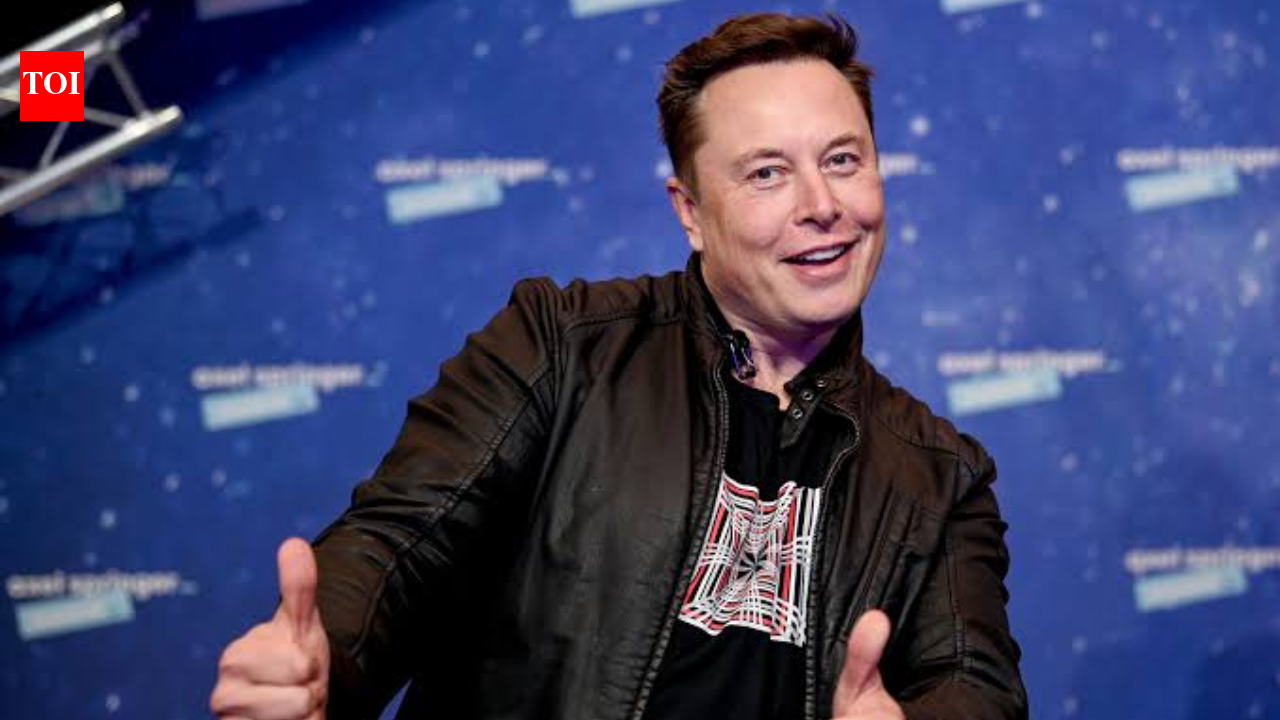
Elon Musk discussed Tesla's meeting culture during an event in 2015, encouraging employees to leave meetings if they aren't contributing or benefiting from them. In a memo and email from 2018, Musk reiterated his stance, advising that excessive and frequent meetings should be minimized unless absolutely necessary for urgent matters. He emphasized the importance of efficient communication within the company, suggesting that messages should follow the shortest path to completion rather than adhering strictly to management hierarchies.
Written locally by qwen2.5:14b on 2026-09-26,
using this article's own text rather than the other coverage of the
same event (that is the story summary below).
For many employees, leaving a meeting before it ends can feel awkward.
asserted
it → leave → meeting
Even when the discussion has little to do with their work, people often stay until the meeting is officially over because walking out may appear disrespectful.
uncertain
walking → have → work
Elon Musk once described a very different approach.
asserted
Musk → describe → approach
During a conversation at the 2015 Edison Electric Institute (EEI) Annual Convention in New Orleans, Musk spoke with Edison International Chairman, Ted Craver about Tesla, electric vehicles and the changing energy industry.
asserted
Musk → speak → Tesla
Musk discussed Tesla's approach to meetings and said that employees who had nothing to contribute could leave.
uncertain
who → discuss → nothing
“We also have a rule that if somebody's in a meeting and finds that this meeting is not helping them in a meaningful way and they are not contributing to the meeting, they should just leave,” Musk said.
asserted
Musk → have → meeting
He then gave a very direct instruction: “Just get up and pack.
asserted
He → give → instruction
Craver asked whether doing that would be considered rude in Tesla's workplace culture.
asserted
doing → ask → culture
“And would that be, in your culture, would it be rude to do that?”
asserted
it → do → that
“No, that's expected,” said Musk.
asserted
Musk → expect → ?
Then he added: “It's rude to stay.”
asserted
It → add → ?
During the same conversation, Musk explained the reasoning further.
asserted
Musk → explain → reasoning
If someone was simply looking at their phone or laptop during a meeting, he said, they could do that at their desk instead.
uncertain
they → look → desk
He also described meetings as “a big time suck.”
asserted
He → describe → suck
Musk later put the same idea in a Tesla memo
Musk wrote.
asserted
Musk → put → memo
“Meeting frequency should drop rapidly once the urgent matter is resolved.”
asserted
matter → drop → ?
Musk returned to the subject three years later in an email to Tesla employees.
asserted
Musk → return → employees
The April 2018 message came as Tesla was working to increase Model 3 production, and Musk included a section of recommendations on productivity.
asserted
Musk → come → productivity
The email resurfaced after an X user shared it in an X post to which Musk replied in an affirmative yes.
asserted
Musk → resurface → affirmative
His first recommendation concerned large meetings.
asserted
recommendation → concern → meetings
“Excessive meetings are the blight of big companies and almost always get worse over time,” Musk wrote.
asserted
Musk → get → time
He advised employees to get rid of large meetings unless they were certain that the meetings were providing value to everyone attending.
asserted
meetings → advise → everyone
If such a meeting was necessary, he said it should be kept very short.
asserted
it → say → ?
He also addressed meetings that happen repeatedly.
asserted
that → address → meetings
“Also get rid of frequent meetings, unless you are dealing with an extremely urgent matter,” Musk wrote.
asserted
Musk → rid → matter
“Meeting frequency should drop rapidly once the urgent matter is resolved.”
asserted
matter → drop → ?
His advice went beyond meetings
The email resurfaced after an X user shared it in an X post to which Musk replied in an affirmative yes.
asserted
Musk → go → affirmative
The 2018 email also addressed how Tesla employees communicated with one another.
asserted
employees → address → one
Musk told employees that communication should take the shortest route necessary to get a job done rather than automatically moving through a management hierarchy.
asserted
job → tell → hierarchy
“Communication should travel via the shortest path necessary to get the job done, not through the ‘chain of command,’” he wrote.
asserted
he → travel → command
He also warned against using internal acronyms and terminology that required employees to learn additional vocabulary simply to understand their colleagues.
asserted
that → warn → colleagues
“Don't use acronyms or nonsense words for objects, software, or processes at Tesla,” Musk wrote.
asserted
Musk → use → Tesla
“In general, anything that requires an explanation inhibits communication.”
asserted
that → require → communication
He explained the reason in practical terms, “We don't want people to have to memorize a glossary just to function at Tesla.”
asserted
people → explain → Tesla
 The Aporia