Toronto Star
· collected 2026-09-26 · by Anton L. Delgado The Associated Press
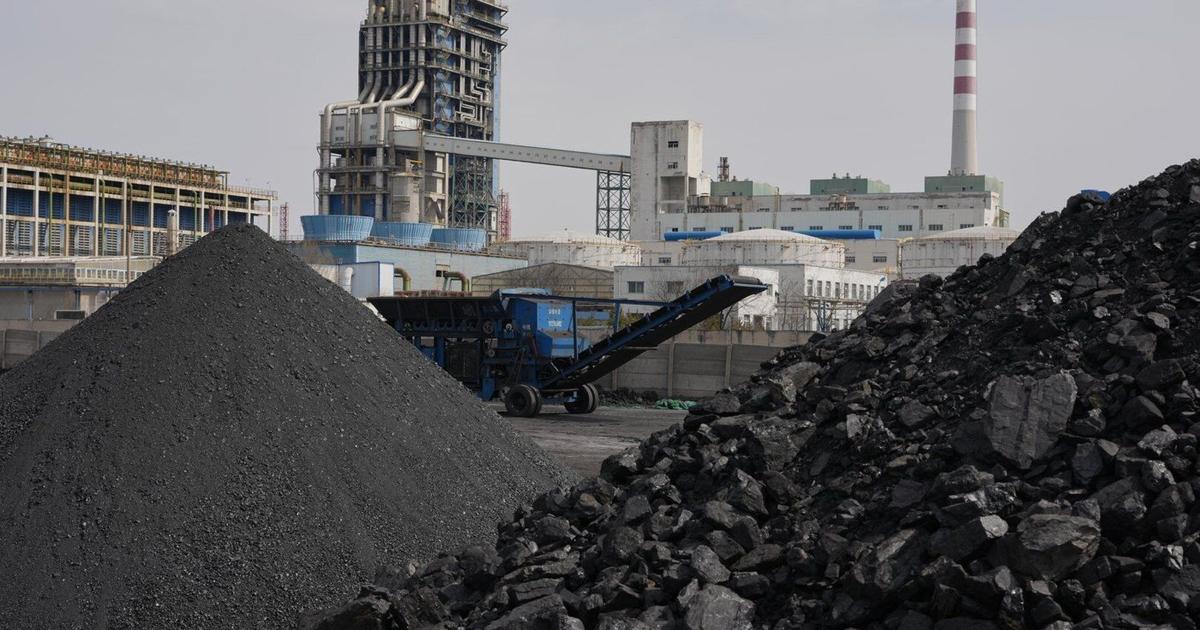
Addressing the U.N. General Assembly in 2021, Chinese President Xi Jinping pledged to stop funding overseas coal power plants in an effort to help curb climate change.
asserted
Jinping → address → change
Five years later, as the assembly meets this week, the world’s climate commitments are dangerously offtrack, and the phase down of coal is inching along.
asserted
phase → meet → coal
So far, China has canceled the majority of the coal plans it had planned in 2021, according to a new report released this week to align with the General Assembly and New York Climate Week.
uncertain
it → cancel → Assembly
This is a small bright spot in global efforts to counter climate change, which has driven deadly disasters in Asia in recent months.
asserted
which → counter → months
But experts have warned that Chinese companies are taking advantage of regulatory loopholes to skirt Xi’s promise and continue investing in overseas coal.
asserted
companies → warn → coal
As a key infrastructure funder in the Global South, and as the global leader in electric vehicle, solar panel and wind turbine manufacturing, China is setting the tone for the transition to renewable energy across Asia and Africa.
asserted
China → set → Asia
That’s why experts have stressed the importance of Beijing’s commitment to its 2021 pledge.
asserted
experts → ’ → pledge
Xi skipped the U.N. meeting this week, in favor of a summit with U.S. President Donald Trump, and sent Chinese Vice President Han Zheng to New York instead.
asserted
Xi → skip → York
Han addresses the General Assembly on Saturday.
asserted
Han → address → Saturday
Back in 2021, the U.N. climate agency optimistically declared that coal was “consigned to history” after nearly 200 countries agreed to phase down the fossil fuel.
asserted
countries → declare → fuel
But after two energy shocks from the Russia-Ukraine War and the Iran war, the need for “energy security” is altering the future of coal in hard-hit regions, like Southeast Asia.
asserted
need → alter → Asia
The energy-hungry region is often referred to as “China’s backyard” and is a major recipient of Chinese funds.
asserted
region → refer → funds
The diverse region, which accounts for a fifth of the world’s growing energy demand, depended heavily on fossil fuel imports from the Middle East.
asserted
which → account → East
The closure of the Strait of Hormuz hit Southeast Asia first and hardest, sending governments into a state of energy triage.
asserted
closure → hit → triage
Multiple nations have ramped up coal use to survive the crisis, which has also signaled to governments the need for renewable energy.
asserted
which → ramp → energy
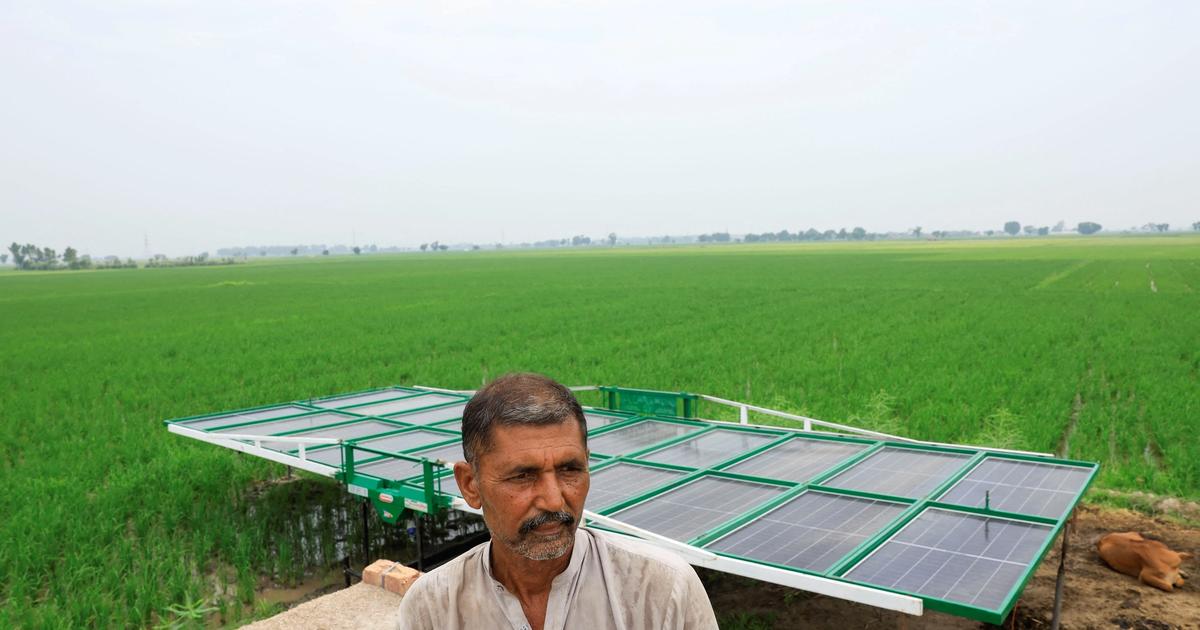
Regional nations are investing in rooftop solar, incentivizing electric vehicles and exploring nuclear power.
asserted
nations → invest → power
While renewable energy is expanding quickly, coal remains indispensable in Asia.
asserted
coal → expand → Asia
“The growing desire among countries in Southeast Asia to secure reliable energy supplies could bring about another round of coal fever,” said Li Shuo, director of the Asia Society Policy Institute’s China Climate Hub, which “will continue to test the resolve behind the coal moratorium.”
uncertain
which → grow → moratorium
China’s key role in climate and energy
China was the world’s largest overseas coal financier until Xi made his 2021 promise.
asserted
Xi → make → promise
“This marked the first time Beijing was willing to extend its emerging climate ambition beyond its borders,” Li said.
asserted
Li → mark → borders
While China’s coal use is slowly decreasing, it still leads the world in building out new domestic coal infrastructure.
asserted
it → decrease → infrastructure
Coal has been China’s ubiquitous energy source for decades; when China re-opened to the U.S. in 1979, arriving Americans disembarked into cities that smelled heavily of burning coal, whose residue quickly gathered on clothes and skin.
asserted
residue → re → clothes
Now, China dominates the global electric vehicle market and is the world’s largest solar panel and wind turbine producer — consistently setting records for massive rollouts of renewable energy.
asserted
China → dominate → energy
“The rapid expansion of clean energy, both in China and increasingly abroad, since the announcement of the coal moratorium should encourage Beijing to further prioritize renewable energy in its international energy strategy,” Li said.
asserted
Li → encourage → strategy
Canceled coal projects provide climate bright spot
China has cancelled 67% of the coal power capacity it had planned to build overseas in 2021, according to a new report by the Centre for Research on Energy and Clean Air, or CREA, and the People of Asia for Climate Solutions, or PACS.
uncertain
it → cancel → Solutions
By cancelling these projects — totaling 61.5 gigawatts — China avoided 6.4 billion tons of lifetime carbon dioxide emissions, the report estimates.
asserted
report → cancel → emissions
China somewhat delivering on its 2021 pledge is a positive story, said Syahdiva Moezbar, an industry analyst with CREA in the Indonesian capital of Jakarta, but “coal expansion hasn’t stopped because of the nature of the pledge itself, which still allows private Chinese companies to invest overseas.”
asserted
companies → deliver → pledge
Indonesia has seen a boom in coal plants funded by Chinese companies to specifically power heavy industries, like the smelting of nickel and aluminum, without linking to the national power grid.
asserted
Indonesia → see → grid
This is known as “captive coal.”
asserted
This → know → coal
Indonesia takes the top spot for continued Chinese investments, with 17.1 gigawatts of China-backed coal capacity planned.
asserted
Indonesia → take → capacity
Vietnam and Pakistan are a far second and third with less than 4 gigawatts in the works, the report found.
asserted
report → find → works
“When commercial interests take precedence over China’s broader green development commitments and the world’s climate security, the benefits of China’s remarkable clean-energy leadership are undermined,” said Xiaojun Wang, PACS’ executive director, in a statement with the report.
asserted
Wang → take → report
This has been complicated further by the Iran war energy shock which is a harsh wake-up call for Southeast Asia.
asserted
which → complicate → Asia
The Philippines, Thailand, Indonesia and Vietnam all ramped up coal use because of the Iran war.
asserted
Philippines → ramp → war
While global coal demand is plateauing, energy-hungry Southeast Asia has been trending in the opposite direction.
asserted
Asia → plateaue → direction
Southeast Asia accounts for nearly 20% of global energy demand growth through 2035, according to the International Energy Agency, which stated that the “crisis is prompting a reassessment of policy and investment strategies amid a strong prioritization of energy security.”
uncertain
crisis → account → security
The energy transition is “a two-party tango,” said Li of the China Climate Hub, stressing that both China and its partner must be equally committed to phasing down coal.
asserted
China → say → coal
While it’s been five years since the pledge, he said, “this saga is far from over.”
asserted
saga → say → pledge
 The Aporia