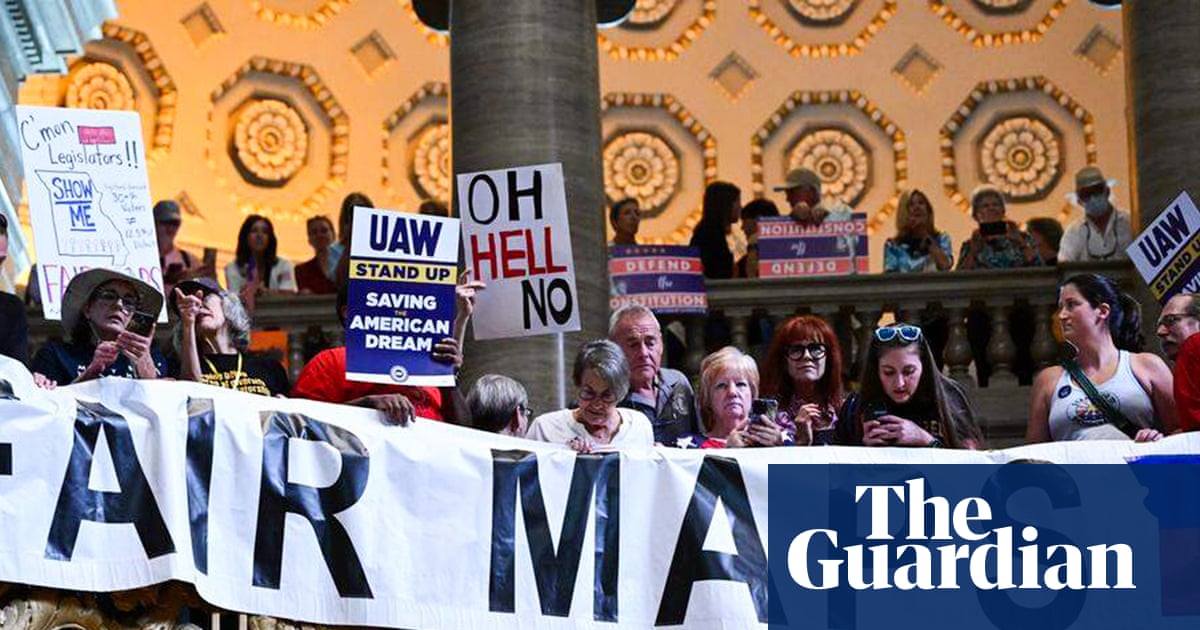
The Supreme Court has ruled against Missouri’s newly drawn congressional map, preventing Republicans from gaining an additional seat by redrawing district lines to favor their party. In 2025, with President Trump's encouragement, Missouri’s GOP-led legislature created a map intended to give Republicans control over seven of the state’s eight seats, compared to the previous 6-2 split. Voters in heavily Democratic areas like Kansas City and St. Louis opposed this change, leading to legal challenges that culminated in the Supreme Court’s decision to uphold the original map for November’s midterm elections.
Written locally by qwen2.5:14b on 2026-10-02,
using this article's own text rather than the other coverage of the
same event (that is the story summary below).
Story summary
A federal appeals court in Missouri ordered on September 18 that the state must use newly drawn Republican-backed congressional districts for November’s midterm elections, despite previous rulings by both the U.S. Supreme Court and the Missouri Supreme Court blocking their implementation. The new map, favored by former President Donald Trump, aims to benefit Republicans by altering district boundaries and splitting existing ones. This decision follows a long-standing legal battle over redistricting in Missouri, which has seen multiple conflicting court orders affecting voter registration and ballots already printed using the old 2022 map. As a result, the case is likely headed back to the U.S. Supreme Court for a final ruling before November's elections.
Written for “Missouri Redistricting Saga” on 2026-10-05,
grounded in this article and the 26 other(s) covering the same event.
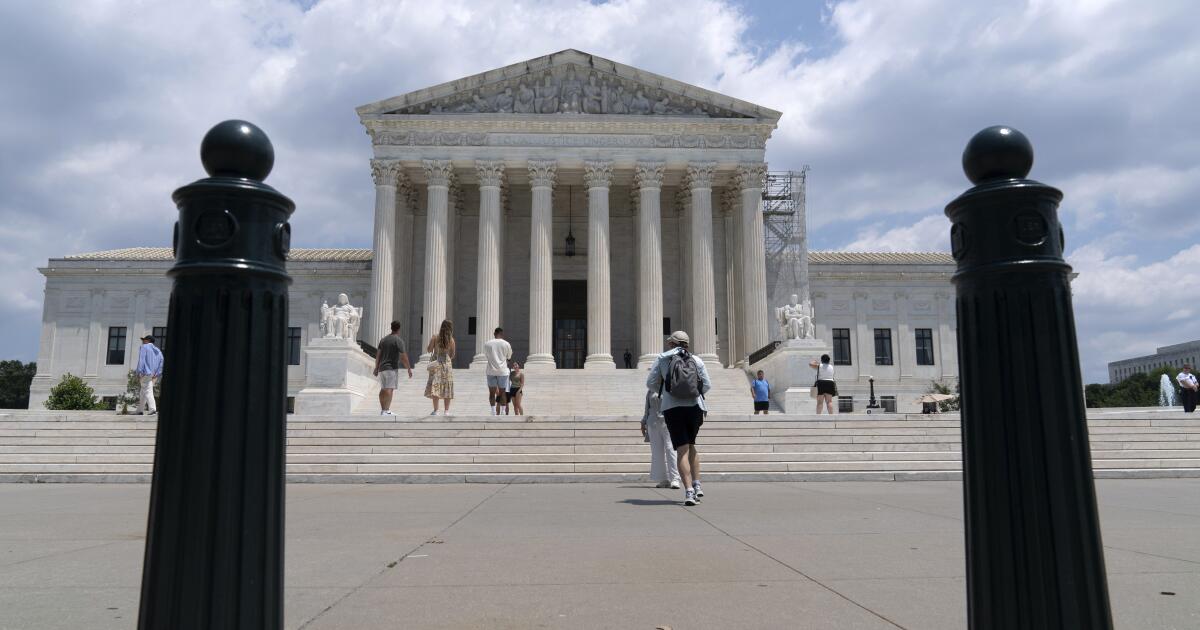
On Friday evening, the Supreme Court released a final opinion—with no noted dissents—that disallows Missouri Republicans’ ultra-gerrymandered congressional map ahead of November’s midterm elections.
asserted
that → release → elections
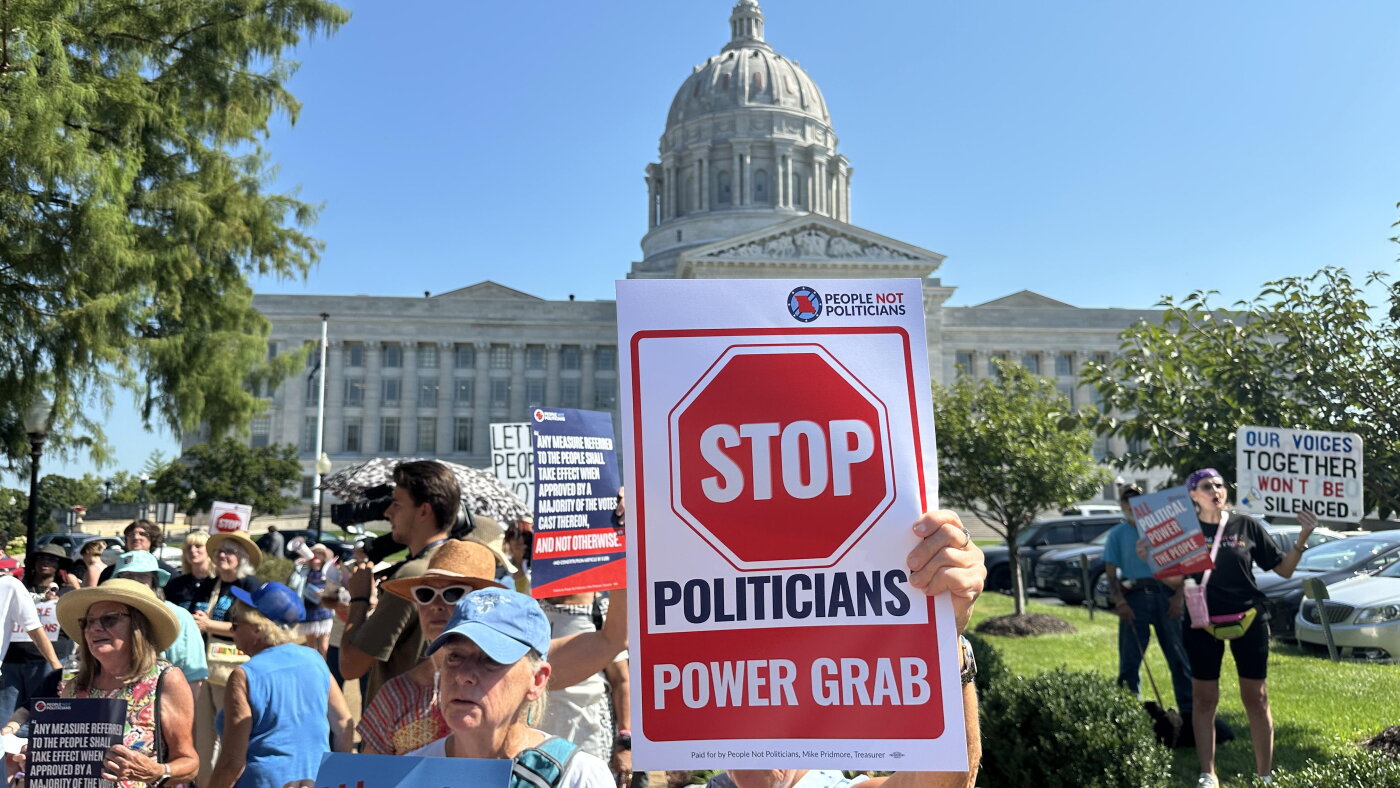
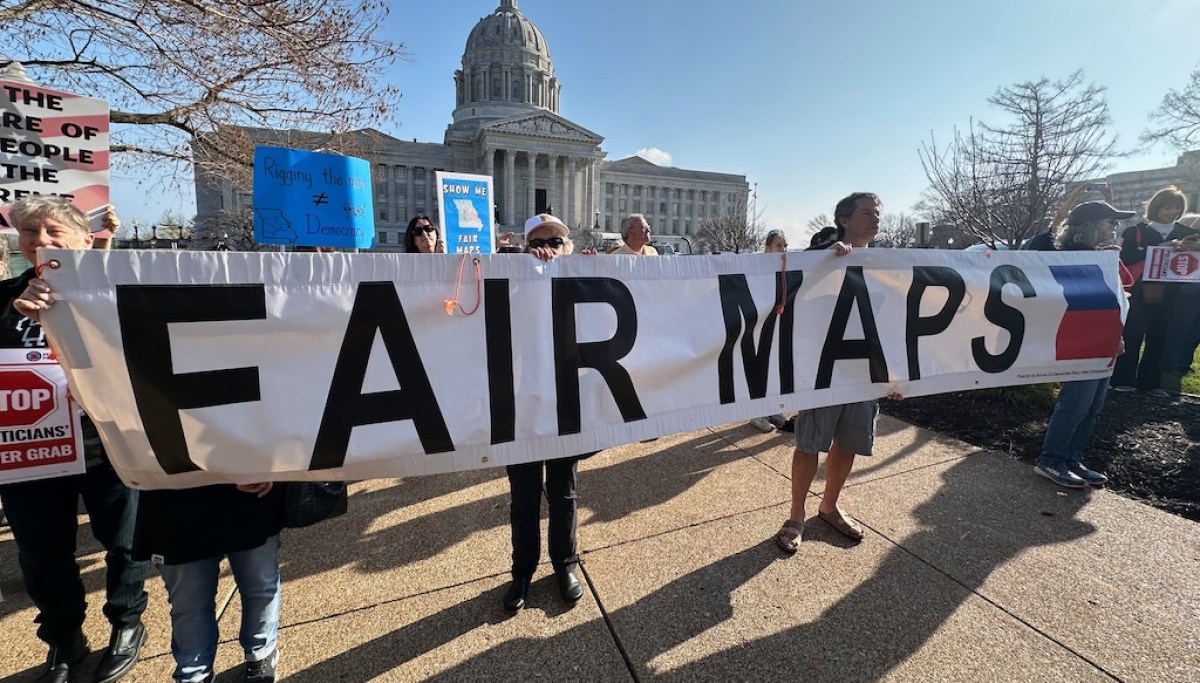
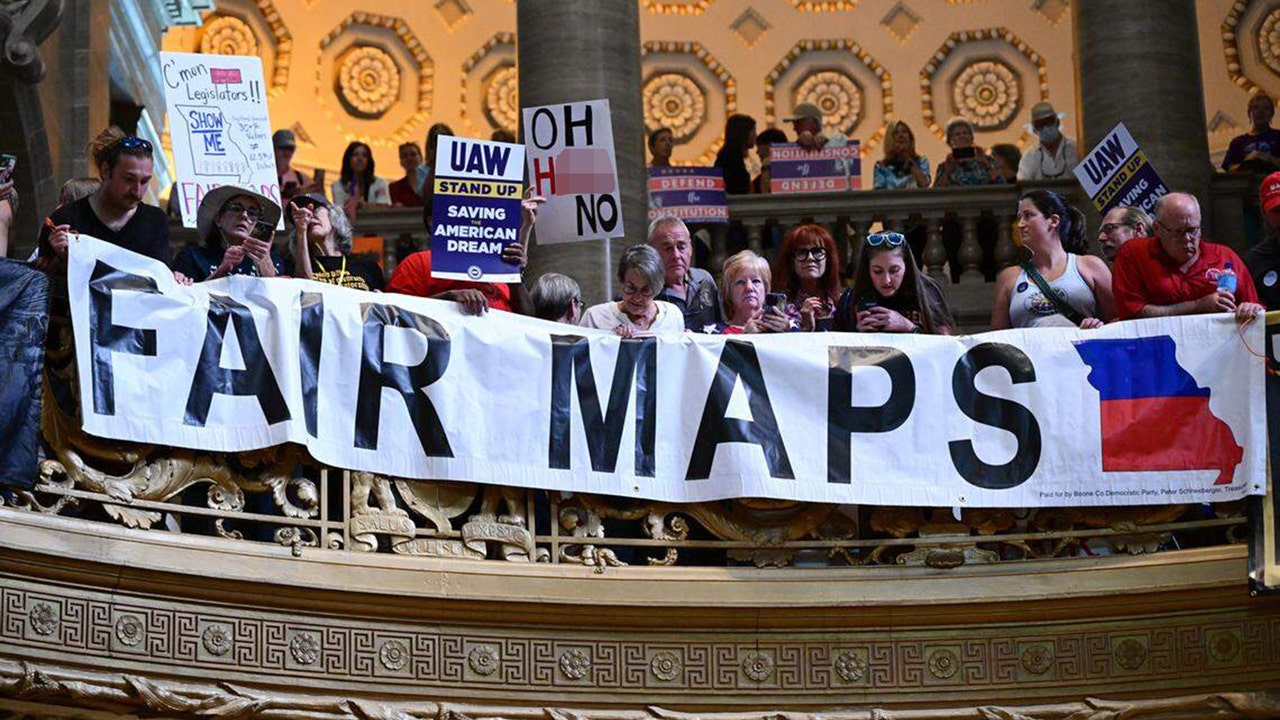
In 2025, at President Donald Trump’s urging, Missouri’s GOP-led legislature redrew its congressional map in an effort to give Republicans an additional seat by slicing up the heavily Democratic Kansas City area into several districts.
asserted
legislature → lead → districts
The new map would have likely allowed Republicans to control seven of the state’s eight seats, as opposed to the prior 6-2 arrangement.
asserted
Republicans → allow → arrangement
A group of Missourians collected the 300,000 signatures necessary to put the new map up for a popular vote in November—a move that, they argued, should stop it from going into effect for the 2026 election.
asserted
they → collect → election
Chaos ensued.
asserted
Chaos → ensue → ?
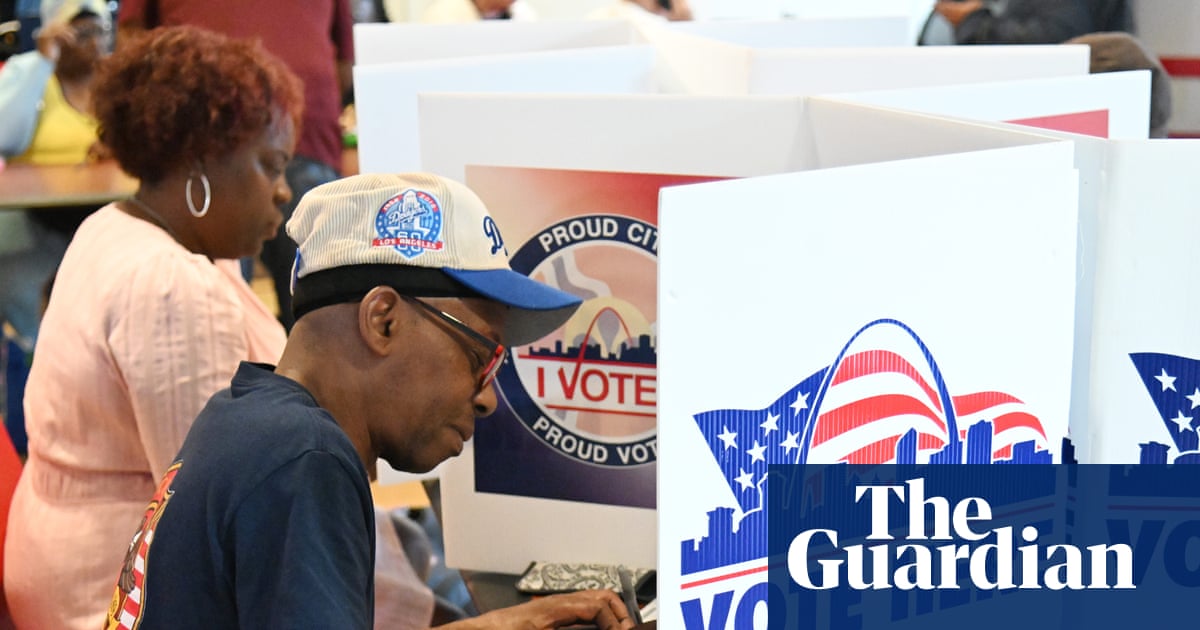
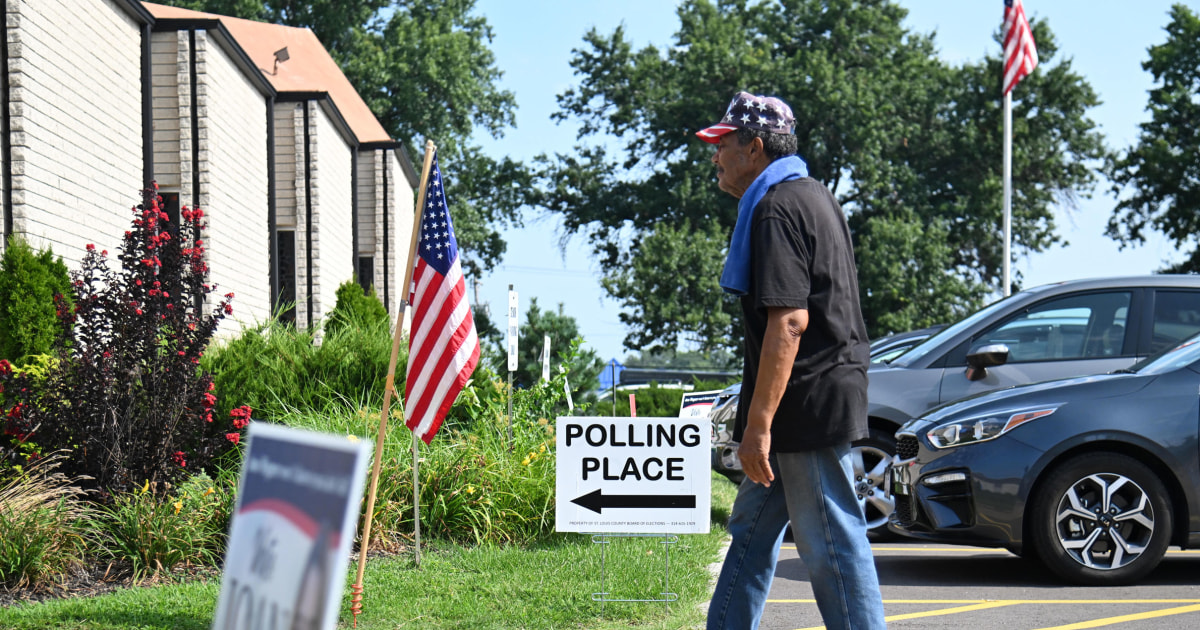
After a lengthy delay, Missouri’s Republican Secretary of State, Denny Hoskins, waited until the day of the states primary elections to declare the referendum invalid, and Missouri conducted those primaries with the new, heavily gerrymandered map.
asserted
Missouri → wait → map
Weeks later, the Missouri Supreme Court ruled that the referendum was indeed valid and barred the state from using the new map in November.
asserted
referendum → rule → November
Hoskins appealed to the Supreme Court on September 4, asking the justices to reinstate the new Republican map.
asserted
Hoskins → appeal → map
Hoskins’ argument was so weak that Justice Brett Kavanaugh, a Trump appointee, promptly denied his appeal; the case didn’t go to the full Supreme Court.
asserted
case → deny → Court
But yet another challenge was brewing.
asserted
challenge → brew → ?
Two Republicans running for Missouri office in November—and two individual voters—went to federal court seeking to keep the redistricted map in place.
asserted
Republicans → run → place
Their argument: the state should use the same map for the general election as it did for the primary.
asserted
it → use → primary
On September 8, District Judge Stephen Clark agreed, issuing a temporary restraining order telling the state to use the newly gerrymandered map in the general election.
asserted
Clark → agree → election
A federal appeals court soon upheld Clark’s ruling.
asserted
court → uphold → ruling
At this point—if you’re keeping track—the Missouri Supreme Court and the US Supreme Court were saying the state should use the 6-2 map, but a federal trial judge and a federal appellate court were telling the state to use the 7-1 map.
asserted
judge → keep → map
The Supreme Court was apparently not amused.
asserted
Court → amuse → ?
On September 10, in an unsigned order, it blocked Clark’s ruling, bringing us back to the older, 6-2 version of the map.
asserted
it → block → map
But the Republican-dominated federal appeals court didn’t give up, moving once again to reinstate the 7-1 map.
asserted
court → dominate → map
The group that collected signatures for a voter referendum back in 2025, People Not Politicians, went back to the Supreme Court Tuesday night, stressing that it was too late to return to the new map, particularly given that absentee and overseas ballots for the November elections have already been mailed out.
asserted
ballots → collect → elections
Now, in a final five-page decision, the Court has not only blocked the Republican map and ordered state officials to use the previous map, from 2022—it has instructed lower courts in exacting detail to quit interfering, sternly warning them against any move that would “require Missouri to use the 2025 map in the 2026 congressional election.”
It’s a stark contrast with the Court’s ruling earlier on Friday in League of Women Voters v. DHS, a 6-3 decision that allowed the Trump administration to use a modified Homeland Security database containing citizenship information to monitor voter rolls.
asserted
administration → block → rolls
The decision may not bode well for other Republican redistricting efforts across the country, which have already stripped Democrats of a number of safe House seats—although Missouri seems to have been uniquely successful in irritating the justices.
“Given this Court’s two prior orders in this litigation,” they wrote, “our conclusion…should come as no surprise.”
uncertain
conclusion → bode → surprise
 The Aporia