Top military officers from a secretive command watched a speedboat cut through the waters of the Caribbean Sea, early last September.
asserted
speedboat → watch → Sea
A plane above provided live video of the vessel and the 11 men on board.
asserted
plane → provide → board
In the early morning hours, Adm. Frank Bradley sought the counsel of his top legal adviser, Col. Cara Hamaguchi.
asserted
Bradley → seek → adviser
Then he ordered SEAL Team 6 operators to attack the packed boat.
asserted
he → order → boat
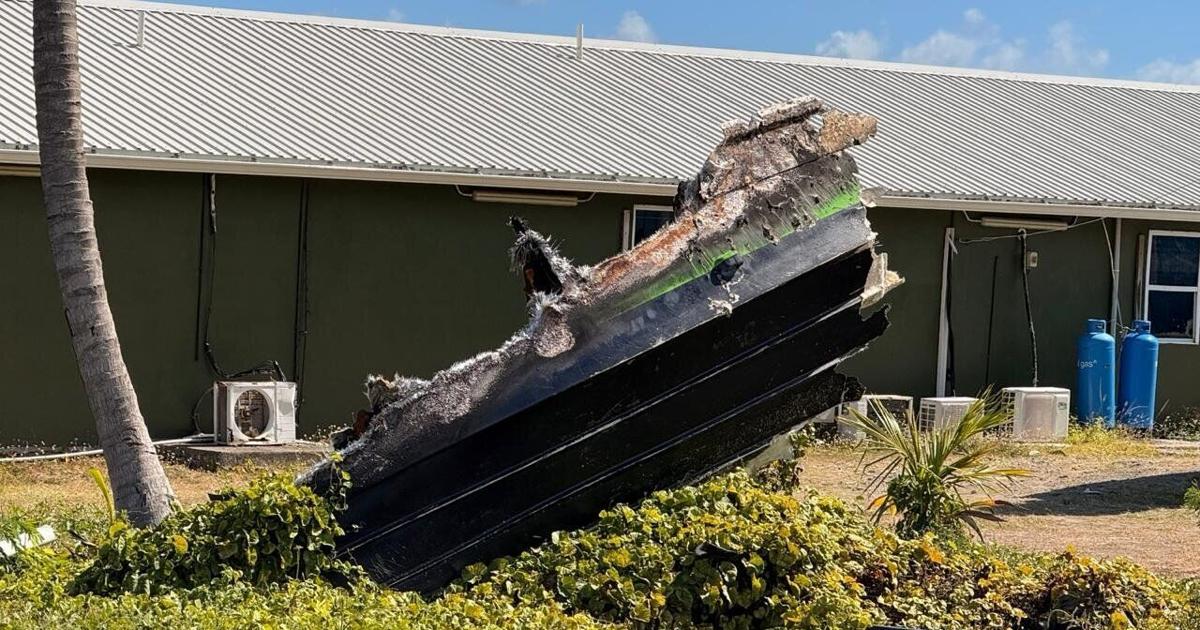
After the vessel exploded, two helpless survivors pulled themselves onto a fragment of the overturned hull, drifting with the current for roughly 45 minutes.
asserted
survivors → explode → minutes
Bradley — then the head of the Joint Special Operations Command and now the four-star chief of Special Operations Command — again turned to Hamaguchi for guidance.
asserted
Bradley → turn → guidance
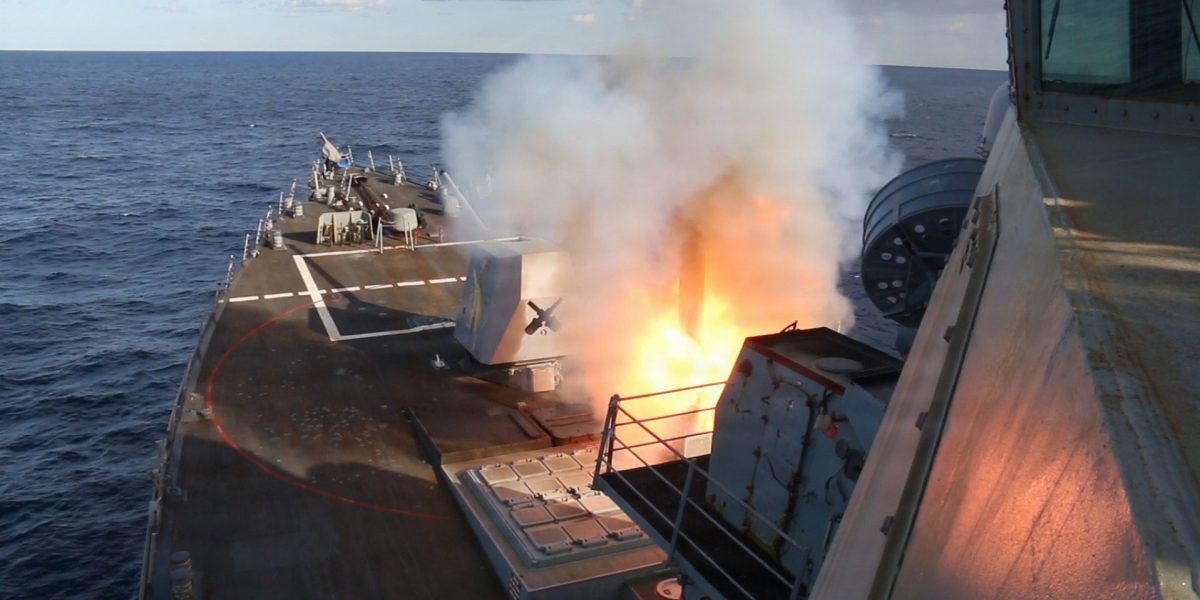
Soon, a second missile screamed down, killing the survivors.
asserted
missile → scream → survivors
Two more missiles followed in rapid succession, sinking the remnants of the boat.
asserted
missiles → follow → boat
That strike, carried out on September 2, 2025, began a campaign of attacks that has never ceased.
asserted
that → carry → attacks
“It’s been a year of murders,” said a defense official who was horrified by the first strike and has remained so as the U.S. has targeted scores of so-called “drug boats” in the year since.
asserted
U.S. → say → year
“The Trump administration has normalized murder.”
asserted
administration → normalize → murder
The official added: “It’s absolutely criminal.”
asserted
It → add → ?
In all, the U.S. has conducted more than 65 attacks, resulting in over 225 civilians killed in the Caribbean Sea and Pacific Ocean in the last year.
asserted
U.S. → conduct → year
The most recent strike, in the Caribbean on August 25, killed four people.
asserted
strike → kill → people
A classified opinion from the Justice Department’s Office of Legal Counsel — drawn up by an interagency lawyers working group including representatives of the CIA, State Department, White House, Department of Justice, and Defense Department — claims that narcotics on supposed drug boats are lawful military targets because they generate revenue for cartels whom the Trump administration claims are engaged in a “non-international armed conflict” with the United States.
uncertain
administration → draw → States
Attached to that secret memo is a similarly secret list of “designated terrorist organizations.”
asserted
list → attach → organizations
A second government official who has reviewed the OLC opinion called it “flimsy yet expansive,” but said the Trump administration had “nonetheless managed to overstep” its bounds.
asserted
administration → review → bounds
The official said that despite being crafted to “excuse what is clearly murder,” the U.S. had killed people beyond those the OLC opinion claimed were legal targets.
asserted
opinion → say → those
U.S. Southern Command pushed back on the allegation.
asserted
Command → push → allegation
“Each operation is planned and executed within the full bounds of our legal framework,” said spokesperson Steven McLoud, “ensuring that every target meets the legal criteria established by our Office of Legal Counsel.”
asserted
target → plan → Counsel
Experts in the laws of war, as well as members of Congress from both parties, say the strikes are illegal, extrajudicial killings because people are deliberately slain outside the law.
asserted
people → say → law
The strikes may also constitute crimes against humanity, violating fundamental rights to life and due process.
uncertain
strikes → constitute → life
They’re obviously not occurring in the context of an armed conflict and outside of armed conflict, the term for premeditated killing is murder,” Brian Finucane, a former State Department lawyer and specialist in counterterrorism issues and the laws of war, told The Intercept.
asserted
Finucane → occur → Intercept
The Intercept broke the story of the September 2 double-tap strikes, within days of the attack.
asserted
Intercept → break → attack
Months later, follow-up reporting by the Washington Post, The Intercept, and others resulted in a public firestorm that forced the Pentagon to admit the survivors were killed while shipwrecked — a clear breach of international law — and provide members of Congress additional briefings and access to classified footage of the attack.
asserted
survivors → result → attack
The Intercept was also the first outlet to report on Hamaguchi’s identity and role in the attack, as well as an admission in a classified briefing by Rear Adm. Brian H. Bennett — a military officer overseeing Special Operations for the Pentagon’s Joint Staff — that some of the 11 people aboard the boat could have been human trafficking victims.
uncertain
some → report → boat
Sen. Tim Kaine, D-Va., who serves on both the Senate Armed Services and Foreign Relations committees, sent a letter to President Donald Trump last month pressing for accountability and referencing The Intercept’s reporting on Bennett’s disclosure.
asserted
who → serve → disclosure
Kaine found, after reviewing highly classified materials, that the “available evidence suggests that the United States has killed individuals who are not involved in narcotrafficking.”
uncertain
who → find → narcotrafficking
Even a year later, much about the attacks and the victims remains unknown.
asserted
much → remain → attacks
“This is probably one of the hardest U.S. campaigns to track — searching an area double the size of the continental U.S. for clues, with limited satellite imagery, few witnesses and little physical aftermath.
asserted
This → track → imagery
The ocean swallows up all the information we would usually rely on,” said Emily Tripp, the executive director of Airwars, a U.K.-based group that monitors conflicts all across the globe.
asserted
that → swallow → globe
“The more than 200 people killed across these waters have a right to be remembered — and their loved ones have a right to know what has happened.
asserted
what → kill → right
Twenty-six of the 227 total killed have been identified by name, according to an Airwars analysis.
uncertain
six → kill → analysis
All are apparently men and, for those whose ages are known, were between 24 and 46 years old.
asserted
ages → know → those
Of 41 victims identified by nationality, 18 were from Venezuela, 13 from Mexico, three from Colombia, three from Ecuador, two from Trinidad and Tobago, and two from Saint Lucia.
asserted
18 → identify → Lucia
Among those identified by a consortium of journalists from Venezuelan outlets were a bus driver, a mototaxi driver, men involved in fishing or the seafood trade, and a futsal player.
asserted
driver → identify → fishing
They hailed from poor communities, and their ties to the drug trade were at the very lowest levels.
asserted
ties → hail → levels
Reporting by The Intercept also found that claims by the White House and Defense Department about the boat strikes stopping the flow of fentanyl and saving more than 1 million American lives are baseless, phony, or both.
uncertain
strikes → find → lives
“The administration is killing for online content and spectacle,” said Finucane, referencing the Trump administration’s use of highly edited snuff-film footage of attacks on social media.
asserted
Finucane → kill → media
At the same time, the Pentagon has consistently withheld basic information about the strikes, the legal justifications for them, the “designated terrorist organizations” being targeted by the campaign, and the victims.
asserted
Pentagon → withhold → campaign
…and 73 more, not listed.
 The Aporia