In 2002, in the run-up to the war in Iraq, President George W. Bush went through a long and elaborate process to secure the approval of Congress for going to war.
asserted
Bush → go → war
On Oct. 10, 2002, the House passed an Authorization for the Use of Military Force by a vote of 296 to 133; the total in favor of going to war included 81 Democrats.
asserted
total → pass → Democrats
The next day, Oct. 11, the Senate voted to authorize the war by a vote of 77 to 23.
asserted
Senate → vote → 77
Support for the authorization included 29 Democrats.
asserted
Support → include → Democrats
When the war went badly — Bush later wrote that “The reality was that I had sent American troops into combat based in large part on intelligence that proved false” — Bush was for a while protected from congressional backlash because he had taken the time to enlist lawmakers’ support for going to war in the first place.
asserted
he → go → place
Later, when the war went very, very badly, the authorizing votes no longer offered Bush any political protection.
asserted
votes → go → protection
(They also bedeviled prominent Democrats like Hillary Clinton for years.)
asserted
They → bedevil → years
But it was not until 2005 that Congress passed a measure that even asked the Bush administration to finish up the war, and it was not until 2007 that both the House and Senate passed a war funding bill that included a mandatory timetable for the withdrawal of U.S. troops from Iraq.
asserted
that → pass → Iraq
Bush vetoed it, and later got war funding without the withdrawal provisions.
asserted
Bush → veto → provisions
Meanwhile, public support for the war plunged.
asserted
support → plunge → war
According to Gallup, 72% of Americans supported the war when it began in March 2003.
uncertain
it → accord → March
By November 2004, it stood at 48%.
asserted
it → stand → %
You know where this is going.
asserted
this → know → ?
But before comparing some of the politics of the Iraq war with the current war in Iran, it’s important to point out some enormous differences.
asserted
it → compare → differences
Bush sent about 150,000 U.S. troops to Iraq, and another 100,000 were in the region during the war.
asserted
100,000 → send → war
A total of 4,492 U.S. service members died in the war, and 32,292 were wounded.
asserted
32,292 → die → war
President Donald Trump has not sent U.S. ground troops to Iraq, choosing to conduct the war by air power.
asserted
Trump → send → power
Although there is some controversy about the exact figures, 19 U.S. service members have died, while more than 800 have been wounded.
asserted
800 → be → figures
Still, because of the way Trump chose to begin the war, the political and public opposition have risen much more quickly than in the case of Iraq.
asserted
opposition → choose → Iraq
Trump did almost nothing to clearly explain to the American public why the war was necessary and what its goals would be, instead announcing the beginning of hostilities in an overnight video.
asserted
goals → do → video
Now, nearly seven months into the war, about 33% of Americans support the war, while about 59% oppose it.
asserted
% → support → it
(The numbers come from polling aggregator Nate Silver.)
asserted
numbers → come → Silver
On the related question of Trump’s handling of the war, the RealClearPolitics average of polls shows 32.6% approve while 62.5% disapprove.
asserted
% → show → polls
Trump also did not seek to enlist the support of Congress before starting the war.
asserted
Trump → seek → war
As a consequence, both the House and Senate have already passed resolutions opposing the war.
asserted
House → pass → war
They’re just resolutions, and they don’t force Trump to do anything, but they do show majorities in both chambers willing to go on the record opposing the war.
The House passed an anti-war resolution in June, another one in July, and one last week.
asserted
House → force → July
No House Democrats voted in favor of the war; between four and seven Republicans voted with Democrats against the war.
asserted
Republicans → vote → war
The Senate passed an anti-war resolution in June.
asserted
Senate → pass → June
Four Republicans joined Democrats in opposing the war; one Democrat, Sen. John Fetterman (D-PA), joined Republicans in supporting the war.
asserted
Democrat → join → war
Of course, elections are coming up in less than six weeks.
asserted
elections → come → weeks
It’s unclear how much of a factor the war will be.
uncertain
war → ’ → factor
We know that voters of all stripes cite the cost of living and other economic issues as their most important issue by far.
asserted
voters → know → issue
But we also know that Democrats are intensely against the war, and a majority of independents oppose it, too.
asserted
majority → know → it
Plus, we know that while many Republicans support the war, they are, like Democrats and independents, very unhappy with the higher prices of gas, diesel, and shipping, as well as related products, like fertilizer, that the war has brought.
asserted
war → know → that
Democrats are furiously framing higher prices as the result of Trump’s war.
asserted
Democrats → frame → war
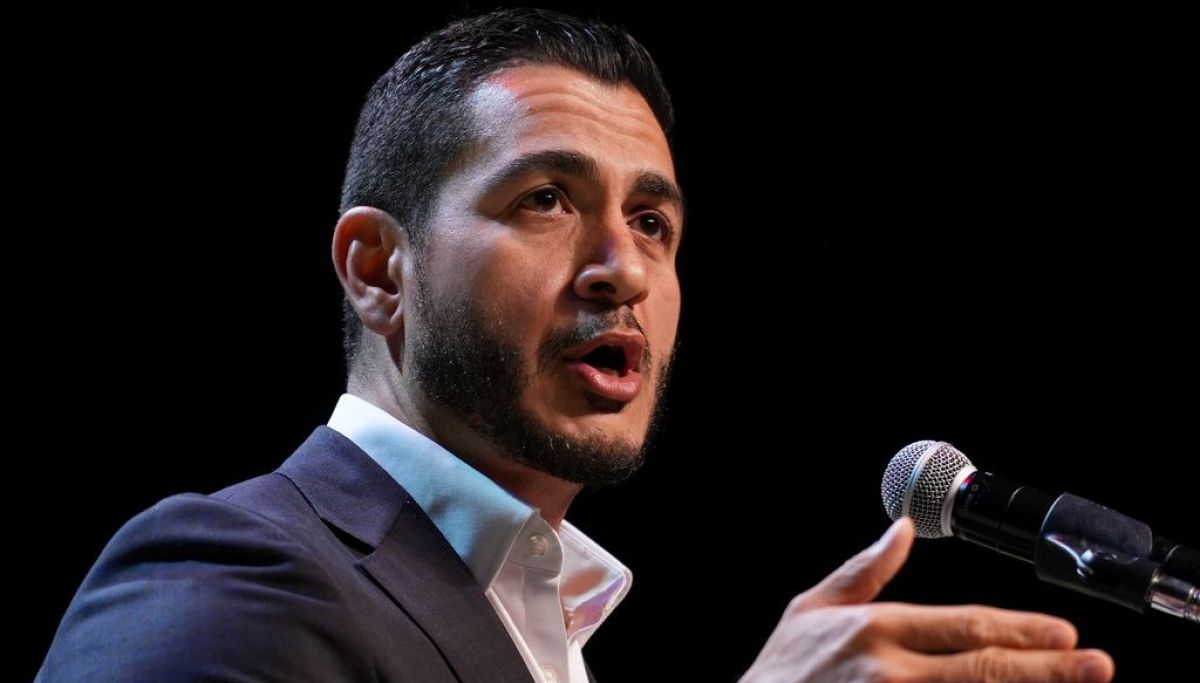
“We’re getting hit at the gas pump to go buy our groceries and then we’re getting hit at the grocery store for the groceries that got there — all because of an insane war that we had no business fighting in the first place,” Michigan Democratic Senate candidate Abdul el Sayed said at a gas station news conference in Detroit this week.
asserted
Sayed → hit → Detroit
The administration knows full well what a mess it is in.
asserted
it → know → mess
On Fox News’s Special Report Wednesday, Treasury Secretary Scott Bessent noted that “core inflation,” that is, the inflation rate not counting the volatile factors of food and energy, is down to what the Federal Reserve deems an acceptable level.
asserted
Reserve → note → what
“Once we’re on the other side of this energy supply shock,” Bessent said, “I actually believe, along with [President Trump], that oil prices will be much lower, because we’ve seen a tremendous amount of supply come on, just in this year.”
asserted
amount → ’re → year
Trump has said several times that higher gas costs are “a very inexpensive price to pay” for achieving the war’s goal of keeping Iran from building a nuclear weapon.
asserted
costs → say → weapon
…and 2 more, not listed.
 The Aporia